

EU-IFAD Launch €4.26M ‘ResilientRemit’ to Boost Rural Climate Resilience via Migrant Finance
The initiative aims to reduce remittance transfer costs and increase financial literacy and digital inclusion, particularly for women and youth.
- Country:
- Spain
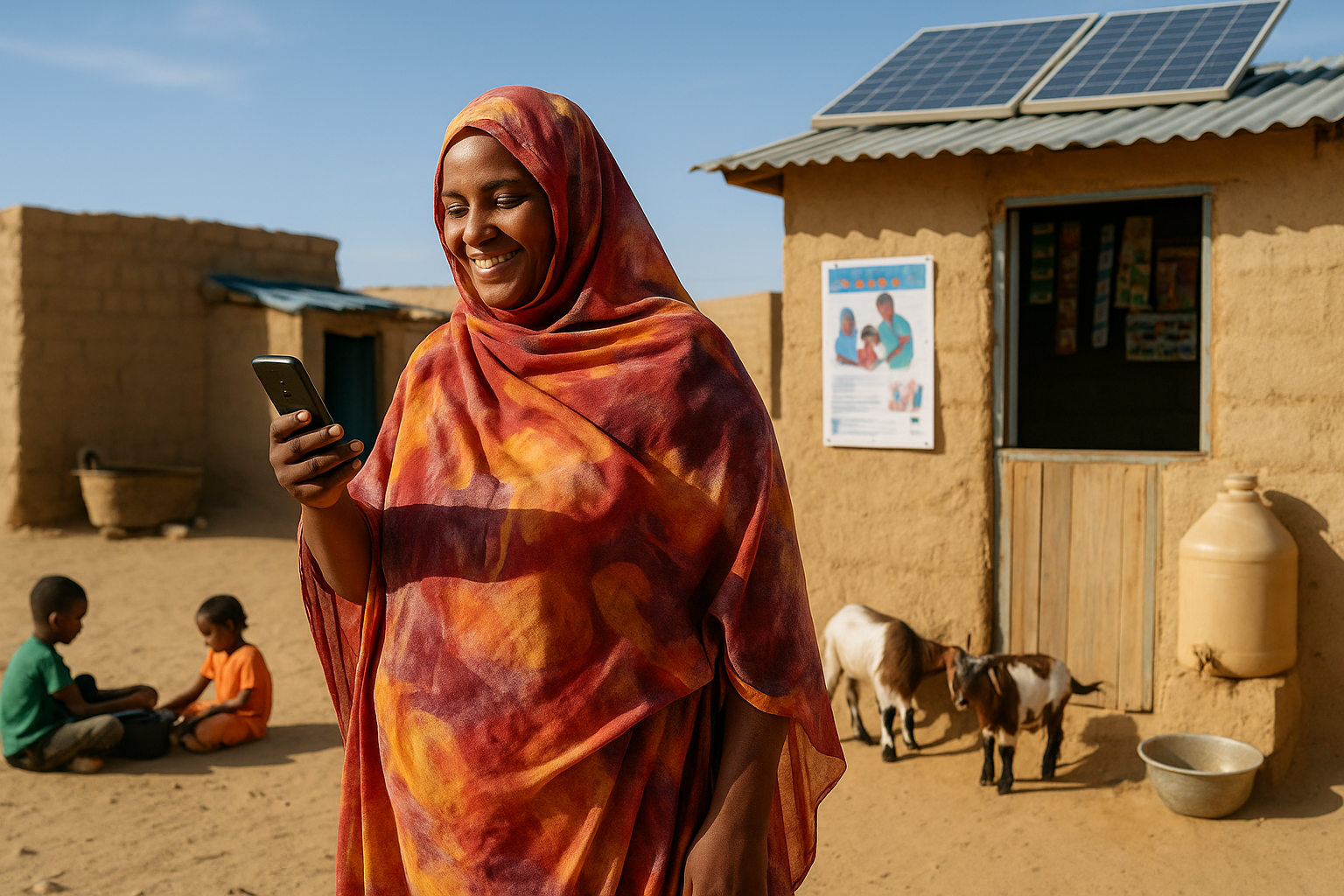
A transformative €4.26 million initiative, ResilientRemit, was officially launched today at the Fourth International Conference on Financing for Development (FfD4) in Seville, Spain. This innovative project—co-funded by the European Union (EU) and implemented by the International Fund for Agricultural Development (IFAD)—targets thousands of rural families in Honduras, Senegal, and Pakistan, equipping them with tools to adapt to climate change and withstand increasing weather-related shocks.
The program aims to channel migrant remittances and diaspora investments into climate resilience strategies by improving access to critical financial services such as savings, credit, insurance, and tailored investment products. This approach places financial inclusion and sustainability at the heart of development finance.
Leveraging Remittances for Rural Transformation
Remittances, long a silent powerhouse in global finance, now take center stage in the climate adaptation narrative. In 2024 alone, remittance flows to low- and middle-income countries (LMICs) reached US$685 billion, surpassing foreign direct investment and tripling official development assistance (ODA). Forecasts predict these flows will total US$4.1 trillion by 2030.
In countries like Senegal and Pakistan, remittances account for over 10% of GDP, while in Honduras, they contribute more than 25% of GDP—making them indispensable financial lifelines, especially for rural communities battling poverty, food insecurity, and climate-related vulnerabilities.
European Commissioner for International Partnerships, Jozef Síkela, emphasized the EU's broader strategy:
"Helping families make better use of remittances is a key part of the EU's approach to regular migration. 'ResilientRemit' will promote both financial inclusion and climate resilience, especially in rural areas."
A New Development Finance Paradigm
IFAD President Alvaro Lario highlighted how coupling remittances with the right financial tools can empower families to become agents of resilience:
"When paired with access to the right financial services, remittances empower recipient families to invest, adapt to climate risks, and build resilience. This initiative marks a new step toward a new development finance paradigm."
The initiative aims to reduce remittance transfer costs and increase financial literacy and digital inclusion, particularly for women and youth. In doing so, ResilientRemit also seeks to foster diaspora-backed investments in critical sectors like agriculture, energy, transport, and digital services, generating local jobs and boosting economic value chains.
A Broader Push for Inclusivity and Efficiency
By supporting digital financial ecosystems, the initiative aligns with the UN Sustainable Development Goals, especially the target of reducing remittance transaction costs to 3% by 2030. According to IFAD, achieving this could save migrant families up to US$18 billion annually.
With over 75 remittance-related projects in 50 countries, IFAD has already helped 1.8 million people access financial services. ResilientRemit will build on this legacy, with an emphasis on innovation, financial education, and climate-smart financial services.
As public development funding dwindles globally, this initiative demonstrates a strategic pivot towards leveraging private capital—migrant and diaspora money—as a scalable, community-driven response to climate and development challenges.


 Google News