

UNICEF Warns Ukraine’s Worst Winter Fears Become Reality as Children Endure Freezing Temperatures and Power Blackouts
“Children’s lives are being consumed by survival, not childhood,” UNICEF said. “In freezing high-rise apartments, families are fighting to stay warm while enduring air raids, blackouts and fear.”
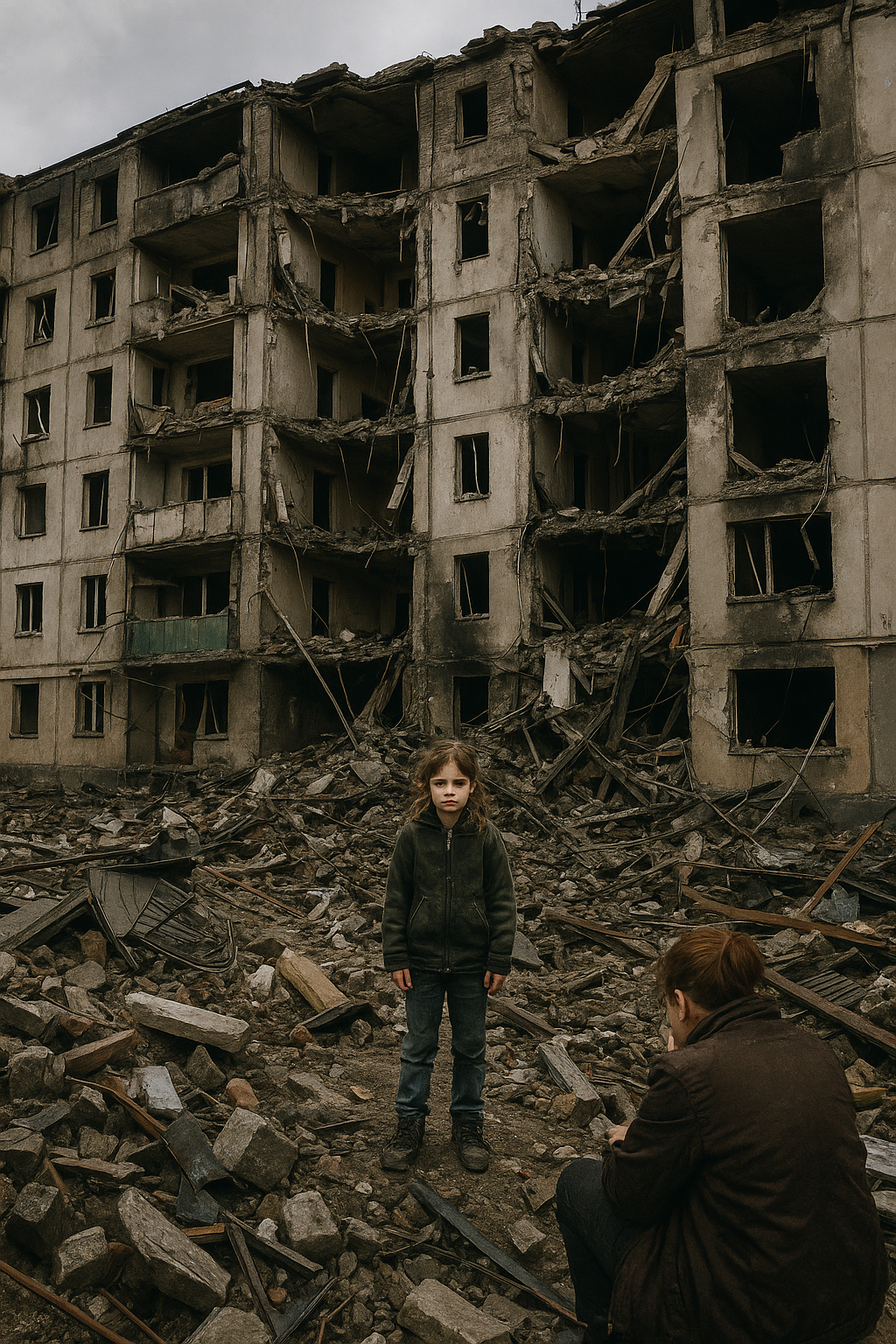
The humanitarian winter scenario long feared in Ukraine has now become a reality, UNICEF warned today, as intensified strikes devastate electricity, heating, and water systems during extreme sub-zero temperatures.
With temperatures plunging to minus 18 degrees Celsius, millions of families across the country are enduring prolonged periods without heat, power, or running water. Children and caregivers are living in constant survival mode—seeking warmth, safety, and basic services amid relentless attacks.
"Children's lives are being consumed by survival, not childhood," UNICEF said. "In freezing high-rise apartments, families are fighting to stay warm while enduring air raids, blackouts and fear."
Children Facing Extreme Cold and Psychological Trauma
In Kyiv's left-bank neighbourhoods, entire apartment blocks have been left without heating or electricity for days at a time. Families have resorted to blocking windows with soft toys, blankets, and household items to keep out the cold.
Svitlana, a mother caring for her three-year-old daughter Arina on the tenth floor of a darkened building, told UNICEF they had gone more than three days without heating, electricity or reliable water in the first week of disruptions alone.
Unable to bathe her child or prepare warm food, Svitlana wraps Arina in multiple layers and descends ten unlit floors to reach emergency warming tents set up by Ukraine's State Emergency Services. There, families can access warmth, hot meals, charging points, and psychological support.
UNICEF has equipped these tents with psychosocial support materials, including toys and games, to help children manage heightened anxiety and stress.
"For children, darkness and extreme cold amplify fear," UNICEF said. "These conditions can worsen respiratory illness, undermine mental health, and pose life-threatening risks—especially for newborns and infants, who lose body heat rapidly."
Education Disrupted Again
The cold snap has forced schools and kindergartens in Kyiv and other regions to switch fully to remote learning, but rolling blackouts continue to disrupt online classes, further destabilising children's routines and learning.
Nearly four years into the war, UNICEF warns that repeated interruptions to education, combined with trauma and deprivation, are placing an entire generation at risk.
Emergency Response Racing Against Time
Despite ongoing attacks, Ukrainian energy and water technicians are working around the clock to restore damaged infrastructure. UNICEF is supporting these efforts through its large-scale winter response, aiming to assist 1.65 million people, including 470,000 children.
Thanks to early investments made months—and in some cases years—ago, critical services have been able to continue operating in the face of recent strikes:
-
Hospitals in Zaporizhzhia and Dnipro maintained operations during total blackouts using generators and solar power installed ahead of winter
-
In Kyiv, UNICEF deployed pre-positioned generators immediately after heating stations were damaged, preventing a full shutdown of essential services
-
79 high-capacity generators are being delivered to water and heating utilities nationwide
-
Winter cash assistance has reached more than 183,000 people, including 86,000 children, enabling families to prioritise urgent needs
-
Winter grants are supporting 1,500 education facilities, benefiting 445,000 students through urgent repairs and upgrades
Rising Toll on Children
The winter crisis follows a tragic 11 per cent increase in verified child casualties in 2025, compared to the previous year. At least 92 children were killed and 652 injured last year, bringing the total number of children killed or injured since the start of the full-scale war to more than 3,200.
"Every strike on civilian infrastructure puts children's lives at risk," UNICEF said. "Heating, water, electricity, schools and hospitals are not military targets—they are lifelines."
Call for Protection of Children and Civilian Infrastructure
UNICEF once again called for an immediate end to attacks on civilian areas and the infrastructure children depend on, urging all parties to respect international humanitarian law.
"As winter tightens its grip, children in Ukraine cannot wait," UNICEF said. "They need protection, warmth, education—and peace."


 Google News