

UN Urges More Refugee Resettlement as Global Need Grows
Afghan refugees are expected to remain the largest population requiring resettlement, followed by refugees from South Sudan, Sudan, Syria and Rohingya communities living mainly in Bangladesh.
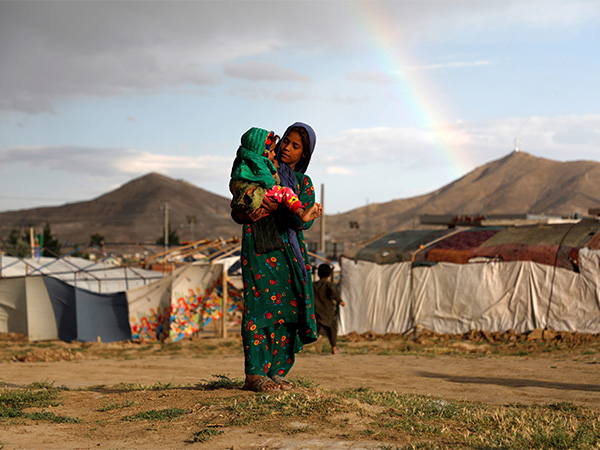
The United Nations refugee agency is calling for an urgent expansion of refugee resettlement programmes after new projections revealed a widening gap between the number of people needing protection and the places available worldwide.
According to UNHCR's latest Projected Global Resettlement Needs report, around 2.4 million refugees will require resettlement in 2027 because they continue to face serious risks in their host countries and cannot safely return home. While the figure is 6 per cent lower than the projected need for 2026, UNHCR says the decline reflects specific developments in several regions rather than a broader improvement in global displacement conditions.
Afghans Remain Largest Group in Need
Afghan refugees are expected to remain the largest population requiring resettlement, followed by refugees from South Sudan, Sudan, Syria and Rohingya communities living mainly in Bangladesh. The report notes that changes in Syria following the political transition in late 2024 have allowed some refugees to consider voluntary return, contributing to lower projected resettlement needs for certain groups.
At the same time, reduced projections for Afghan refugees in Iran and Pakistan are linked to returns that have occurred under difficult circumstances rather than lasting improvements in protection conditions. Eastern and Southern Africa continue to record the highest resettlement needs globally, followed by Asia and the Pacific, and West and Central Africa.
Available Places Fall Far Short of Demand
UNHCR-assisted resettlement departures dropped sharply in 2025, with approximately 37,000 refugees moving to new countries compared with more than 116,000 in 2024. The decline leaves only a small fraction of vulnerable refugees able to access one of the world's most important protection pathways.
In 2022, the international community set a goal of providing 130,000 resettlement places by 2027. UNHCR now warns that the target is unlikely to be reached because of reduced quotas, policy changes, stricter admission criteria and growing processing backlogs in some destination countries. Many nations hosting large refugee populations continue to call for greater international responsibility-sharing as they face increasing pressure on public services and resources.
UN Calls for Stronger Global Commitment
Low- and middle-income countries currently host around 68 per cent of the world's refugees, carrying much of the burden of displacement despite having fewer resources available. UNHCR says resettlement remains one of the most effective long-term solutions for vulnerable refugees. Beyond offering safety, it helps ease pressure on host countries, supports regional stability and reduces the need for dangerous onward migration journeys. The agency is urging governments to increase resettlement quotas, accelerate processing times and encourage more countries to participate in resettlement programmes.
As the world marks the 75th anniversary of the 1951 Refugee Convention, UNHCR says renewed commitment is essential to ensure refugees can rebuild their lives and contribute to their new communities through employment, entrepreneurship and social participation. The agency stressed that every resettlement place represents a chance for a family to move beyond displacement and build a safer future.
ALSO READ
-
Refugee Protection Nears Breaking Point: UN Funding Cuts Put 8.3 Million Lives at Risk
-
Sudanese Families Flee to Chad as Violence Surges and Refugee Support Falls Behind
-
Refugees and Host Communities in Ethiopia at Heart of New ILO and UNHCR Work Pact
-
Yemen Violence Displaces 130,000 as Shelters Fill and Aid Funding Runs Short
-
Climate Change Is Deepening the Crisis for Millions Living Without a Nationality Today


 Google News