

UNHCR Warns of Growing Displacement Crisis in Lake Chad Basi
UNHCR and its partners are seeking $29 million to maintain operations through December 2026, fund life-saving assistance, strengthen protection services and support regional stabilisation efforts led by governments.
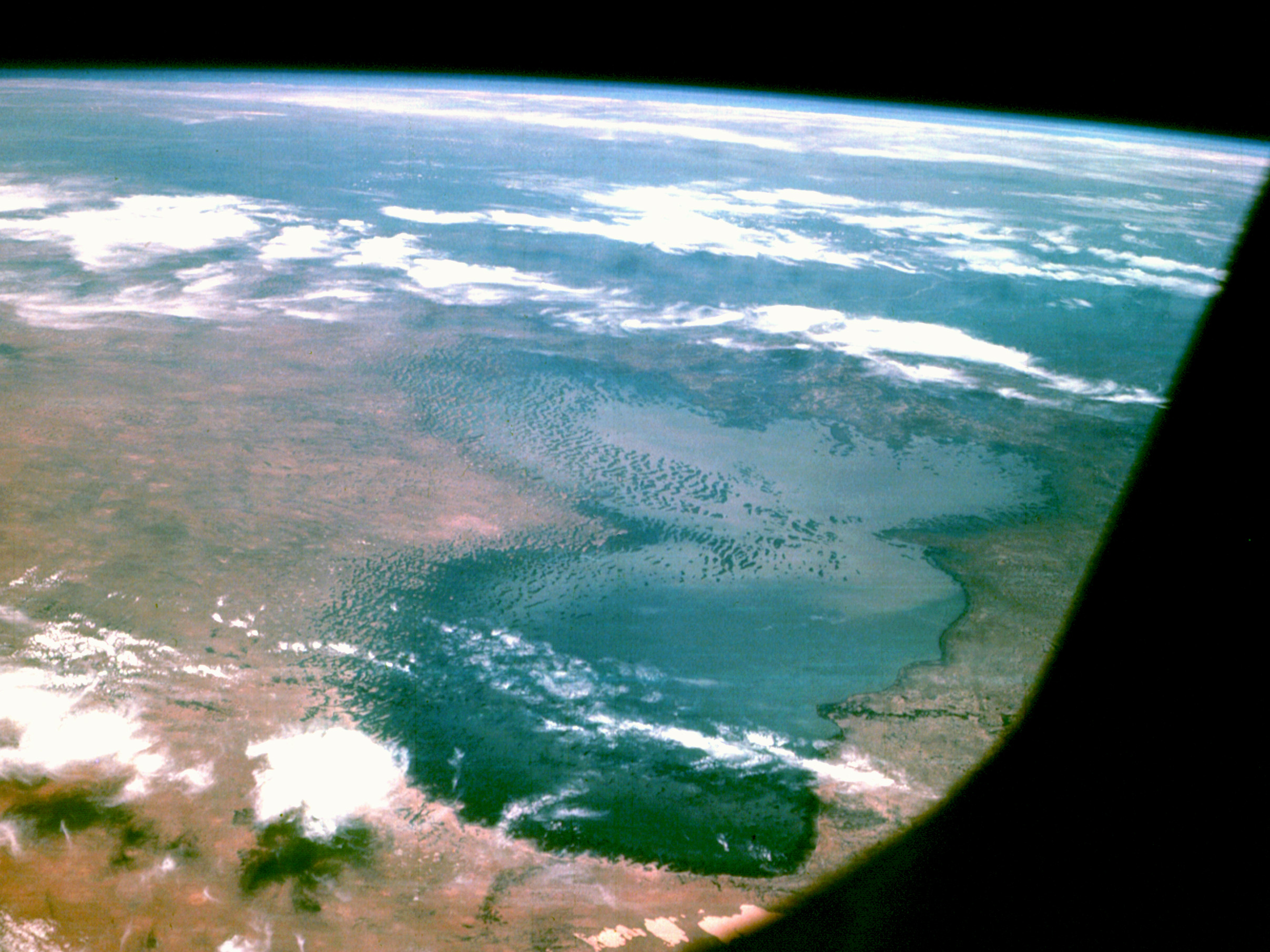
Violence across the Lake Chad Basin is forcing thousands more people from their homes, with the UN Refugee Agency (UNHCR) warning that worsening insecurity could erase years of fragile progress in one of Africa's most vulnerable regions. The Lake Chad Basin, covering parts of Cameroon, Chad, Niger and Nigeria, is facing a sharp rise in armed attacks that have left millions in need of humanitarian assistance. More than 3.5 million people are currently displaced across the region, while 8.2 million require emergency aid.
UNHCR says the security situation has deteriorated significantly, with recorded incidents increasing by 80 per cent between January 2024 and April 2026. Between September 2025 and May 2026, nearly 1,800 security incidents and more than 5,700 deaths were recorded. Civilians have been caught in attacks involving killings, kidnappings, village raids, explosions and clashes between armed groups.
Nigeria's Borno State remains the centre of the crisis, where repeated attacks by non-state armed groups, ongoing military operations and dangerous transport routes continue to force families to flee while restricting humanitarian access. The instability is spreading beyond northeastern Nigeria into other parts of the country, including the northwest and the middle belt, adding further pressure to already fragile communities.
Since the beginning of 2026, more than 77,500 people have been newly displaced across the four countries. Among them are over 16,000 refugees who escaped attacks in northeastern Nigeria and crossed into Niger's Diffa region, where UNHCR and its partners are providing emergency assistance, registering new arrivals and assessing urgent protection needs.
Women and Children Face Rising Protection Risks
The humanitarian agency says civilians continue to bear the heaviest burden of the conflict. Protection monitoring shows that one in five households no longer feels safe within their own communities, reflecting the growing insecurity affecting everyday life. Women and girls face increasing risks of violence while specialised support services remain severely overstretched. Reports indicate that the proportion of people who know survivors of violence has risen from 19 per cent in 2025 to 27 per cent so far in 2026, suggesting that protection risks are increasing even though many incidents remain unreported.
Children are among the hardest hit. Around half of the children living in the worst-affected areas are currently out of school, while the figure exceeds 78 per cent in Chad's Lac Province. Community monitoring also shows that one in four people report the presence of separated or unaccompanied children, rising to one in three in Cameroon's Far North. Older people, single-parent families and people living with disabilities are also facing growing hardship as repeated displacement weakens already limited support networks.
UNHCR Appeals for Urgent Funding
UNHCR says governments across Cameroon, Chad, Niger and Nigeria continue to keep their borders open to people fleeing violence while working with humanitarian organisations to provide protection, registration, documentation and assistance. The agency is also supporting families seeking safe opportunities for return and recovery where conditions permit.
Despite these efforts, humanitarian needs are growing faster than available resources. UNHCR and its partners are seeking $29 million to maintain operations through December 2026, fund life-saving assistance, strengthen protection services and support regional stabilisation efforts led by governments.
The agency warns that without timely financial support, protection gaps will continue to widen, cross-border displacement will increase, and the crisis could become even more deeply entrenched. UNHCR believes there is still an opportunity to prevent further deterioration if sustained international support is provided now.
ALSO READ
-
Deepening Funding Cuts Push Nearly 6 Million Refugee Children Out of School
-
Malaysia’s Return of 1,476 People to Myanmar Raises UNHCR Fears Over Their Safety
-
Refugee Protection Nears Breaking Point: UN Funding Cuts Put 8.3 Million Lives at Risk
-
Nigeria Launches $5 Billion AgriConnect Plan to Back Farmers and Create 2.5m Jobs
-
Sudanese Families Flee to Chad as Violence Surges and Refugee Support Falls Behind


 Google News