

U.S. Trade Deficit Surges Amid Tariff Concerns
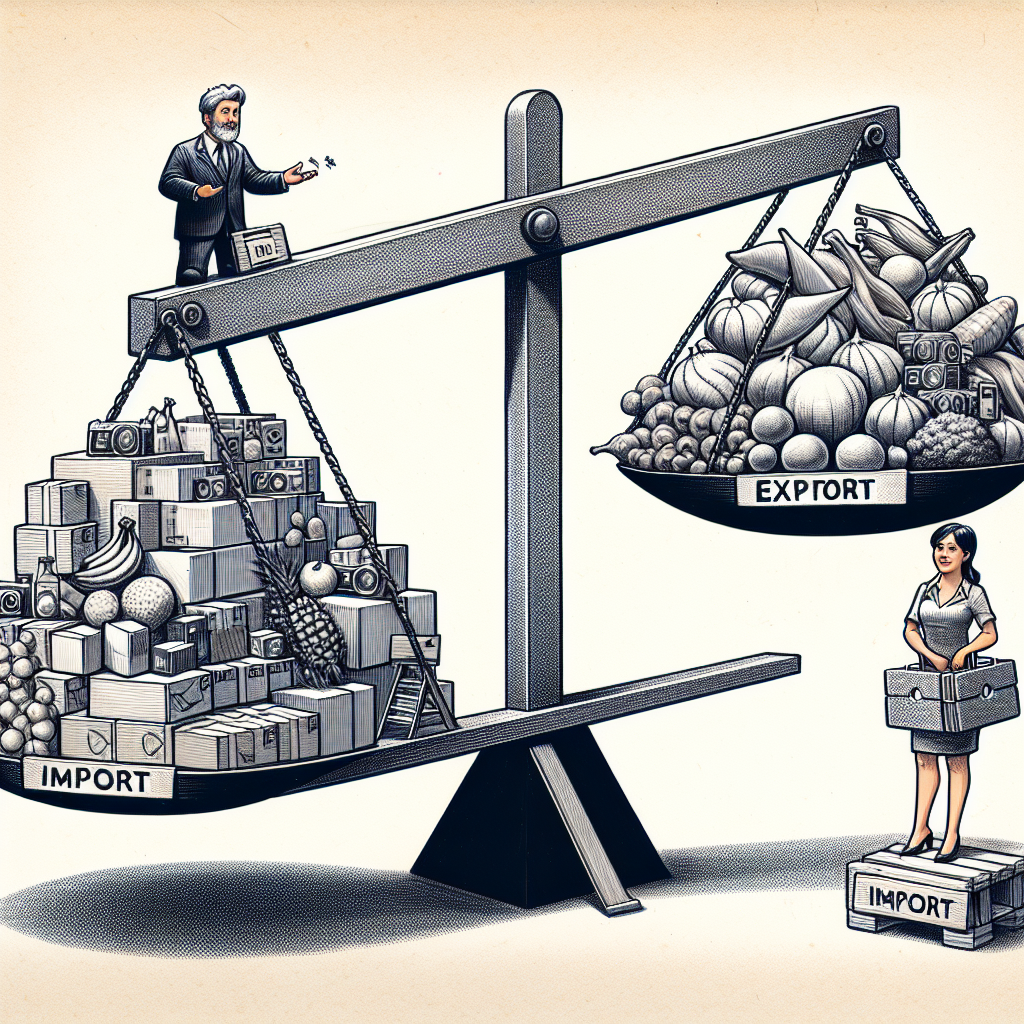
The U.S. trade deficit expanded significantly in September due to increased imports driven by strong domestic demand and the threat of rising tariffs. The gap grew to $84.4 billion, as exports dropped. Republican candidate Donald Trump's proposed tariffs could further impact trade dynamics.
- Country:
- United States
The U.S. trade deficit widened considerably in September, as businesses ramped up imports in response to strong domestic demand and in anticipation of higher tariffs. According to the Commerce Department's Bureau of Economic Analysis, the deficit surged by 19.2% to reach $84.4 billion, up from a revised $70.8 billion in August, while exports fell.
Republican candidate Donald Trump has pledged to impose a 60% tariff on Chinese goods and a minimum 10% levy on all other imports should he secure the presidency in Tuesday's election. Trump's proposals arrive as he competes closely with Democratic nominee Kamala Harris for the White House.
Trade subtracted 0.56 percentage point from GDP in the third quarter, negatively impacting economic growth for three consecutive quarters. The U.S. economy recorded a 2.8% annualized growth rate from July through September.
ALSO READ
-
EU Firms Rethink Supply Chains as Geopolitical Risks Reshape Global Trade
-
Trade War Chessboard: Agriculture, Energy, and Rare Earths in Focus
-
Trump and Xi Set for High-Stakes Summit: Trade, Taiwan, and Technology in Focus
-
US Tariff Announcement Delay Amidst Xi-Trump Summit
-
India Defends Energy Policy Amidst Rising Tariff Threats from U.S.


 Google News