

German Bond Yields Surge Amidst Fiscal Push
Germany's bond yield curve steepened as expectations for increased borrowing grew. Lawmakers passed a fiscal relief package to drive economic growth, impacting long-term bond yields. Short-term yields tracked stable ECB rates. Meanwhile, Deutsche Bank revised growth forecasts upwards, and geopolitical events, including U.S.-China tariffs and NATO spending, weigh on markets.
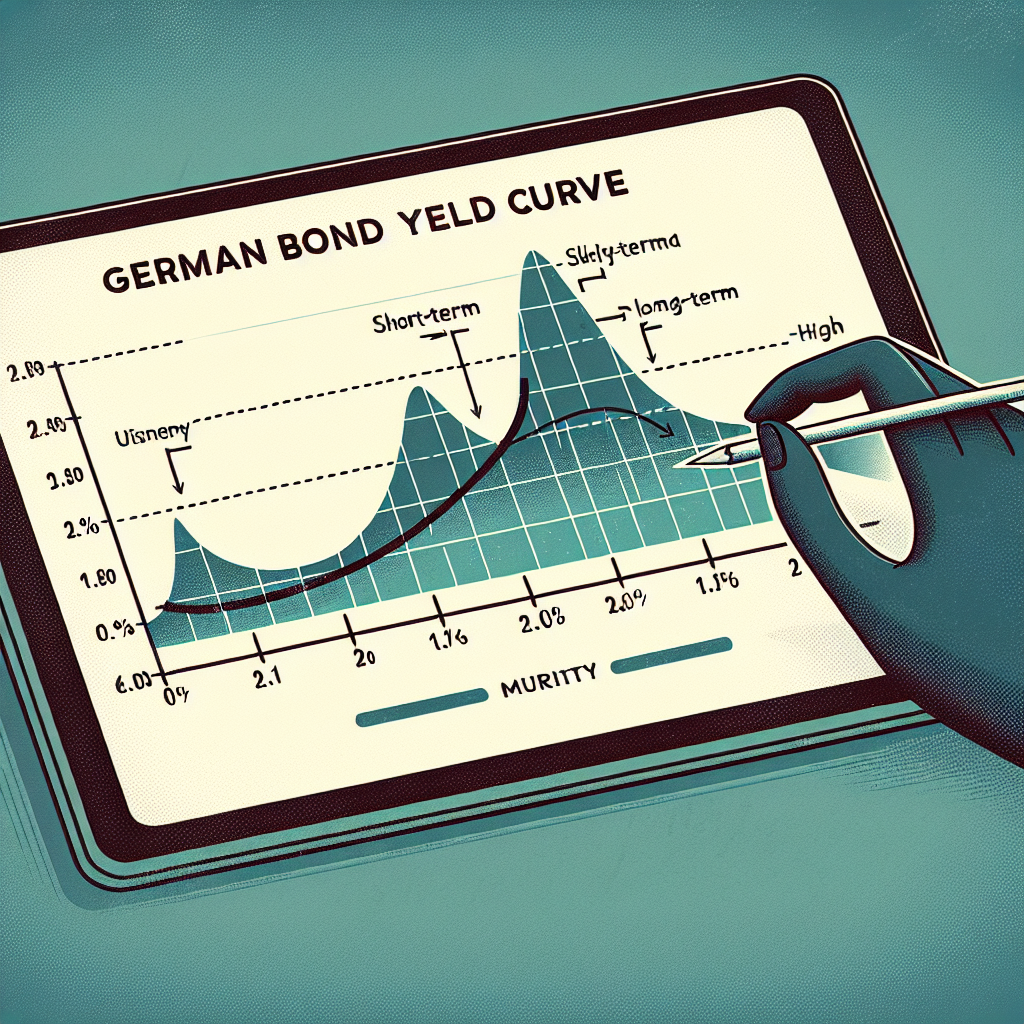
The German bond yield curve steepened further on Thursday as Berlin's potential for increased borrowing influenced investor expectations. The shift follows U.S. economic data not providing much-needed direction for government bond markets.
German lawmakers approved a multi-billion-euro fiscal relief package aimed at investment and growth, as part of the government's strategy to revitalize Europe's leading economy. Anticipated increased bond issuance from Germany is likely to drive up longer-term bond yields.
Deutsche Bank has revised its forecasts, predicting 0.5% growth for Germany in 2025 and a peak growth of 2.0% in 2026, attributing this to a robust fiscal expansion and handling of trade issues with unexpected stability.


 Google News