

A New Era Unfolds: Japan's Prime Minister Resigns Amid Political Turmoil
Japanese Prime Minister Shigeru Ishiba has resigned, ushering in a period of political uncertainty for Japan. Ishiba's departure follows a series of electoral losses and comes after securing a trade deal with the U.S. His resignation has sparked speculation about potential successors and the future direction of fiscal policy.
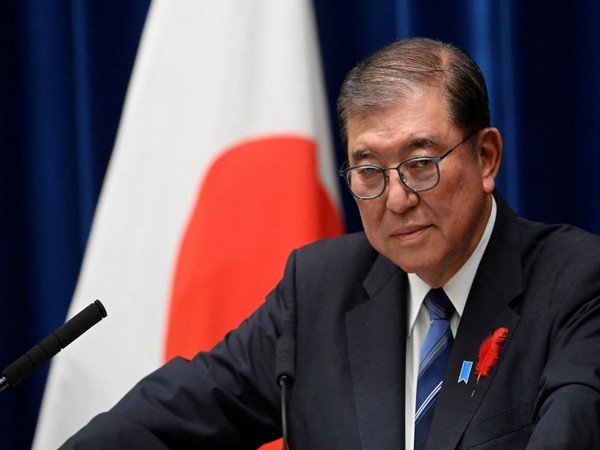
In a dramatic turn of events, Japanese Prime Minister Shigeru Ishiba announced his resignation on Sunday, marking the start of potentially turbulent times for the nation. The decision comes after Ishiba successfully secured a trade agreement with the United States, though his tenure was marred by electoral setbacks.
His resignation follows mounting political pressure after his ruling coalition lost its majorities in both parliamentary houses due to public dissatisfaction over rising living costs. As Ishiba prepares to step down, the Liberal Democratic Party faces urgency to elect a new leader amidst growing calls for looser economic policies.
Prominent figures like Sanae Takaichi and Shinjiro Koizumi emerge as potential successors, with Takaichi's fiscal strategies poised to draw significant market scrutiny. The political landscape remains uncertain, with options for a snap election looming if the next leader seeks renewed mandate authority.
ALSO READ
-
Japan and IDB Group Expand Health and Infrastructure Partnership
-
ADB’s First Yen Water Bond Channels $126 Million Into Asia’s Water Future
-
Engagement on Ice: Love Story of Champions Riku Miura and Ryuichi Kihara
-
Tremors Rattle Honshu: Earthquake Strikes Japan's East Coast
-
Leadership Shake-Up: U.S. Army Secretary Dan Driscoll's Imminent Resignation


 Google News