

Yen's Sharp Decline Amid Political Turmoil in Japan and France
The yen stabilized on Friday but is facing its steepest weekly decline in a year due to decreased likelihood of a rate hike by the BOJ, following political changes in Japan. Meanwhile, the euro is affected by political crises in France, prompting warnings from leaders about economic growth.
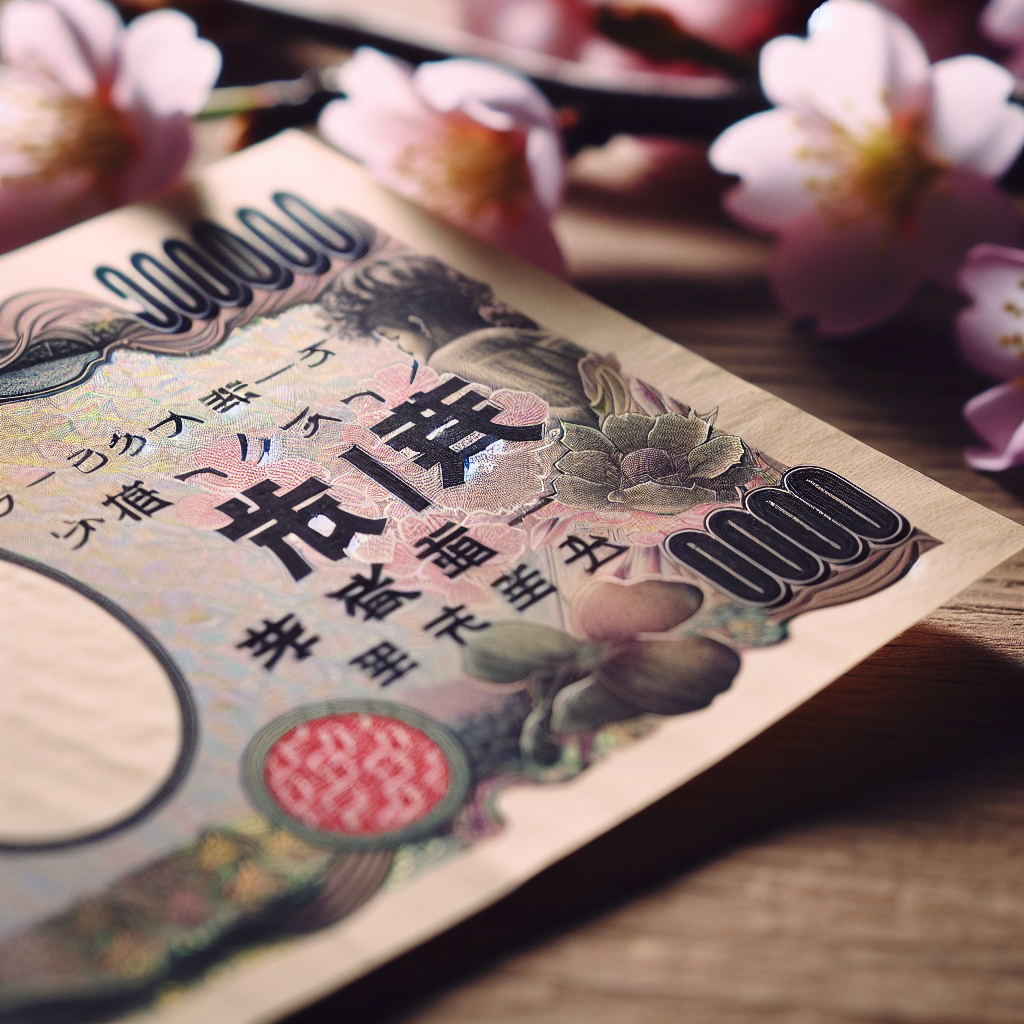
The yen found stability on Friday, although it's poised for its most significant weekly drop in a year. This decline follows diminishing prospects for a near-term rate hike by the Bank of Japan after Sanae Takaichi unexpectedly secured leadership of the ruling party, raising concerns over potential government intervention.
Japanese officials have voiced worries about currency fluctuations, with Finance Minister Katsunobu Kato expressing concerns over excessive volatility. In response, the yen's movement remained under scrutiny in global forex markets as traders anticipate potential government action to counter its weakness.
In Europe, the euro is grappling with its biggest weekly decline since November, influenced by political unrest in France. French President Emmanuel Macron is in discussions to resolve the crisis, while economic indicators from Germany add to the strain on the euro. Meanwhile, U.S. economic indicators and Federal Reserve policies remain pivotal for financial markets going forward.


 Google News