

Myanmar's Controversial Election: A Facade or a Step Forward?
Myanmar held its first general election in five years amid a civil war, under military government supervision. Critics argue the election legitimizes military rule, as major opposition is excluded. The military-backed Union Solidarity and Development Party is expected to dominate, raising concerns about democracy's future in Myanmar.
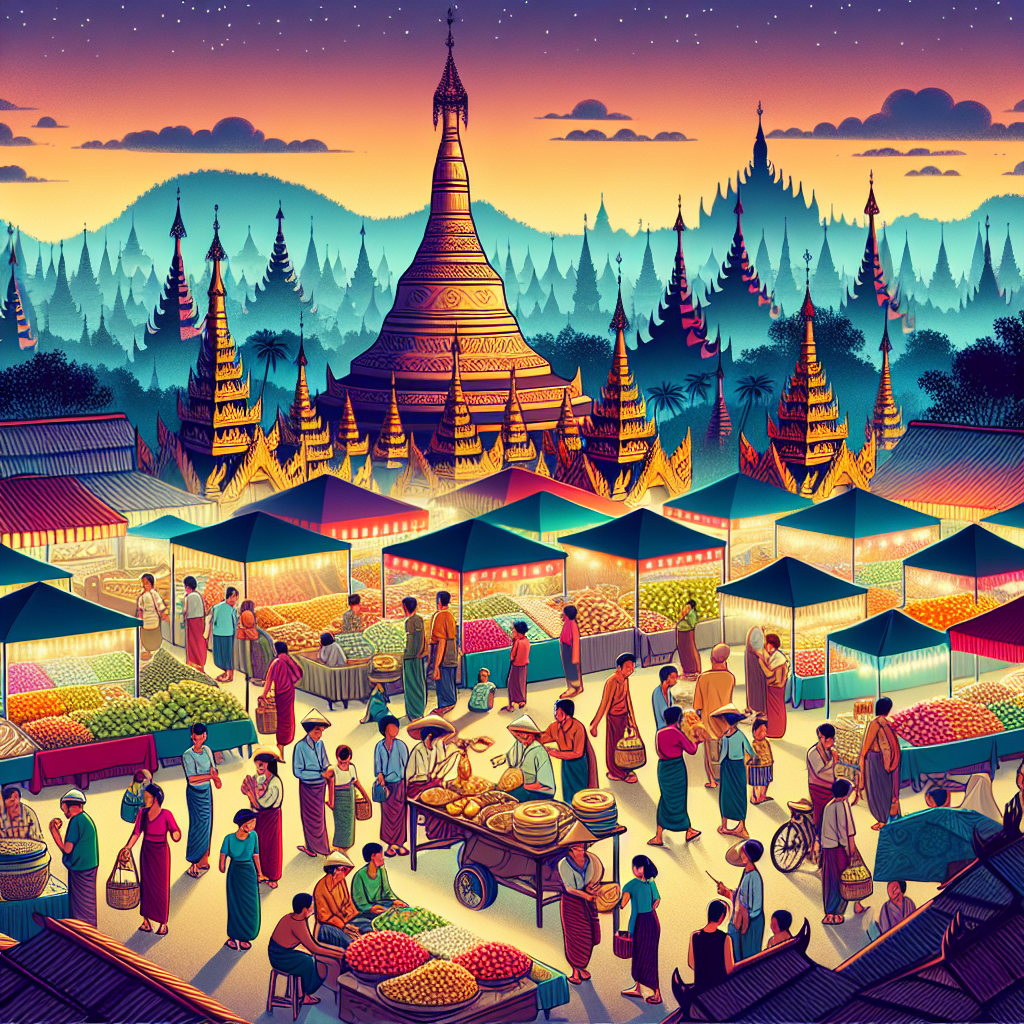
In Myanmar, voters participated in the country's first general election in five years, despite ongoing civil conflict and military oversight. Held in three phases, the results will likely affirm the power of the ruling Union Solidarity and Development Party.
Under the leadership of Min Aung Hlaing, the military has strategically positioned itself to maintain control, presenting the election as a pathway to democracy. However, international observers and local critics denounce the process as a bid to add legitimacy to authoritarian rule.
Western nations persist with sanctions, condemning the military's repressive tactics and exclusion of opposition parties. Many voters are coerced under threat, casting doubt on the election's credibility and Myanmar's democratic prospects.
ALSO READ
-
Myanmar’s Child Labour Trap: Rural Poverty and Education Gaps Threaten a Generation’s Future
-
South Korean President Lee Jae Myung Rules Out Second Term
-
Brazil's Presidential Runoff: Lula vs. Bolsonaro in Tight Race
-
Brazil's Welfare Boost Amid Election Tensions: Economic Lifeline or Political Strategy?
-
High-Stakes Diplomacy: U.S. Secures Release of Adam Castillo from Myanmar


 Google News