

Trump's Bold Venezuela Move Sparks Controversy
President Donald Trump's decision to intervene in Venezuela by arresting its president marks a significant shift from his previous non-interventionist stance. This move aligns with actions of past Republican presidents and has stirred criticism from both sides of the political aisle ahead of the midterm elections.
President Donald Trump has taken a bold step in foreign policy by intervening in Venezuela, arresting the country's president. This action marks a departure from Trump's previously non-interventionist stance, aligning him with past Republican presidents who engaged in similar military efforts when faced with international challenges.
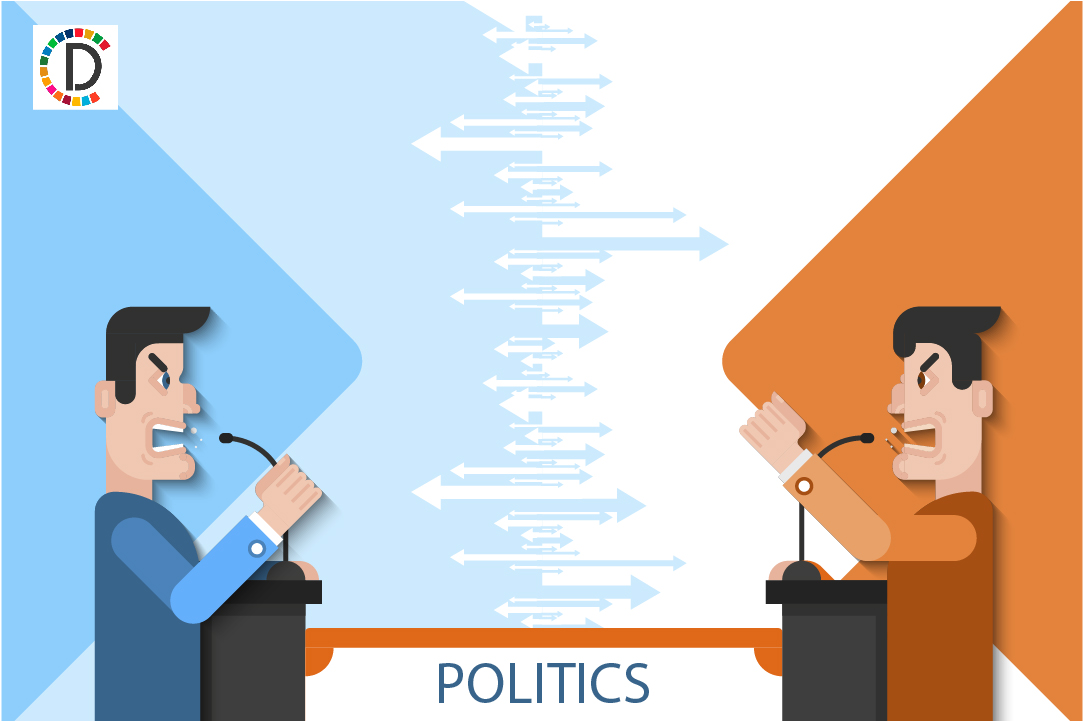
The decision has sparked division among U.S. politicians and voters, with notable criticism from Trump's MAGA supporters and political adversaries alike. The timing of the intervention adds complexity to the upcoming November midterm elections, where control of Congress hangs in the balance, potentially having a strategic impact on domestic political dynamics.
While Trump's move aims to reassert U.S. dominance in Latin America, it has also raised diplomatic concerns. Regional actors like Mexico and Brazil may realign closer to global powers such as China and Russia, complicating the geopolitical landscape further. The operation's broader implications remain uncertain as political debate ensues within the U.S.
ALSO READ
-
Lee Jae Myung's Diplomatic Milestones: Balancing Amidst Global Tensions
-
Venezuelan Central Bank's Gold Transfer Nears Completion
-
Diplomatic Moves: Takaichi's UN Meeting with Trump
-
Trade War Chessboard: Agriculture, Energy, and Rare Earths in Focus
-
High-Stakes Diplomatic Dance: Trump and Xi's Crucial Summit


 Google News