

Maduro's Capture: A Controversial U.S. Intervention in Venezuela
The U.S. captured Venezuela's President Nicolas Maduro in a military operation led by President Trump's administration. The action, which raises complex legal questions, drew international condemnation. Maduro faces charges, but U.S. justifications blur the lines between law enforcement and potential control of Venezuela.
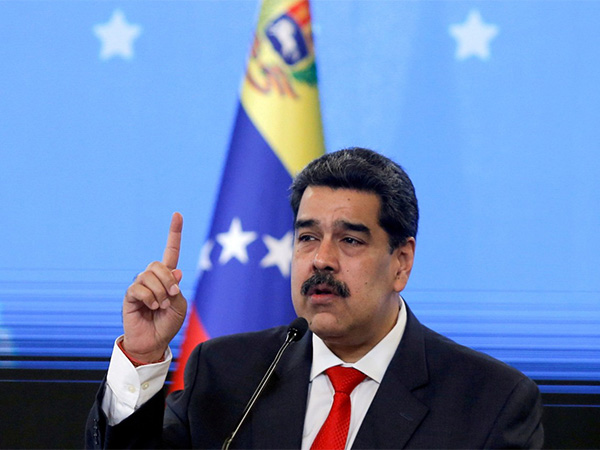
The United States carried out a dramatic military operation on Saturday, capturing Venezuelan President Nicolas Maduro. This controversial move was the pinnacle of President Trump's administration's sustained pressure campaign, which has faced international criticism.
Maduro was reportedly en route to New York to stand trial on criminal charges, further complicating U.S. relations. Meanwhile, back home, U.S. legal experts debate the legality of this operation, questioning the Trump administration's narrative that intertwines law enforcement with the prospect of governing Venezuela.
Last Saturday's operation bypassed Congress, drawing further scrutiny. International law generally prohibits such force, except under certain circumstances. This unilateral action by the U.S. has parallels with historical events like the capture of Panama's Manuel Noriega, yet legal recourse appears limited against such international actions.


 Google News