



Science News Roundup: Explainer-What to expect during the green comet's encounter with Earth; Asteroid's sudden flyby shows blind spot in planetary threat detection and more
If bound for Earth, it would have been pulverized in the atmosphere, with only small fragments possibly reaching land. From ashes to fly larvae, new ideas aim to revive farm soil As extreme weather and human activity degrade the world's arable land, scientists and developers are looking at new and largely unproven methods to save soil for agriculture.
Following is a summary of current science news briefs.
Explainer-What to expect during the green comet's encounter with Earth
A green-hued comet that has been lurking in the night sky for months is expected to be the most visible to stargazers this week as it gradually passes Earth for the first time in about 50,000 years. The cosmic visitor will swing by our planet at a distance of about 26.4 million miles (42.5 million km).
Asteroid's sudden flyby shows blind spot in planetary threat detection
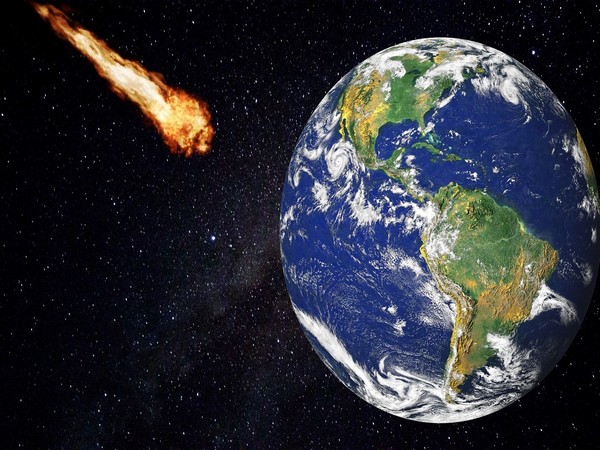
The discovery of an asteroid the size of a small shipping truck mere days before it passed Earth on Thursday, albeit one that posed no threat to humans, highlights a blind spot in our ability to predict those that could actually cause damage, astronomers say. NASA for years has prioritized detecting asteroids much bigger and more existentially threatening than 2023 BU, the small space rock that streaked by 2,200 miles from the Earth's surface, closer than some satellites. If bound for Earth, it would have been pulverized in the atmosphere, with only small fragments possibly reaching land.
From ashes to fly larvae, new ideas aim to revive farm soil
As extreme weather and human activity degrade the world's arable land, scientists and developers are looking at new and largely unproven methods to save soil for agriculture. One company is injecting liquid clay into California desert to trap moisture and help fruit to grow, while another in Malaysia boosts soil with droppings from fly larvae. In a Nova Scotia greenhouse, Canadian scientist Vicky Levesque is adding biochar - the burnt residue of plants and wood waste - to soil to help apples grow better.
- READ MORE ON:
- Earth
- Canadian
- Explainer
- Nova Scotia
- California
- Vicky Levesque
- Malaysia
- NASA


 Google News