

Canada's Wildfires: Climate Threat and Carbon Emissions Debate
A recent study revealed that the wildfires in Canada released more greenhouse gases than many of the world's largest emitting countries in 2022. The findings raise questions about the reliability of national emissions budgets and highlight the impact of climate change on increasing wildfire severity.
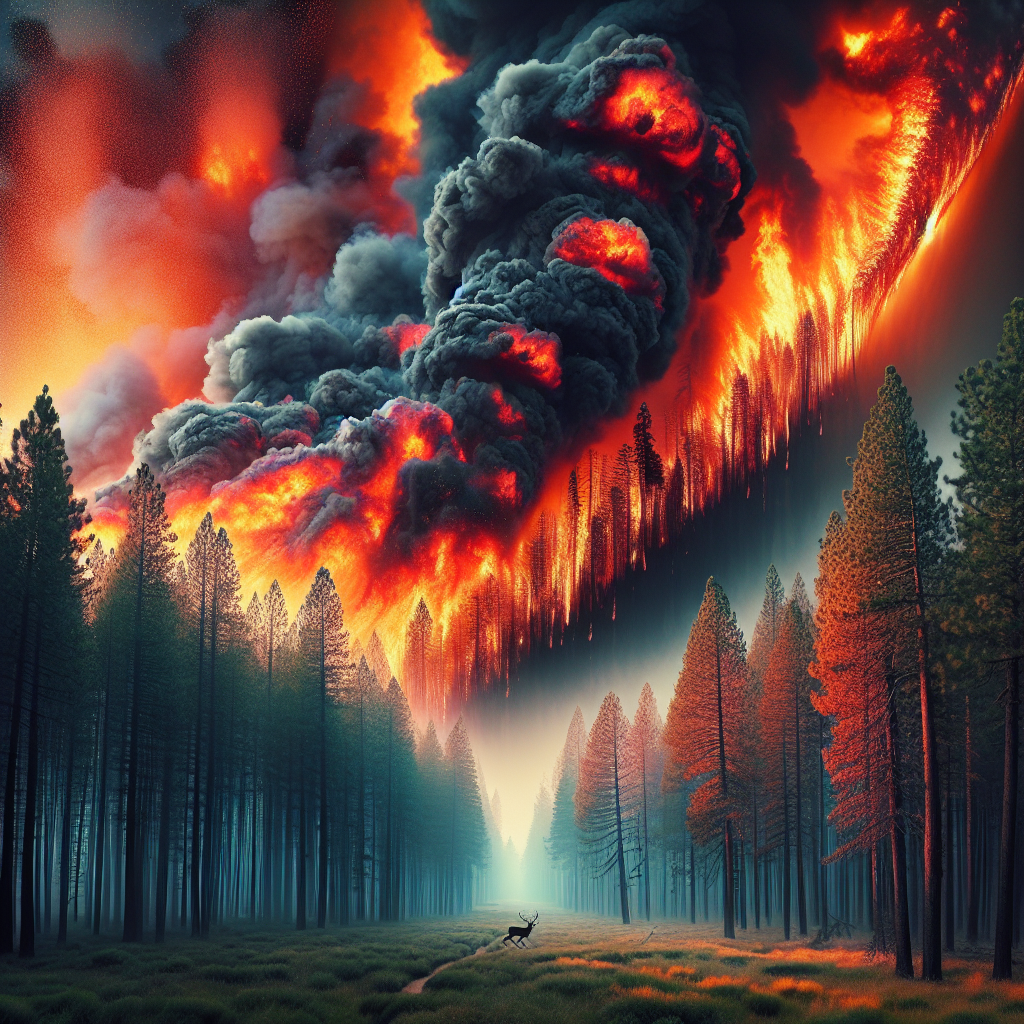
Wildfires that swept Canada's woodlands last year released more greenhouse gases than some of the largest emitting countries, a study found on Wednesday, casting doubt on national emissions budgets that rely on forests as carbon stores.
The study published in Nature found that at 647 megatonnes, the carbon released in last year's wildfires exceeded those of seven of the ten largest national emitters in 2022, including Germany, Japan, and Russia. Only China, India, and the United States emitted more carbon, meaning that if Canada's wildfires were ranked alongside countries, they would be the world's fourth largest emitter.
Typical emissions from Canadian forest fires have ranged between 29 to 121 megatonnes over the last decade. Climate change, driven by fossil fuel combustion, is causing drier and hotter conditions, leading to extreme wildfires. The 2023 fires burned 15 million hectares across Canada, about 4% of its forests, raising concerns about the dependability of forests as long-term carbon sinks.


 Google News