

Ancient Jawbone Unearthed in Taiwan Sparks New Insights into Denisovans
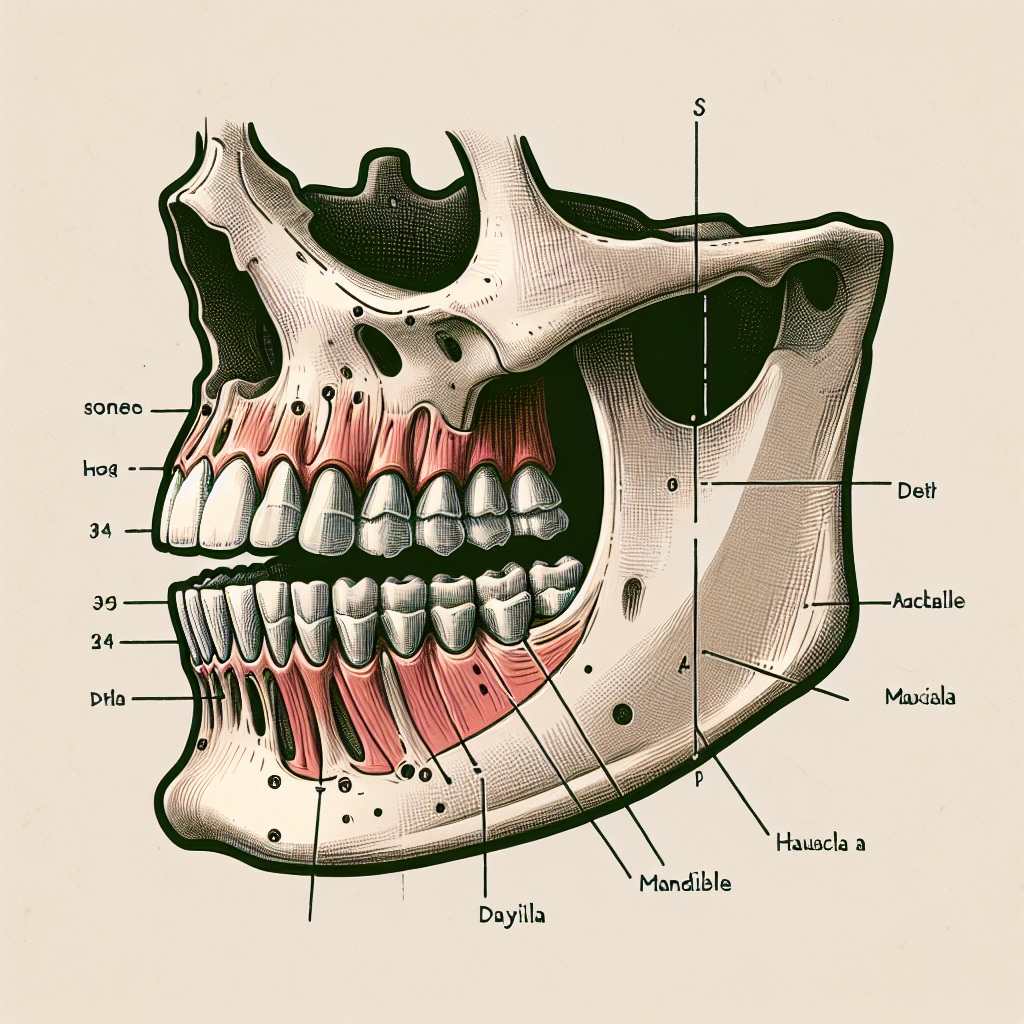
An ancient jawbone discovered in Taiwan may expand our understanding of the Denisovans, an extinct group of human ancestors. Previously known from a few fossils across Asia, this find could mark a new region of Denisovan habitation. Analysis links the jawbone to known Denisovan genetics.
- Country:
- Taiwan
An ancient jawbone discovered off the coast of Taiwan has been identified as potentially belonging to the enigmatic Denisovans, shedding light on the spread of these early human ancestors across Asia. This rare find expands the known range of Denisovan fossils and offers new genetic insights.
The jawbone, originally dredged from the Penghu Channel, eventually found its way to Taiwan's National Museum of Natural Science. Despite its age, protein sequences extracted from the jawbone suggest a genetic connection with known Denisovan remains from Siberia, as published in the journal Science.
While further data is needed for confirmation, this discovery offers a glimpse into a time when Denisovans, Neanderthals, and Homo sapiens once coexisted, interacting and occasionally interbreeding across Eurasia.


 Google News