



Extreme Heat Threatens Global Agriculture, FAO–WMO Warn in New COP30 Report
FAO’s Director of Climate Change, Biodiversity and Environment Kaveh Zahedi said climate science must guide the transformation of agrifood systems to safeguard food security, nutrition, and biodiversity.
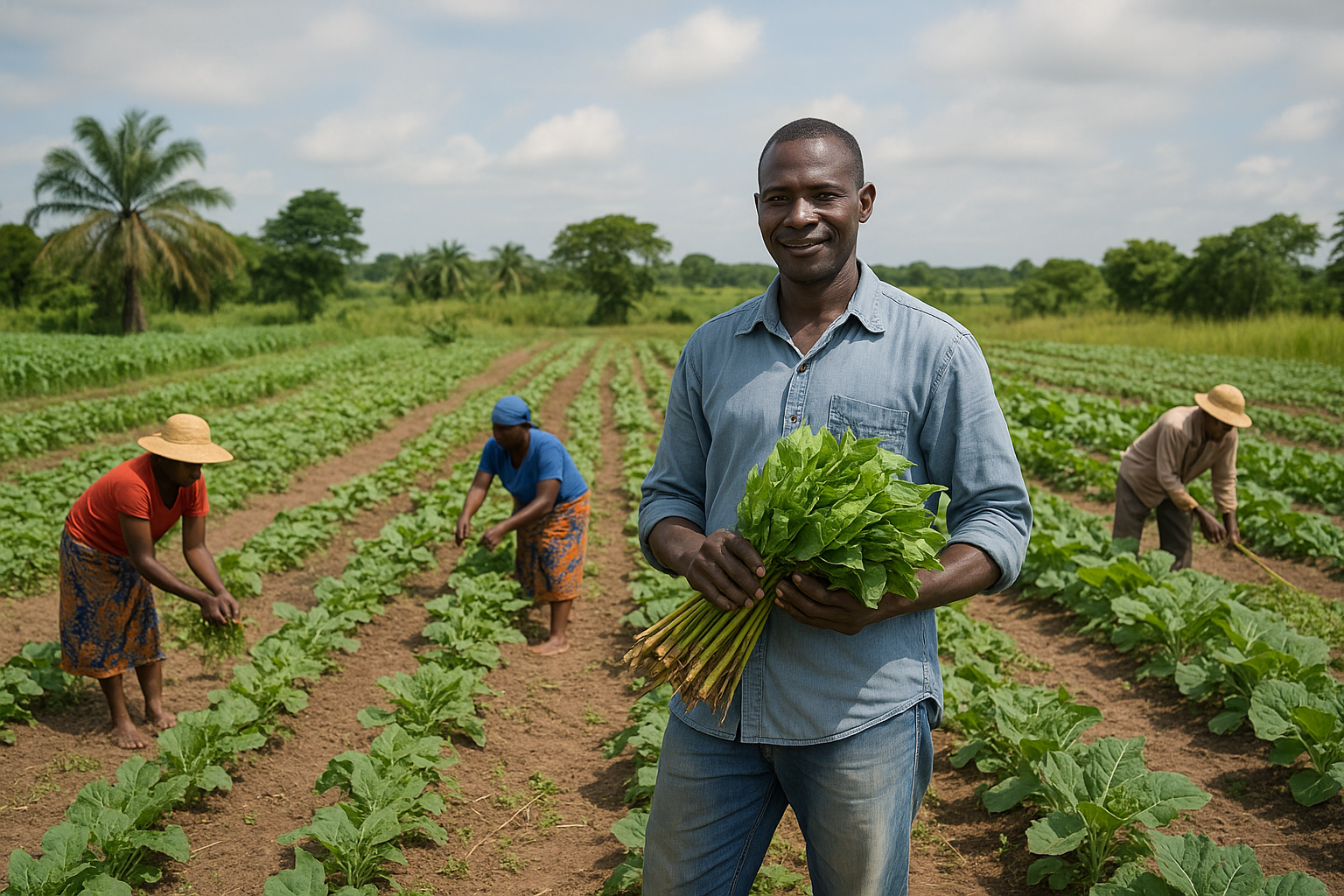
A new joint report released by the Food and Agriculture Organization (FAO) and the World Meteorological Organization (WMO) has issued a stark warning: extreme heat is rapidly becoming one of the most severe threats facing the world’s agrifood systems. The assessment, titled Extreme Heat and Agriculture, highlights how rising temperatures are damaging crops, stressing livestock, disrupting fisheries, and jeopardizing the livelihoods of over 1.23 billion people.
Presented at COP30 during a high-level side event on Transforming Agrifood Systems through Climate Science, the report underscores the urgent need for science-backed adaptation, risk governance, and mitigation strategies to protect global food security.
Agricultural Workers on the Frontlines of the Heat Crisis
Agricultural workers are among the most vulnerable to extreme heat exposure. According to the report, they are 35 times more likely to die from occupational heat exposure compared to workers in other sectors. This growing danger is not theoretical—extreme heat caused the loss of 470 billion labour hours in 2021, directly impacting productivity, food supplies, and farm incomes.
The findings make clear that food production systems are increasingly strained as climate change intensifies the frequency, duration, and severity of heatwaves.
Agrifood Systems Under Mounting Pressure
IPCC Chair Jim Skea emphasized that agriculture is already stretched to the limit by rising temperatures, water shortages, and accelerating climate extremes.
He noted that extreme heat and drought are:
-
Altering crop yields
-
Reducing livestock productivity
-
Lowering water availability
-
Disrupting ecosystems and biodiversity
-
Threatening global food security and nutrition
These impacts cascade through economies and supply chains, deepening inequality and undermining livelihoods.
“Trusted Climate Science Must Guide Action”
WMO Director of Water, Cryosphere and Hydrology Stefan Uhlenbrook warned that extreme heat, low precipitation, and fire-weather conditions are already causing massive losses across the agrifood sector.
“Trusted climate science and services must inform climate-smart practices,” he said, adding that National Meteorological and Hydrological Services play a central role in forecasting extreme heat. He stressed that combining forecasts, early warnings, and heat action plans can help safeguard crops, livestock, and farm workers.
Key Findings from the Extreme Heat and Agriculture Report
The FAO–WMO assessment provides alarming insights:
-
A single heatwave can slash agricultural productivity by up to 50%.
-
Agricultural workers face 35 times higher mortality from heat exposure than other laborers.
-
Heat worsens drought, accelerates crop failures, and increases livestock deaths.
-
Fisheries are collapsing under marine heatwaves—such as the 2014–2016 Pacific “blob,” which triggered mass seabird starvation and widespread fishery closures.
-
Forest ecosystems suffer double-digit productivity declines and heightened wildfire risk.
-
For every 1°C of global warming, yields of staples like maize and wheat could decline by 4–10%.
These projections show that without urgent intervention, heat-related disruptions could destabilize food systems worldwide.
Case Studies: Extreme Heat’s Cascading Impacts
The report includes case studies from Pakistan, Morocco, Chile, and Portugal, demonstrating the widespread consequences of heat-related shocks.
In Brazil, the compounded effects of the 2023–2024 El Niño were particularly devastating:
-
Prolonged drought, amplified by extreme heat
-
Soybean crops exceeded critical heat thresholds for days
-
Heat aborted flowers and hindered grain development
-
The Fire Weather Index soared to record highs
-
Early, severe wildfires ravaged the Pantanal
-
Soy harvest dropped by nearly 10%, affecting farmers and livestock alike
These cascading impacts reveal how heatwaves can cripple entire national food systems.
Adaptation: From Crisis Response to Risk Reduction
The report stresses that resilience requires a fundamental shift from reactive responses to anticipatory action. Key adaptation strategies include:
-
Developing heat-tolerant crop varieties and livestock breeds
-
Investing in sustainable irrigation and water management
-
Integrating climate forecasts into farming decisions
-
Strengthening early warning systems
-
Training farmers and agricultural enterprises in heat-risk management
Such measures can help stabilize food supplies and protect vulnerable communities.
Mitigation: Reducing Emissions from Agrifood Systems
Adaptation alone cannot address the scale of the crisis. FAO experts emphasized that mitigation is essential, noting that agrifood systems contribute:
-
One-third of global greenhouse gas emissions
-
70% of freshwater withdrawals
FAO Climate Change Team Head Martial Bernoux presented updated scientific findings demonstrating how food systems intersect with climate change—information that could inform future IPCC assessments.
A Call for Science-Informed Transformation
FAO’s Director of Climate Change, Biodiversity and Environment Kaveh Zahedi said climate science must guide the transformation of agrifood systems to safeguard food security, nutrition, and biodiversity.
With extreme heat intensifying worldwide, the FAO–WMO report calls for bold, coordinated action to protect global food production, support vulnerable farming communities, and strengthen the resilience of agrifood systems before the impacts become irreversible.
- READ MORE ON:
- climate change
- extreme heat
- FAO
- agriculture
- food security
- COP30
- WMO
ALSO READ
Madhya Pradesh's VB G-RAM-G Act: Transforming Rural Employment and Agriculture
Revolutionary Growth: How the Agriculture Infrastructure Fund Empowers Farmers
AI-Driven Carbon Credit Platform Revolutionizes Indian Agriculture
Reviving Manipur: Tourism and Agriculture Lead the Way
Chouhan Urges Strategic Budget Use to Boost Agriculture


 Google News