

Rwanda and Senegal Join Global Pledge to Triple Nuclear Energy Capacity by 2050
The pledge, first launched at COP28, aims to accelerate nuclear deployment to help the world achieve net-zero emissions by mid-century.
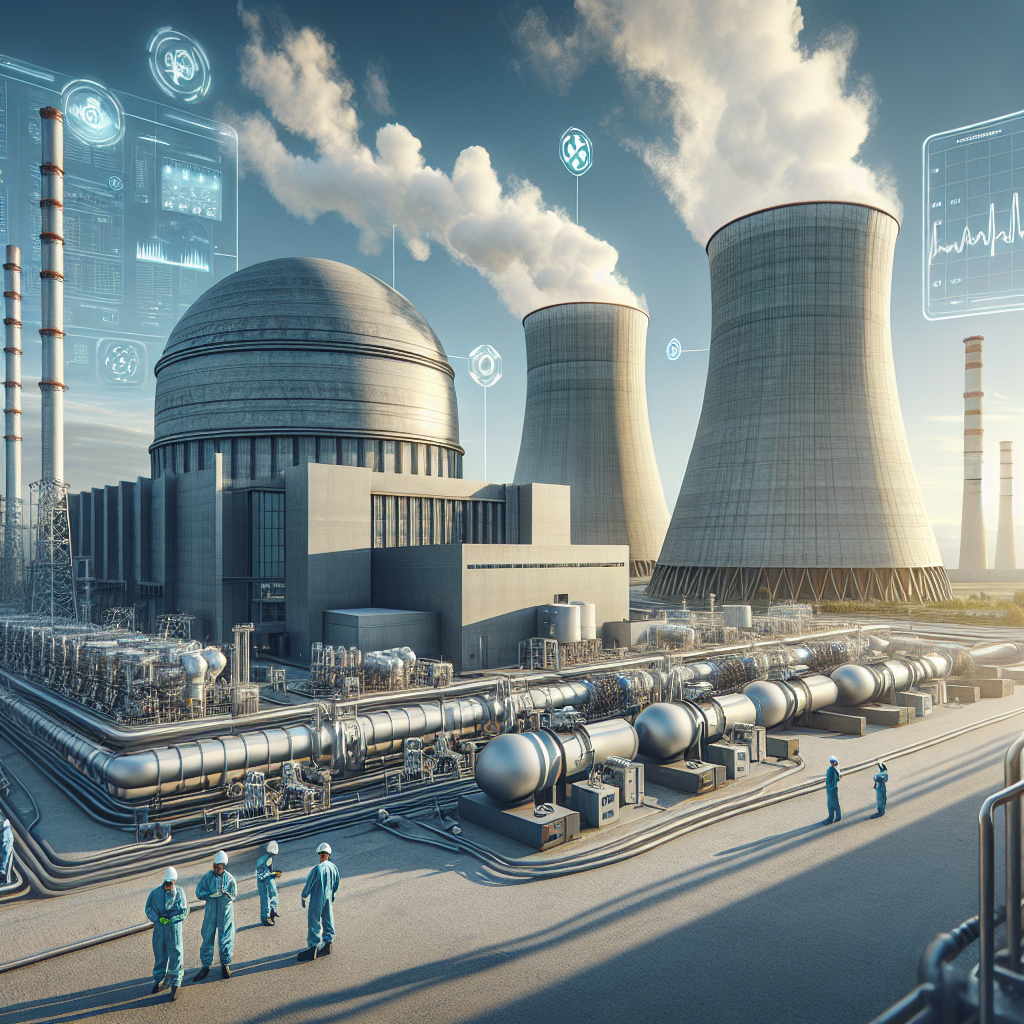
Rwanda and Senegal have officially joined a growing coalition of nations committed to tripling global nuclear energy capacity by 2050, endorsing the Declaration to Triple Nuclear Energy at COP30 in Belém, Brazil. Their support brings the total number of endorsing countries to 33, underscoring the rising momentum behind nuclear power as a critical component of the clean energy transition—especially across Africa.
The pledge, first launched at COP28, aims to accelerate nuclear deployment to help the world achieve net-zero emissions by mid-century. As climate impacts intensify and global electricity demand surges, nuclear energy is increasingly being recognized as a reliable, carbon-neutral technology capable of generating large amounts of power at scale.
With Rwanda and Senegal joining the commitment, African nations now make up nearly 20% of the global coalition, marking a significant vote of confidence in nuclear energy's potential to reshape the continent's energy future.
Africa Embraces Nuclear to Close its Energy Access Gap
The urgency for Africa to diversify and expand its clean energy supply is stark. According to the World Bank, approximately 600 million people in Sub-Saharan Africa lack electricity access, representing 83% of the world's unelectrified population. This energy deficit constrains social development, limits industrial growth, and undermines economic resilience.
Nuclear energy—long considered out of reach for many developing nations—is now emerging as a viable option in Africa, thanks to falling technology costs, the rise of small modular reactors (SMRs), and greater international support for nuclear financing and capacity-building.
South Africa's leadership within the G20 further spotlighted nuclear's role in Africa's energy future. In October 2025, South Africa hosted the first-ever G20 High-Level Meeting on Nuclear Energy, co-organized with the International Atomic Energy Agency (IAEA). During the event, the IAEA released its Outlook for Nuclear Energy in Africa, projecting dramatic growth in nuclear capacity across the continent.
In the IAEA's high-case scenario:
-
Africa's nuclear capacity will triple by 2030, compared to 2024 levels
-
By 2050, nuclear generation could increase sixteen-fold
This would make nuclear one of the fastest-growing energy sources in Africa's clean power mix.
A Global Movement Gains Speed
The pledge to triple nuclear energy is part of a broader global effort to align the energy transition with climate goals. Tripling global nuclear capacity requires unprecedented levels of international collaboration, including:
-
Pro-investment regulatory reforms
-
Robust supply chain development
-
Technical and workforce training programmes
-
Harmonized safety and licensing standards
-
Long-term financing mechanisms
The declaration encourages major financial institutions—including the World Bank, regional development banks, and international financial institutions—to integrate nuclear energy into their lending and policy frameworks.
Since COP28, momentum has been accelerating, with multilaterals increasingly exploring nuclear financing and new public-private partnerships emerging to support both large-scale reactors and next-generation SMR technologies.
Broad-Based Support Across Countries, Industry and Finance
The 33 countries that have endorsed the Declaration to Triple Nuclear Energy include a diverse mix of established nuclear nations, emerging nuclear adopters, and countries preparing for their first reactors. Endorsing states are:
Armenia, Bulgaria, Canada, Croatia, the Czech Republic, El Salvador, Finland, France, Ghana, Hungary, Jamaica, Japan, Kazakhstan, Kenya, Republic of Korea, Kosovo, Moldova, Mongolia, Morocco, the Netherlands, Nigeria, Poland, Romania, Rwanda, Senegal, Slovakia, Slovenia, Sweden, Turkey, Ukraine, the United Arab Emirates, the United Kingdom, and the United States of America.
Beyond governments, support for the pledge includes:
-
Over 140 nuclear industry companies
-
16 major financial institutions
-
A growing coalition of energy-intensive corporations seeking secure, carbon-free power
Industries such as steel, fertilizers, chemicals, and data centers—under pressure to decarbonize—are increasingly turning to nuclear as a dependable, long-term energy solution.
Nuclear for Development: A Turning Point for Africa
The ability of nuclear power to supply reliable baseload electricity makes it especially attractive for African nations pursuing industrialization, energy-intensive manufacturing, and digital infrastructure development.
Countries like Ghana, Kenya, Nigeria, Rwanda, and Senegal are already working with the IAEA and international partners to:
-
Develop national nuclear roadmaps
-
Build regulatory frameworks
-
Train nuclear engineers and technicians
-
Explore SMR and microreactor deployment
-
Undertake feasibility and grid integration studies
As new technologies reduce reactor size, cost, and construction timelines, nuclear is becoming increasingly viable for countries with smaller grids and limited infrastructure footprints.
Looking Ahead: A New Era for Global Nuclear Expansion
With the global push to achieve net-zero emissions accelerating, the nuclear commitment endorsed at COP30 signals a major shift in energy policy narratives. As more countries recognize nuclear's role alongside renewables, hydrogen, and storage technologies, international cooperation will be essential.
Achieving the goal to triple global nuclear capacity by 2050 will require:
-
Strategic financing
-
Strong political commitment
-
Talent development
-
Cross-border collaboration
-
Scalable technologies
-
Clear, predictable regulatory pathways
Rwanda and Senegal's endorsements highlight the rising leadership of African countries in shaping the global clean-energy landscape.
With climate impacts intensifying and global power demand projected to double by 2050, nuclear energy is increasingly seen not just as an option—but as an essential part of the world's energy future.
ALSO READ
-
Inside Russia’s SMR School, Where Nuclear Experience Shapes Future Energy Decisions
-
14 Women Build Nuclear Expertise and Leadership Through IAEA Programme in Russia
-
From Cancer Care to Nuclear Careers, IAEA Conference Puts Global Progress in Focus
-
African Venture Capital Gets a Boost as Oxford Programme Builds Investor Connections
-
Free AI Training Opens Doors for African Public Officials to Build Smarter Services


 Google News