

Ancient Marine Fossils Reveal Resilient Ecosystem Post-Mass Extinction
Scientists discovered well-preserved marine fossils in southern China, uncovering a thriving deep-water ecosystem after a mass extinction. The Huayuan biota, containing 153 species, showcases diverse invertebrates and insights into the Cambrian seas. The fossils emphasize the resilience of deep-water fauna during ancient climate shifts.
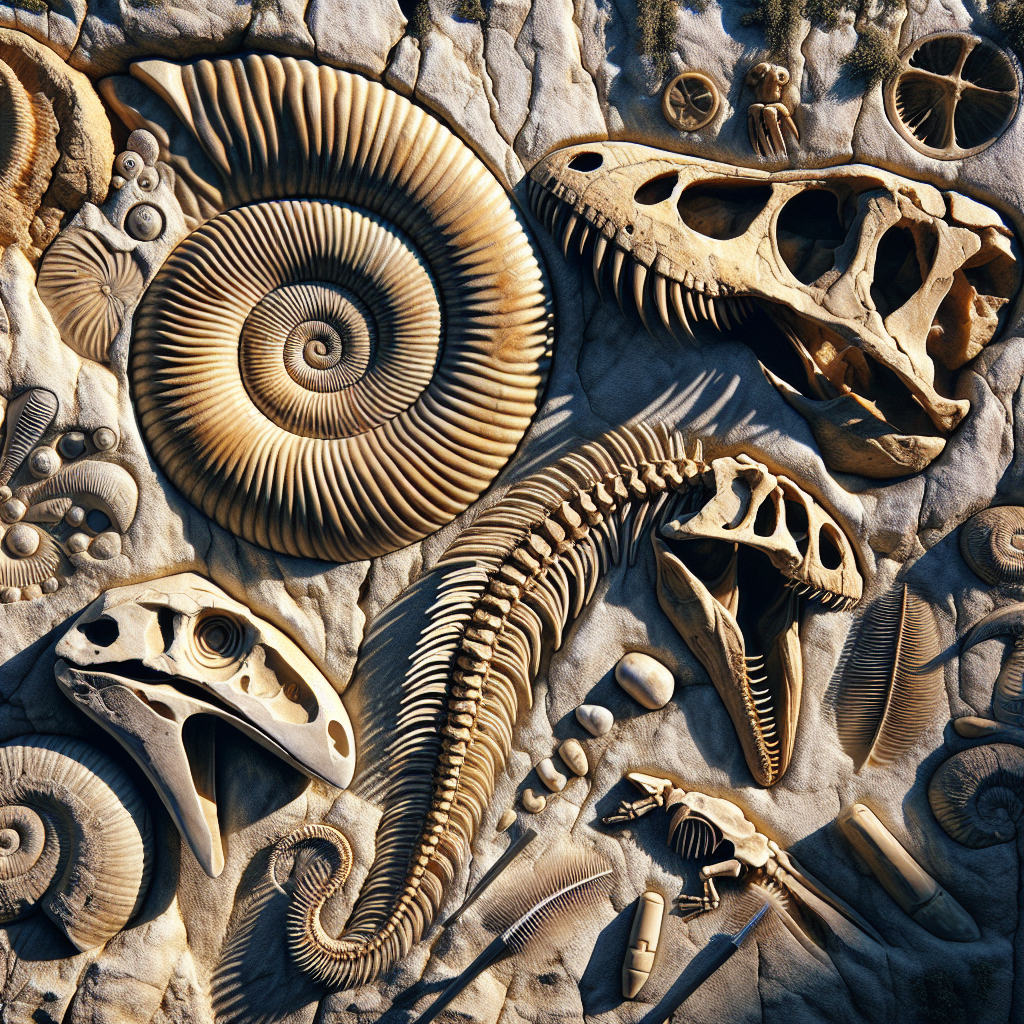
Scientists have uncovered a treasure trove of marine fossils in southern China, shedding light on an ancient ecosystem that thrived in the aftermath of the first mass extinction in the animal world. The fossils, dating back over 512 million years to the Cambrian Period, reveal a diverse array of well-preserved invertebrates.
Naming the collection the Huayuan biota, researchers unearthed more than 50,000 fossil specimens from a quarry in Hunan province, identifying 153 species, 91 of which were previously unknown. These findings offer a unique glimpse into a deep-water ecosystem filled with creatures showcasing a variety of feeding habits and movement patterns.
The discovery provides critical insights into marine life following a volcanic-induced climate change event known as the Sinsk event, which occurred 513.5 million years ago. Surprisingly, many species were shared with the Burgess Shale biota of Canada, suggesting early animal larvae dispersed via ocean currents during the Cambrian explosion.


 Google News