

Global Mutation Crop Database Expanded to Boost Food Security
For more than 60 years, the IAEA has curated the Mutant Variety Database, which serves as the world’s primary repository of officially released crop varieties developed through mutation breeding.
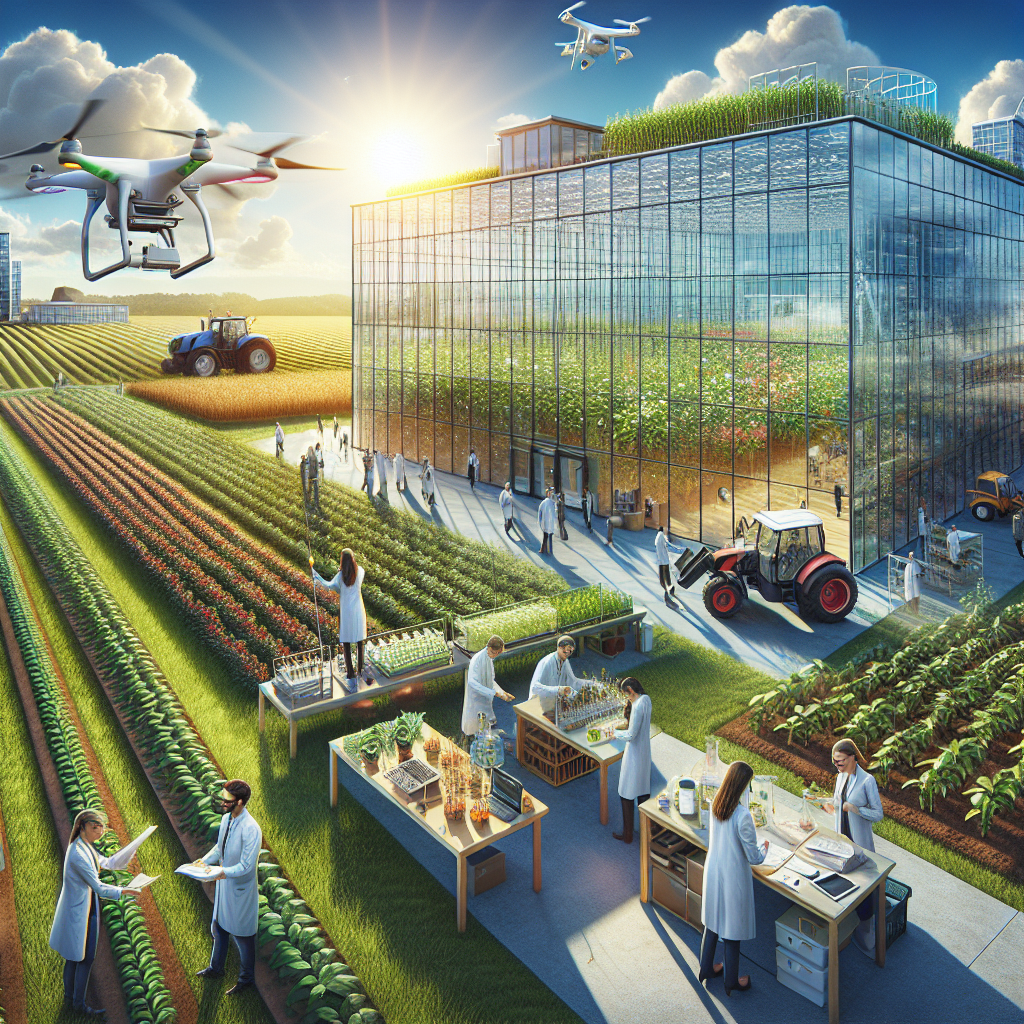
A major global database tracking crop varieties developed through mutation breeding has been upgraded to include microbial strains and enhanced digital tools, offering scientists new resources to develop climate-resilient crops.
The Mutant Variety Database (MVD), maintained by the International Atomic Energy Agency (IAEA) through the Joint FAO/IAEA Centre of Nuclear Techniques in Food and Agriculture, now contains expanded data on mutant plant varieties as well as bacterial and fungal strains used in agriculture.
Officials say the improvements will help plant breeders accelerate the development of climate-smart crops, strengthening food security and sustainable farming practices worldwide.
Six Decades of Mutation Breeding Data
For more than 60 years, the IAEA has curated the Mutant Variety Database, which serves as the world's primary repository of officially released crop varieties developed through mutation breeding.
The database now includes over 3,450 records across more than 70 plant species, covering both seed-propagated and vegetatively propagated crops.
"The Mutant Variety Database is a specialized platform that brings together data, technology and knowledge exchange," said Dongxin Feng, Director of the Joint FAO/IAEA Centre.
"It enables breeders, researchers and policymakers to showcase research results and translate scientific knowledge into technologies that benefit farmers."
Mutation Breeding for Climate-Resilient Crops
Mutation breeding is a widely used scientific technique that induces genetic variation in crops, allowing breeders to select plants with improved traits.
Through this approach, scientists can develop crops with:
-
Greater drought tolerance
-
Improved disease resistance
-
Higher nutritional value
-
Better adaptation to environmental stress
These improvements are increasingly important as agriculture faces pressures from climate change, including rising temperatures, soil salinity and the spread of new pests and diseases.
The MVD helps researchers by providing detailed technical information on each mutant variety, including:
-
The mutagen used
-
Treatment dosage
-
The plant part exposed to mutagenesis
-
Breeding methods
-
Improved traits
Database Expanded to Include Microbial Strains
A key feature of the updated database is the addition of mutant fungal and bacterial strains, expanding its scope beyond crop plants.
These microorganisms can serve important roles in agriculture, including:
-
Biological pest control
-
Plant growth promotion
-
Food production, such as edible fungi
Including microbial resources in the database broadens its value for agricultural innovation and sustainable farming systems.
New Tools Improve Access and Data Quality
The latest version of the MVD, launched in September 2025, introduces several digital upgrades designed to improve usability and encourage wider participation.
New features include:
-
A simplified online submission system for registering new varieties
-
A standardized data format to streamline evaluation of submissions
-
An integrated data dictionary providing clear definitions for variables
-
Advanced search tools allowing users to filter entries by species, traits, or country of origin
"These enhancements are expected to increase submissions and encourage wider use of the database," said Fatma Sarsu, an FAO/IAEA plant breeder and geneticist.
She added that improved access to high-quality data will help accelerate the development of crops better suited to climate challenges.
Collaborative Global Platform
The Mutant Variety Database operates as a collaborative global platform, with entries submitted voluntarily by plant breeders and researchers.
Each listing documents a mutant organism—plant, fungus or bacterium—that has been officially registered by national or regional authorities.
The IAEA provides open access to the information through the MVD portal as a service to the scientific community.
Officials say the upgraded database will support researchers worldwide as they work to develop new crop varieties capable of meeting the demands of a changing climate and a growing global population.


 Google News