

IAEA reviews assessment of Malta’s regulatory system for radiation safety
While acknowledging Malta’s progress, the review also identified areas where further work is needed to ensure long-term resilience.
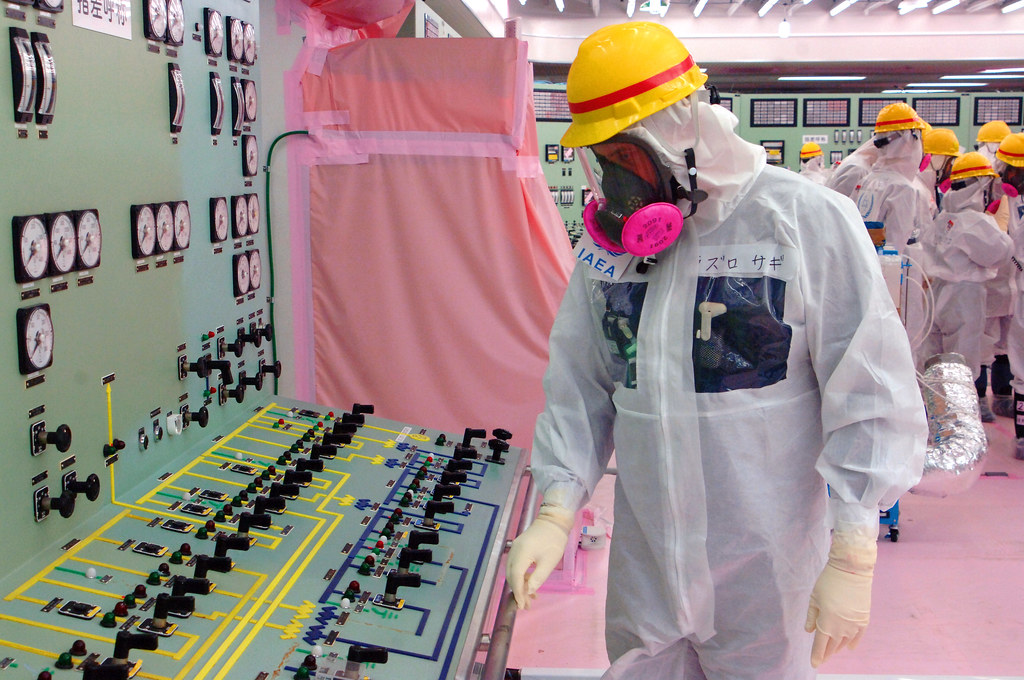
An International Atomic Energy Agency (IAEA) review mission has completed a comprehensive assessment of Malta's regulatory system for radiation safety, identifying several areas of strong performance while also outlining steps that could further strengthen the country's safety framework. The Integrated Regulatory Review Service (IRRS) mission took place between 24 May and 3 June 2026 at the request of the Maltese Government. Hosted by the Commission for the Protection from Ionising and Non-Ionising Radiation (RPC), the review brought together international experts from six countries alongside IAEA specialists.
Although Malta does not operate nuclear power plants or research reactors, radiation sources are widely used in healthcare, industry and other sectors. The country also manages a centralised facility for storing small quantities of low- and intermediate-level radioactive waste.
Experts Praise Cooperation and Regulatory Leadership
During the 11-day mission, the review team examined Malta's legislation, regulatory practices and oversight systems. Experts met with government officials, members of the RPC board and regulatory staff, while also observing inspections at the Sir Anthony Mamo Oncology Centre and the country's radioactive waste storage facility. The mission identified several strengths within Malta's existing framework. Reviewers highlighted the strong cooperation between the Government and the RPC, which they said supports the development and implementation of national radiation safety measures.
The multidisciplinary makeup of the RPC Board was also recognised as a significant advantage. According to the review team, this structure contributes to stronger leadership, more informed decision-making and greater effectiveness in regulatory oversight. Another area praised by the experts was Malta's detailed process for recognising radiation protection experts, which was described as a valuable component of the country's safety system.
Recommendations Focus on Future Preparedness
While acknowledging Malta's progress, the review also identified areas where further work is needed to ensure long-term resilience. One of the key recommendations calls for the development of a national policy and strategy for radiation safety that reflects both current uses of radiation and future developments. The experts said such a strategy would help provide a stronger foundation for long-term regulatory planning.
The mission also recommended strengthening the independence of the RPC, particularly by ensuring that management and operation of the Centralised Radioactive Waste Storage Facility remain separate from the regulatory authority. Additional recommendations focused on workforce planning and skills development. Experts encouraged both the Government and RPC to improve staffing strategies, strengthen training programmes and ensure sufficient expertise is available to meet future regulatory demands.
The review also suggested expanding public engagement efforts so that communities and stakeholders receive clearer information about radiation risks, regulatory decisions and safety measures.
Building on Recent Progress
RPC Chairperson Lourdes Farrugia welcomed the review, describing it as an opportunity to build on the significant progress Malta has made in recent years while creating a more resilient and modern safety system. The IAEA team will now prepare its final report, which will be submitted to the Maltese Government in the coming months. The document will include detailed recommendations and suggestions aimed at helping Malta continue improving its regulatory framework and maintaining high standards of radiation safety.
ALSO READ
-
Argentina’s Zlauvinen Takes the Helm of IAEA’s 70th General Conference
-
Cancer Care Shouldn’t Depend on Geography: Inside IAEA’s Rays of Hope
-
Nuclear Power Could Triple by 2060, but Ageing Reactors Test Growth
-
Cancer Care Takes Centre Stage as 181 Nations Gather for IAEA Talks
-
Uranium Is Abundant, But New Mines Must Catch Up With Nuclear Ambitions


 Google News