

IAEA Launches Global Project to Improve Crop Nutrition and Fertilizer Use
Agricultural systems around the world are losing large amounts of valuable nutrients, reducing crop yields while increasing production costs for farmers and contributing to environmental pollution.
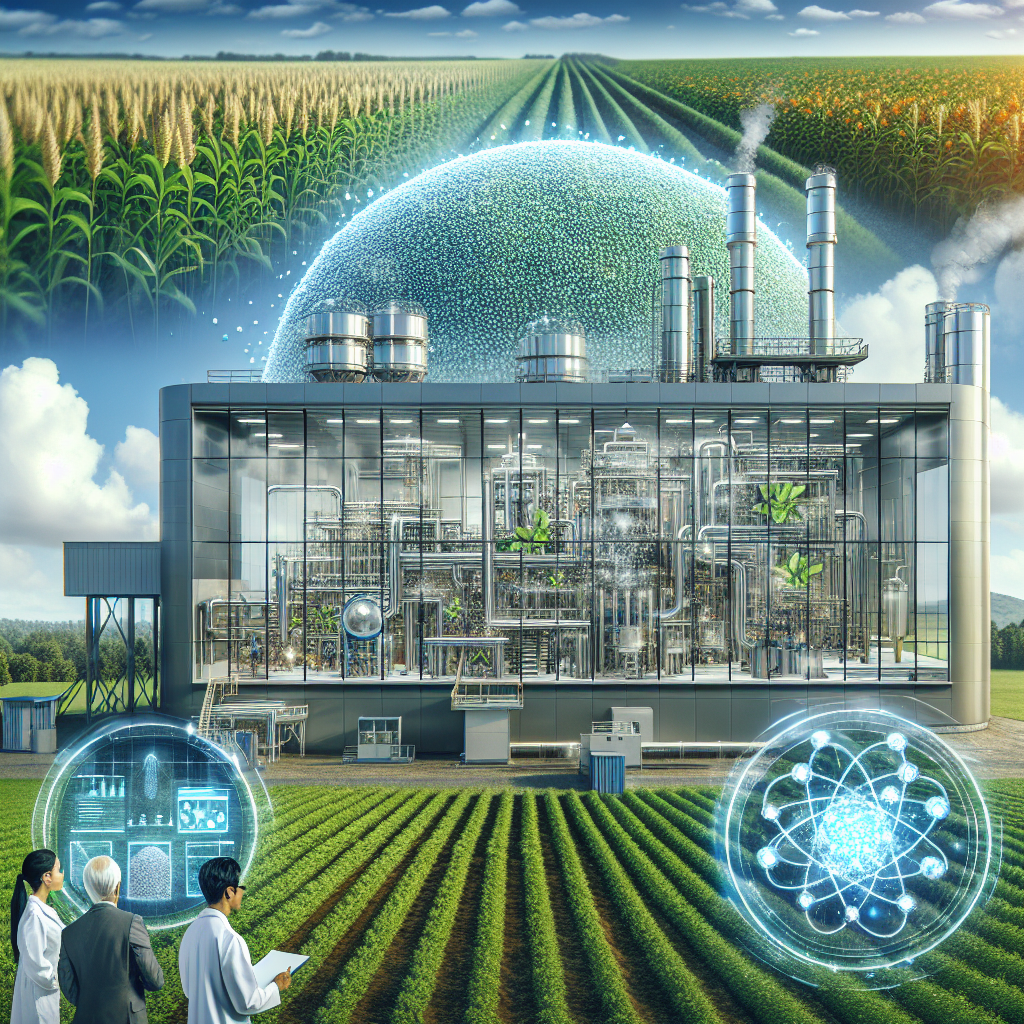
The International Atomic Energy Agency (IAEA) has launched a five-year international research project that will use nuclear and isotopic techniques to help farmers improve fertilizer efficiency, boost crop nutrition and build more climate-resilient agricultural systems as rising temperatures place increasing pressure on global food production.
New Research Targets Nutrient Loss and Food Quality
Agricultural systems around the world are losing large amounts of valuable nutrients, reducing crop yields while increasing production costs for farmers and contributing to environmental pollution. Many food crops are also falling short in essential micronutrients such as zinc, iron and selenium, creating concerns for both agricultural productivity and human nutrition.
The IAEA's new Coordinated Research Project (CRP), titled Integrating Nuclear Approaches to Enhance Nutrient Use Efficiency and Crop Nutritional Quality, seeks to address these challenges through advanced scientific methods. The initiative will be implemented jointly by the IAEA and the Food and Agriculture Organization (FAO) through the Joint FAO/IAEA Centre of Nuclear Techniques in Food and Agriculture, together with the IAEA's Division of Physical and Chemical Sciences.
Researchers will develop practical solutions that improve nutrient management, enhance the nutritional quality of crops and strengthen farming systems against the growing impacts of climate change.
Nuclear Techniques Offer Greater Precision
The project will use stable isotope and radioisotope techniques to better understand how nutrients move through soil and plants. Scientists will study the behaviour of important nutrients including nitrogen, zinc, iron and selenium, while radioisotope methods will be used to track phosphorus movement within agricultural systems.
These techniques allow researchers to distinguish nutrients supplied through fertilizers from those already present in the soil, providing a much clearer picture of how efficiently crops absorb nutrients and where valuable resources are being lost. Advanced analytical technologies such as X-ray fluorescence will also be used to assess nutrient availability and measure the nutritional quality of harvested crops.
Combining these scientific tools with field experiments will help researchers identify nutrient loss pathways, understand how drought and heat affect nutrient uptake and develop fertilizer strategies based on applying the right nutrient source, in the right amount, at the right time and in the right place.
Five-Year Project Supports Climate-Resilient Farming
The international project will bring together research institutions from around the world to develop common scientific methods, strengthen technical expertise and create decision-support tools that can improve fertilizer use and soil management across different farming environments.
Its objectives include measuring nutrient cycling, improving fertilizer recovery, advancing knowledge of interactions between soil, plants and microorganisms, integrating nuclear techniques with conventional agricultural analysis and building research capacity through training and international collaboration.
The findings are expected to help governments and agricultural experts develop better fertilizer recommendations, improve soil fertility management and increase the concentration of essential micronutrients in crops grown under a wide range of climatic conditions. By improving both productivity and nutritional value, the project is expected to support global food and nutrition security while helping farmers increase profitability and adapt to changing environmental conditions.
ALSO READ
-
African Development Bank Steps Up Push to Deliver Roads, Airport and Services in CAR
-
Inside Russia’s SMR School, Where Nuclear Experience Shapes Future Energy Decisions
-
14 Women Build Nuclear Expertise and Leadership Through IAEA Programme in Russia
-
How Nuclear Science Can Keep Food Fresh and Cut Waste Costing Billions
-
Nuclear Science Brings Cancer Care, Safer Food and Better Water Data Across Regions


 Google News