

Canada's Fiery Crisis: Unchecked Wildfires and Rising Temperatures
The escalating occurrence of wildfires in Canada, fueled by climate change and rising temperatures, has led to unprecedented damage and air quality issues. Despite efforts to combat these fires, experts call for a national response organization to improve coordination across provinces, as current firefighting responsibilities largely rest with individual provinces.
- Country:
- Canada
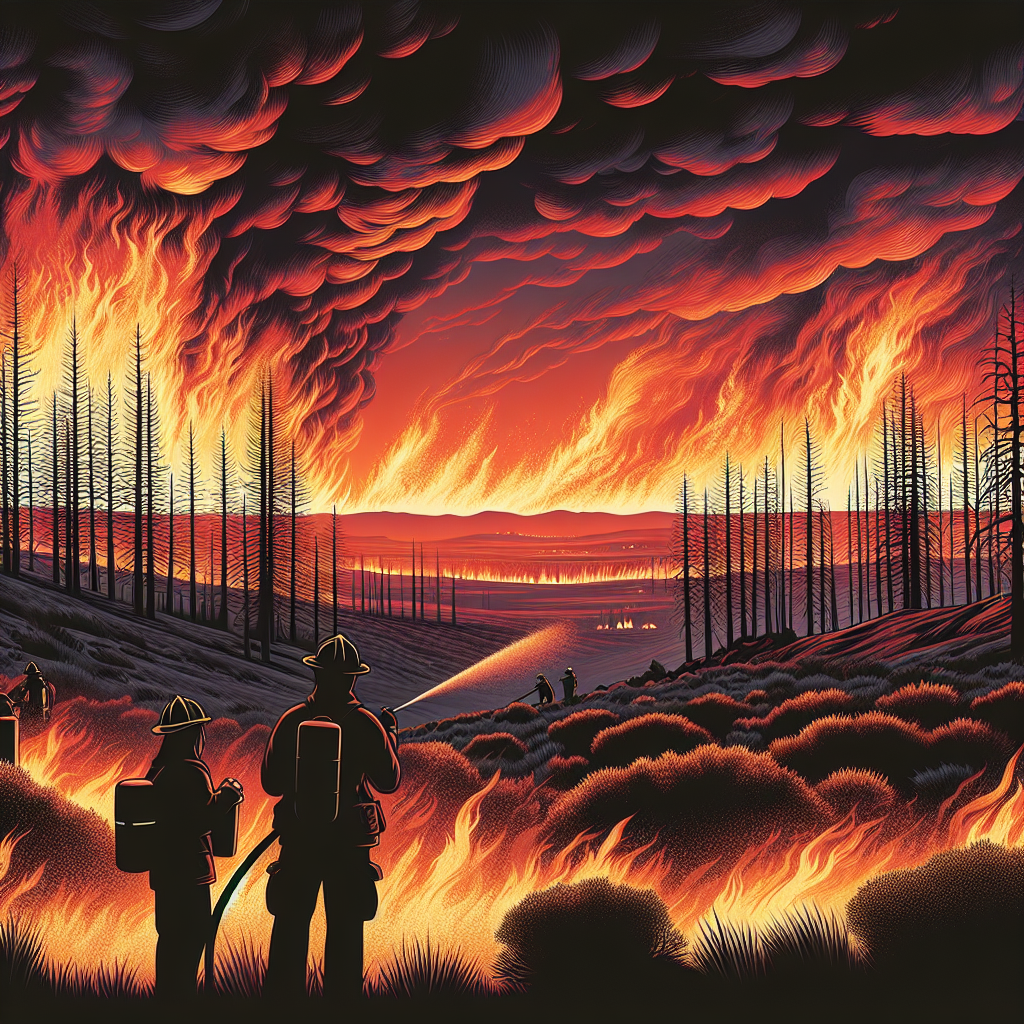
Orange-hued skies and wildfire smoke have become a common sight across North America, with forest fires increasingly ravaging regions due to rising global temperatures. Canada, home to vast intact forests, is battling more wildfires than usual, with the area burned in 2023 alone surpassing the 10-year average.
The causes are multifaceted – Canada's extensive boreal forests, while sparsely populated, are prone to fires started by lightning or human activity. With global warming exacerbating dry conditions, fires have intensified, prompting calls for better firefighting responses and preparations.
Efforts to mitigate the impact, such as closing forest areas and using fire-resistant building materials, are underway. However, as experts push for a centralized federal agency for firefighting coordination, Canada continues to struggle, needing a national approach to tackle its worsening wildfire woes.
ALSO READ
-
Climate Change Could Slash Global GDP 18% by 2100 as Economic Risks Spread Across Borders
-
Hidden Ecological Cost of War Fires Emerging Across Eastern Ukraine’s Fragile Pine Forests
-
African Trade Unions Turn Shared Knowledge into Action for Agricultural Workers
-
More Rain, Less River Water: A Growing Himalayan Hydrology Puzzle
-
The Secret Lives of Roots: Dataset Reveals How Plants Persist, Spread and Rebuild After Disturbance


 Google News