

Thousands of tourists visit Macau, Hong Kong during Golden Week holidays
Mainland Chinese visitors constitute about 80% of visitors to the former Portuguese colony, which has a population of about 700,000 and is the only place in China where casino gambling is legal. Mass gaming revenues have bounced back to pre-COVID levels, however, analysts said, citing a recovery of more than 100%, although earnings in the coveted "big-whale" VIP category was an estimated 15% of before.
- Country:
- China
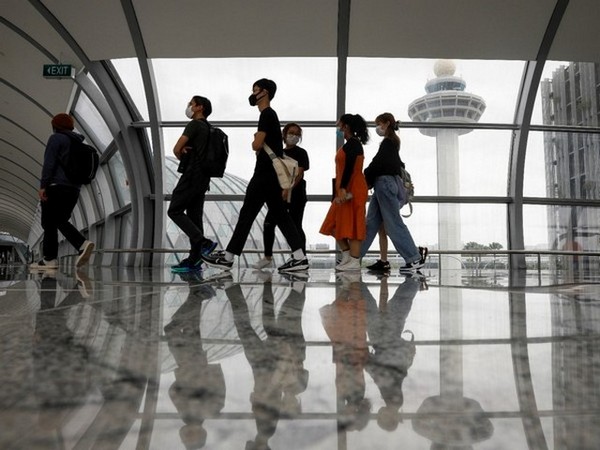
Hundreds of thousands of visitors have flocked to the Chinese-controlled regions of Macau and Hong Kong since Sept. 29, data shows as China wraps up its Golden Week holiday, although the figures amounted to just about 85% of pre-pandemic levels. In the world's biggest gambling hub of Macau, about 900,000 visitors swarmed narrow cobblestoned streets, many to punt in dozens of glitzy casinos, while others took selfie photographs at historic spots such as Senado Square.
During the eight-day national holiday, which runs until Friday, the number of daily visitors has surged more than five times from last year, taking hotel occupancy rates beyond 90%, executives said, speaking on condition of anonymity. Mainland Chinese visitors constitute about 80% of visitors to the former Portuguese colony, which has a population of about 700,000 and is the only place in China where casino gambling is legal.
Mass gaming revenues have bounced back to pre-COVID levels, however, analysts said, citing a recovery of more than 100%, although earnings in the coveted "big-whale" VIP category was an estimated 15% of before. "Things appear pretty in-line with our expectations of 100% plus recovery in mass gross gaming revenue," said D S Kim, an analyst at J.P. Morgan in Hong Kong, comparing with 2019.
In nearby Hong Kong, about 1 million visitors had descended on the financial hub over the period from Sept. 29 to Wednesday, during which 1.4 million residents left, immigration data shows. Retailers said there was a 30% increase in foot traffic but sales were similar to a normal weekend, media reported, signalling the reluctance of some tourists to splurge.
Before anti-government protests in 2019, long queues were common during the holiday period outside luxury stores in the former British colony, long seen as one of the world's top shopping destinations. Tourists from greater China are the main driver of Hong Kong's branded retail and luxury goods market.
Since the pandemic, however, many have changed their pattern of spending, opting for inexpensive dining and activities such as hiking or swimming at the city's many beaches. About half the units are now vacant on prominent Hong Kong shopping streets that attracted 56 million visitors in the days before the pandemic in 2019, real estate companies say.
The store closures followed the anti-government protests that year and a subsequent crackdown, which hit retail sales that were next battered by nearly three years of stringent COVID rules.
ALSO READ
-
At UNSC, India invokes 1943 Bengal Famine to warn of fallout from Ukraine conflict's impact on food
-
“Will move court if no reply within 15 days”: Veer Savarkar’s grandnephew Satyaki Savarkar serves legal notice to Sonia Gandhi over remarks in her memoir
-
"Leader who raised his voice to uphold farmer, worker rights": Mallikarjun Kharge remembers Sir Chhotu Ram on his birth anniversary
-
"West Bengal not a name that should be translated”: WB Minister Dilip Ghosh on proposal to rename state
-
India working on technical fix to bulk Scotch tariff dispute, no rollback of UK trade pact commitments: Commerce Secretary


 Google News