

China's Auto Show Hurdles: Trade Tensions and Autonomous Tech Crackdowns
China's auto show highlights the rise of domestic EV brands amid trade tension and regulatory crackdowns on smart-driving tech marketing. Industry uncertainties are exacerbated by tariffs, impacting global automakers like Nissan. Despite increased sales, foreign brands struggle to compete with China's tech-focused, cost-effective approach.
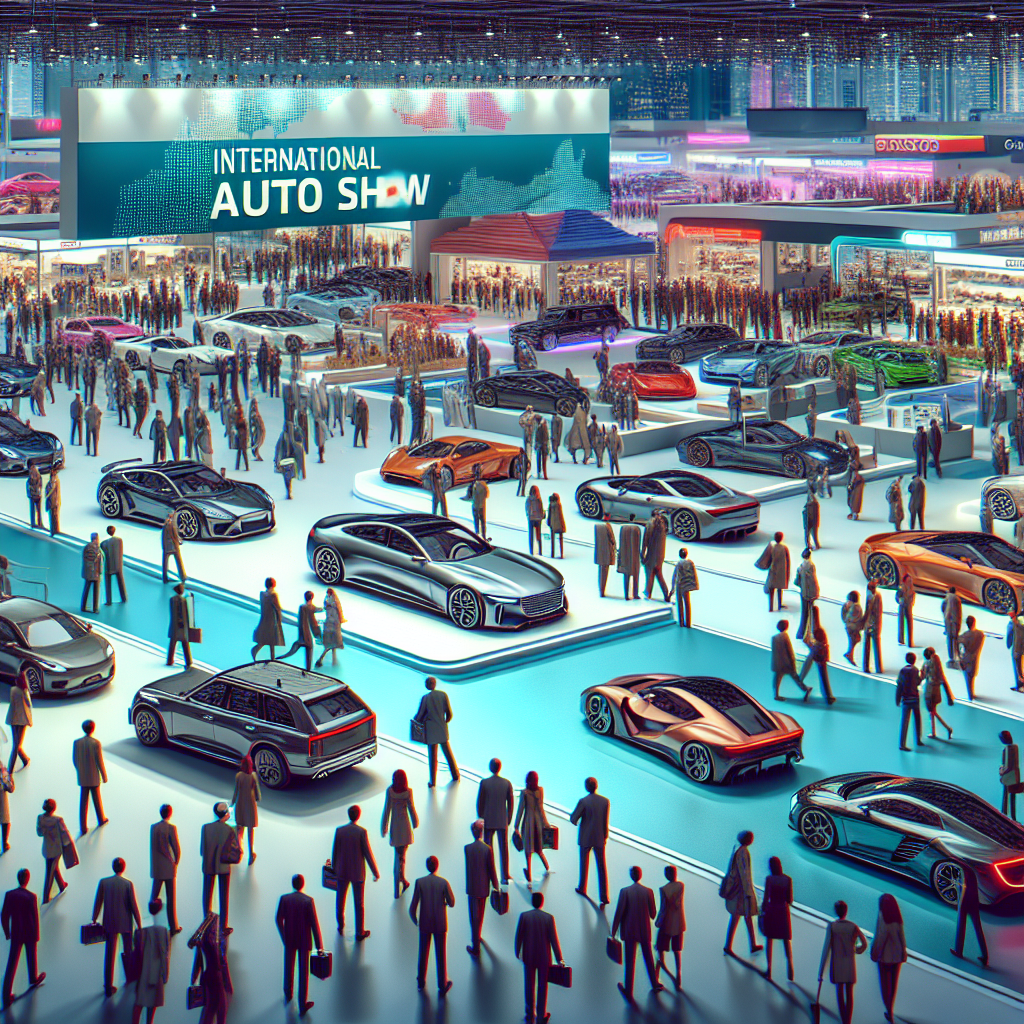
China's annual auto show has once again taken center stage, showcasing the rapid rise of domestic electric vehicle (EV) brands offering cutting-edge, affordable technology. Yet, this year's show is overshadowed by the uncertainty of the U.S.-China trade war, threatening demand and supply chains.
Automakers now face stricter Chinese regulations on marketing smart-driving technologies after a fatal accident involving a Xiaomi EV model and its driver-assistance system. Companies such as Xpeng are pivoting to emphasize safety, launching driver training camps to clarify limitations of these technologies.
While Chinese automakers like BYD are gaining market share, global giants face challenges. U.S. tariffs have curtailed exports, with companies like Nissan and Tesla feeling the impact. As the industry shifts toward electric and autonomous driving, Western automakers must rapidly adapt or risk losing market dominance.
ALSO READ
-
WTO Sets Up Panel on EU Carbon Border Rules as Russia Challenges Restrictions
-
WHO Brings Global Experts Together to Strengthen Herbal Medicine Quality and Safety
-
Human Cost of Faster Work: Chinese Employees Weigh AI’s Promise Against Pay Fears
-
China's August Disasters Yield $5.38 Billion in Losses
-
China Strengthens Military Surveillance in Djibouti


 Google News