

Revolutionizing Roads: The Current and Future Path of Electric Vehicle Batteries
Electric vehicles (EV) are experiencing rapid growth due to advancements in battery technology. Since the 1900s, battery efficiency has greatly improved, allowing EVs to become more practical. Today, innovations like lithium-ion and future technologies such as solid-state and sodium-ion batteries are paving the way for a more sustainable future.
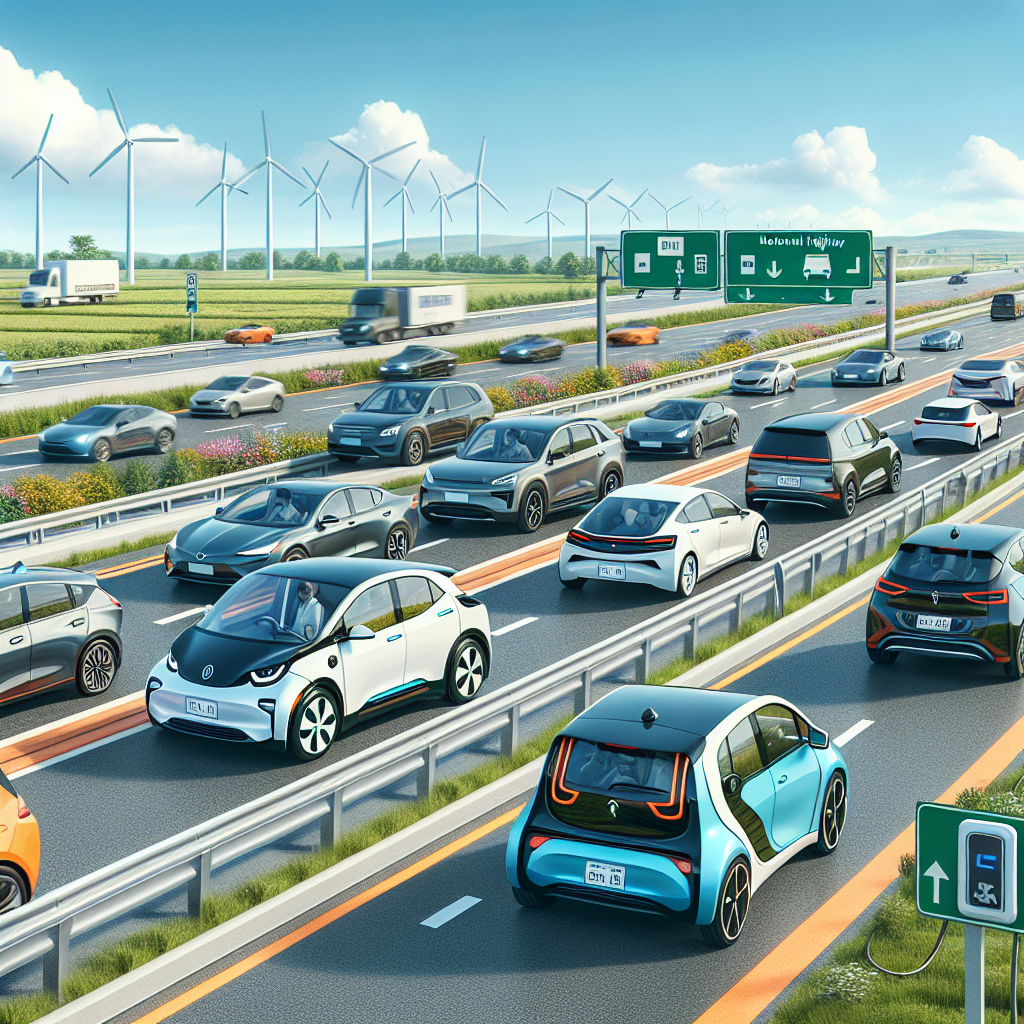
The electric vehicle (EV) industry is charging forward, fueled by significant advancements in battery technology. Once a dominant force in the early 1900s with lead-acid batteries, these vehicles waned as internal combustion engines took over. However, a revolution began in 1998 with the introduction of lithium-ion batteries, drastically improving energy storage capacity.
Today, the shift continues as companies like VinFast leverage these improvements. Innovations in battery chemistry, such as reducing cobalt for high-nickel formulations and adopting lithium iron phosphate (LFP) batteries, are making EVs more efficient and sustainable. The industry reports slower battery degradation, projecting lifespans exceeded by two decades.
Looking ahead, groundbreaking technologies like solid-state and sodium-ion batteries promise to enhance energy efficiency and safety. As these developments quickly gain traction, they signal the potential for EVs to outshine gas-powered cars in reliability and longevity, heralding a new era in transportation.


 Google News