

US$320m World Bank loan to promote green agriculture and rural development in China’s Southwest
The Guangxi Zhuang Autonomous Region and Guizhou province are among the bottom four poorest areas of mainland China's 31 administrative regions.
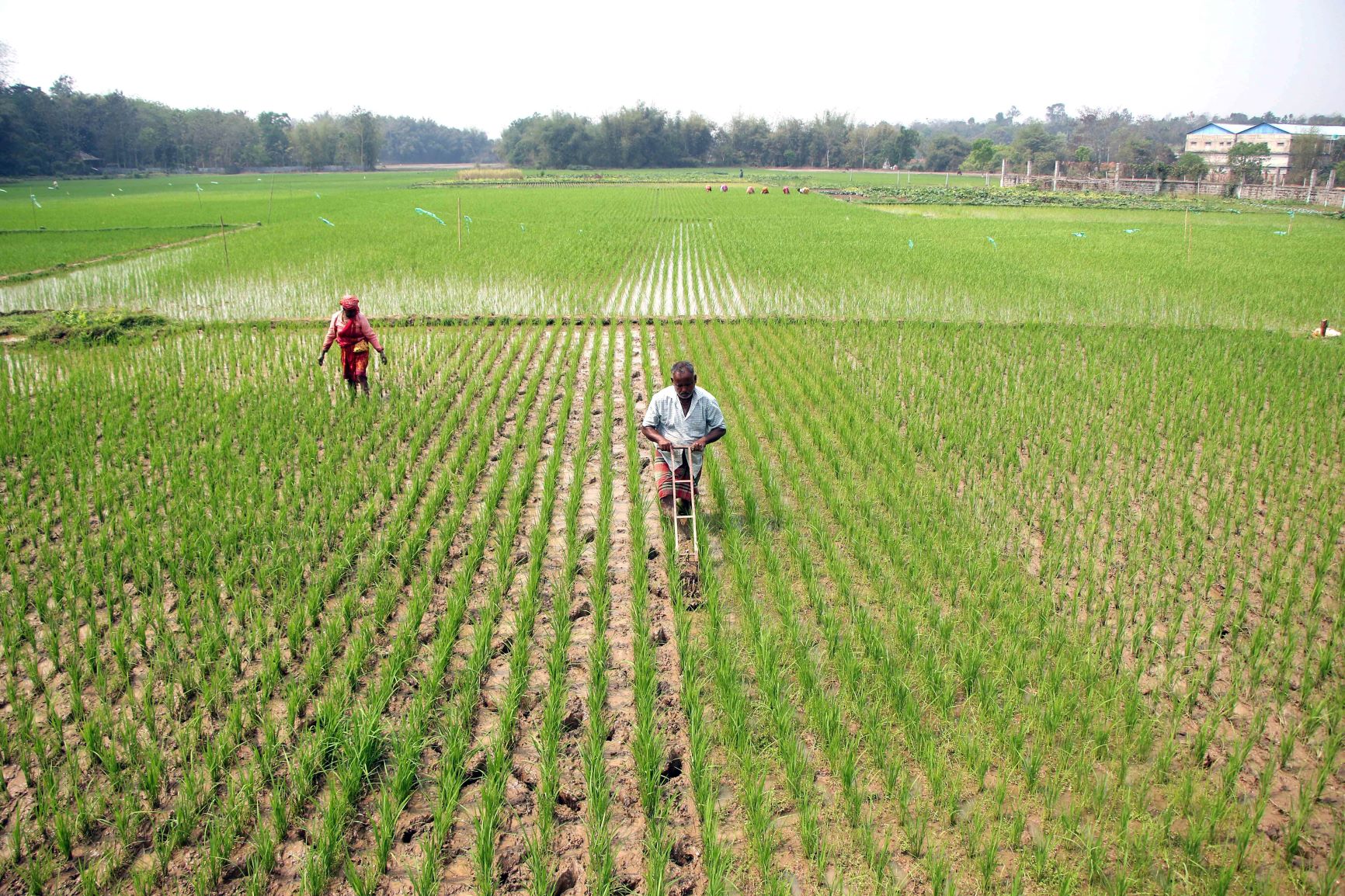
The World Bank's Board of Executive Directors today approved a US$320 million loan to promote green agriculture and rural development in China's Southwest Region. This support will contribute to global public goods, including reducing agricultural plastics pollution and greenhouse gas emissions (GHG) from farming, and improving biodiversity protection and restoration, while strengthening the institutional capacity of local governments to integrate environmental objectives in government rural revitalization plans and investments. The World Bank financing will complement over US$4.69 billion of China's own resources.
The Guangxi Zhuang Autonomous Region and Guizhou province are among the bottom four poorest areas of mainland China's 31 administrative regions. Agriculture continues to represent a sizable part of their economies, with larger than national average rural populations in both provinces. Despite rapid gains in poverty reduction in recent years, two thirds of the rural population have incomes below $5.50 per day, the poverty line for upper middle-income countries. Increasing unsustainable agricultural practices, natural resource degradation and GHG emissions are undermining sustained agriculture and rural growth in these areas.
The program supports the Chinese government ambitious national Rural Revitalization Program (2018-2035), which is implemented through five-year Rural Revitalization Strategic Plans (RRS). The first phase of the current plan focuses on consolidating and sustaining recent gains in the eradication of absolute poverty through green agricultural development and modernization, rural infrastructure and public services delivery, and rural governance improvement. The program will contribute to the achievements of these objectives.
"China's remarkable achievements in rural poverty reduction are at risk unless agricultural practices become more environmentally sustainable," said Martin Raiser, World Bank Country Director for China, Mongolia and Korea. "This program will introduce targets for greening agriculture and at the same time help enhance the effectiveness and impact of the government's rural revitalization program in Guangxi and Guizhou, generating lessons that can be applied nationally."
The program is expected to be 94 percent funded by the government, mostly at the provincial level, to support the achievement of the targeted results. Program activities comprise institutional capacity building at the village and county levels, training and agricultural extension services for farms and cooperatives, financial incentives to farmers and food processing companies to promote climate-smart and greener agriculture technologies and practices, and investments in rural wastewater and solid waste management services. The program also includes investments in monitoring, evaluation and verification of environmental outcomes and supports the development of program-based budgets to better link resource use with outcomes at the local government level.


 Google News