

GSK spins off Haleon in biggest European listing for a decade
The new company, Haleon, becomes the world's biggest standalone consumer health business, home to brands including Sensodyne toothpaste and Advil painkillers. Shares in Haleon started trading at 330 pence on Monday morning, giving the business a market valuation of around 30.5 billion pounds ($36.4 billion).
- Country:
- United Kingdom
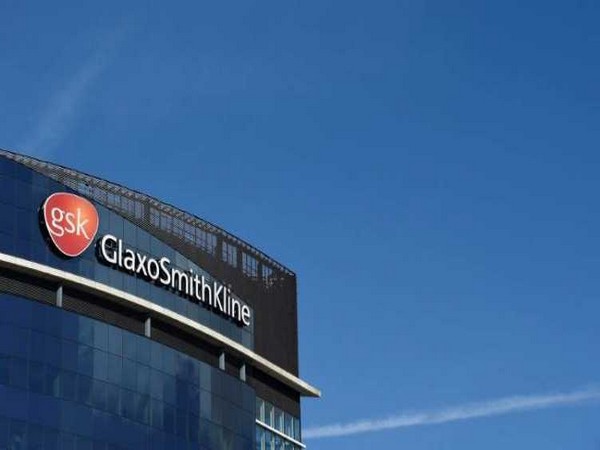
In a long scripted overhaul of its business, British drugmaker GSK spun off its consumer health business on Monday in the biggest listing in Europe for more than a decade. The new company, Haleon, becomes the world's biggest standalone consumer health business, home to brands including Sensodyne toothpaste and Advil painkillers.
Shares in Haleon started trading at 330 pence on Monday morning, giving the business a market valuation of around 30.5 billion pounds ($36.4 billion). There were high hopes for Haleon's market valuation after GSK in January said it had rebuffed a 50 billion pound ($59.52 billion) offer from Unilever on the basis it was too low.
Meanwhile, GSK shares were up more than 1% around 0815 GMT, despite the reduced size of the business following the carve-out. GSK emerges as New GSK, focused solely on vaccines and prescription drugs. The company has been buoyed by recent clinical trial successes, including its potential blockbuster RSV vaccine, and M&A activity.
HALEON Having made about 9.6 billion pounds last year, Haleon is forecast to bring in 10.7 billion pounds in 2022, according to Barclays analysts.
But the company makes its market debut saddled with more than 10 billion pounds in debt. GSK's June forecast for Haleon's annual organic revenue growth of 4% to 6% over the next three to five years exceeded some analysts' expectations.
It was also met with a degree of skepticism among some investors given the 3% to 5% average across the industry, according to Barclays. New GSK
GSK has underperformed relative to its peers in recent years, triggered by a falling share of R&D spending, some clinical failures, and missing out on the lucrative market for the first set of COVID-19 vaccines. As a result, activist investors pushed for an array of changes last year. Now, the company has momentum on its side - its shares have risen 5% this year despite sharp declines in global stock markets.
But there remain questions over its long-term prospects, with the loss of exclusivity of its key HIV drug, dolutegravir, expected by 2028. However, GSK has a long runway to execute and find new drugs, including potentially using part of the 7 billion pounds generated via the Haleon spin-off to fund more deals.
SHARE CONSOLIDATION With the split complete, all GSK shareholders receive one Haleon share for each GSK share they own.
Pfizer will retain its 32% stake in Haleon, which it intends on selling off over time. GSK will hold up to 13.5% in Haleon, while the remaining 54.5% will be owned by GSK shareholders. After the close of trading on Monday, GSK will consolidate its share price to ensure the company's earnings per share and share price can be compared with previous periods, it has said.
($1 = 0.8377 pounds)
ALSO READ
-
Middle Corridor Could Create 2 Million Jobs and Transform Trade in Nine Nations
-
Historic Move: U.S. Army Base in Poland Signals Stronger Alliance
-
Europe on the Brink: Slovak PM Advocates for Peace Amid Rising Tensions
-
Diplomatic Exclusion Raises Alarm in U.S. Military Review
-
Europe's Migration Crisis: Fewer Arrivals, More Fatalities


 Google News