

Kishida's Downfall: Japan's Yen Crisis and Wage Struggles
Fumio Kishida, Japan's Prime Minister, announced his resignation after struggling with low public support and the impact of a weakening yen. Despite pushing for significant wage increases, inflation eroded these gains. His successor faces the challenge of stabilizing the economy and addressing high prices driven by the weak currency.
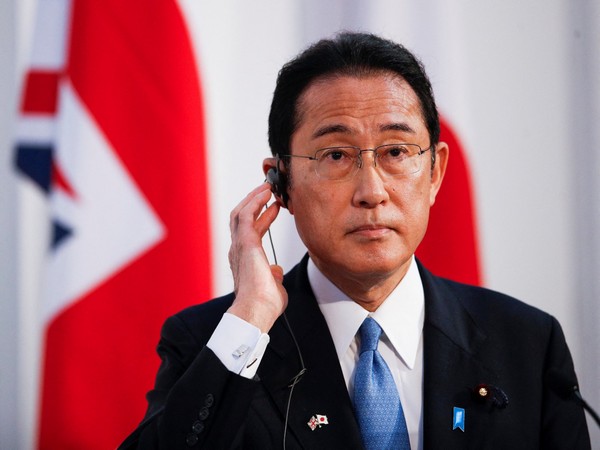
Fumio Kishida has announced his resignation as Japan's Prime Minister, citing months of dwindling public support and the damaging effects of a weakened yen on the economy.
Kishida's administration managed to achieve the largest wage increases in decades, but rampant inflation, fueled by the yen's fall to a four-decade low against the dollar, nullified these gains. This currency depreciation hurt consumer confidence and drove up prices of essentials like food and fuel.
As Kishida steps down, his successor inherits the daunting task of stabilizing the yen and addressing economic challenges. Experts acknowledge the notable wage policies implemented during Kishida's term but emphasize the need for ongoing reforms to ensure Japan's economic stability and growth.


 Google News