

Trade Turmoil: Global Reactions to Trump’s Tariffs Signal Economic Crossroads
US President Trump announces new tariffs, labeling them as 'reciprocal.' Key trading partners, including the UK, Italy, and China, respond cautiously, aiming to prevent a trade war. Financial markets drop while countries like Brazil and South Korea prepare retaliatory measures. Analysts doubt benefits of a full trade war.
- Country:
- United States
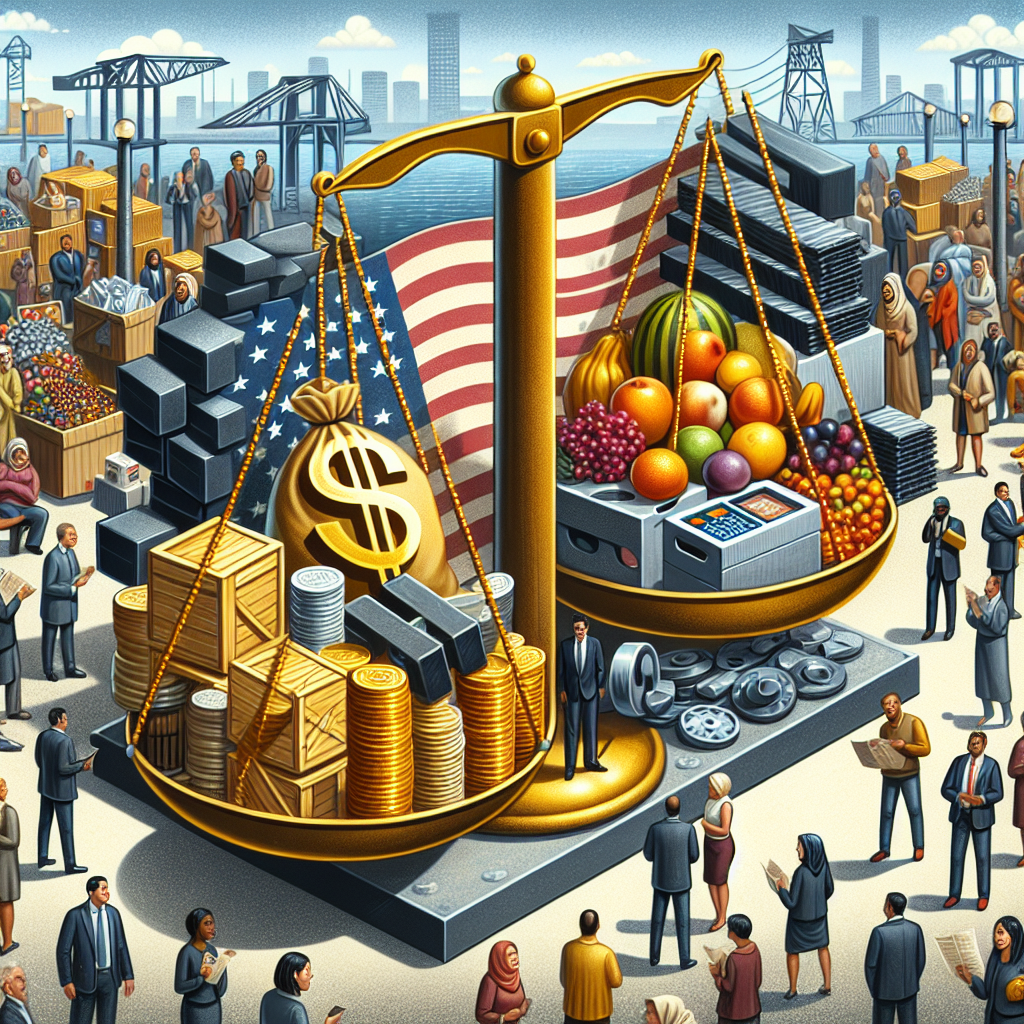
In a move that's rattled global markets, US President Donald Trump unveiled sweeping new tariffs on Wednesday, labeling them as 'reciprocal' measures. The tariffs, ranging from 10% to 49%, have sparked varied reactions from international partners, with the UK, under Business Secretary Jonathan Reynolds, labeling the US as a 'closest ally' but still eyeing negotiations to mitigate the tariffs' impacts.
Italy and China, among others, are poised for retaliation, with Italian Premier Giorgia Meloni calling the 20% tariffs on the European Union as 'wrong.' Brazil is contemplating action via the World Trade Organization and has prepped a reciprocity bill to strike back against tariffs imposed on its goods. South Korea and China are also strategizing with local businesses to minimize the impact of the tariff hikes.
Despite President Trump's framing of the tariffs as necessary for national security, global leaders like Australia's Prime Minister Anthony Albanese have questioned their logic. Meanwhile, Mexico and Canada, shielded under current trade agreements, are cautious yet closely monitoring the evolving trade tensions. Analysts warn there is little advantage to a full-blown trade war, which could destabilize the existing international trade regime.


 Google News