

India's GST 2.0 Reforms Herald Manufacturing Surge
India's GST 2.0 reforms are set to boost manufacturing and sales-led employment, reducing tax burdens on essential consumer goods. The new tax regime aims to enhance domestic production, reclassifying goods to lower tax rates and paving the way for economic growth and self-sufficiency.
- Country:
- India
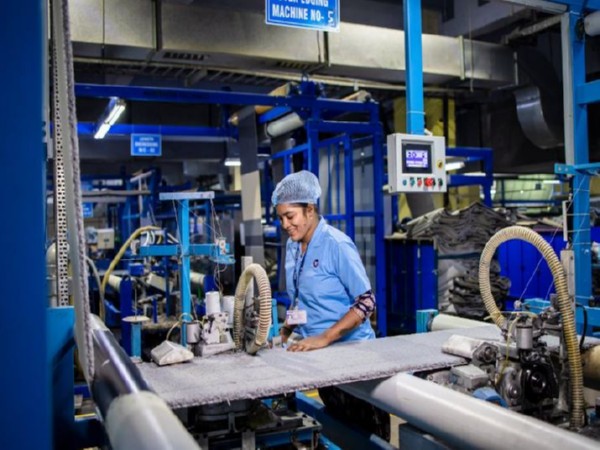
The Indian government’s recent introduction of GST 2.0 has prompted a groundswell of optimism about its potential to revitalize the country's manufacturing sector. Key industry experts believe this reform will not only bolster manufacturing output but also significantly increase employment in sales-driven roles across India.
Lohit Bhatia from Quess Corp emphasized the government's strategic focus on alleviating the indirect tax pressure on essential consumer goods. This adjustment comes at a critical juncture as domestic demand struggles under high interest rates, mild summer weather, and devastating floods, marking a bold step announced by Prime Minister Narendra Modi on Independence Day.
The reform aims to reduce everyday expenses by slashing GST rates on common household items from 18% to 5%. Similarly, rates on select dairy and packaged snacks have been halved, pushing India towards reduced import reliance and increased self-sufficiency, as highlighted by executives from Nutrica and Teamlease Regtech.
ALSO READ
-
Cleaner Kitchens, Polluted Skies: Hidden Health Cost of India’s Electricity Boom
-
Japan-Backed ILO Projects Help 23,000 Workers Gain Rights and Fight Child Labour
-
India's Delicate Balancing Act: Navigating Energy Security Amid Middle Eastern Tensions
-
India Gears Up for Glory: Asian Games 2026 Preview
-
India Defends Energy Policy Amidst Rising Tariff Threats from U.S.


 Google News