

India Expands Opium Crop Licensing to Boost Pharmaceutical Alkaloid Production
The Union Government has announced the annual licensing policy for the 2025-26 opium crop year, expanding the number of licensed farmers by 23.5%. The policy aims to boost alkaloid production for essential drugs while ensuring farmers' participation increases and incorporates digital transition measures to enhance inclusivity.
- Country:
- India
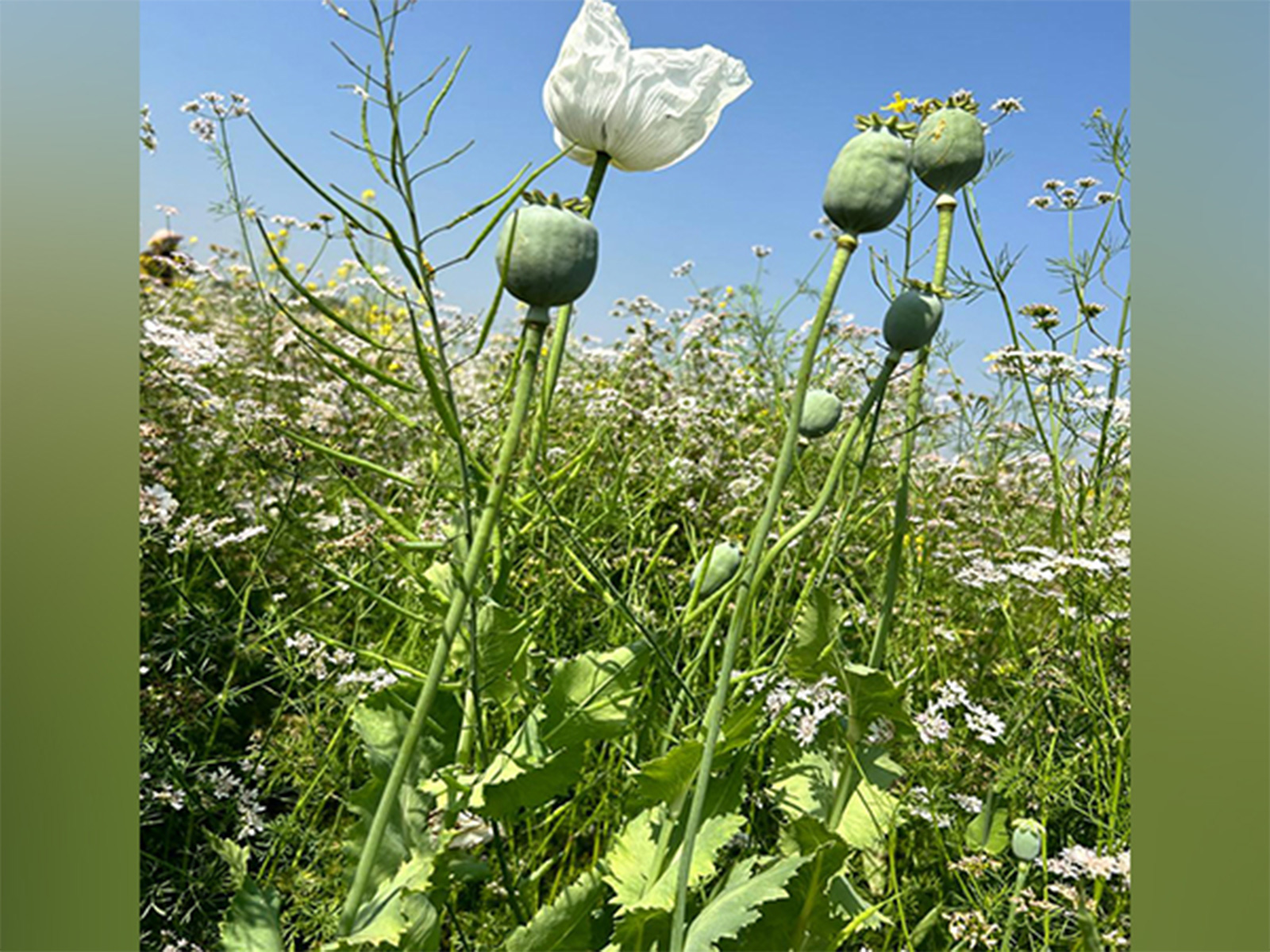
In an effort to boost the production of pharmaceutical alkaloids, the Union Government has unveiled the 2025-26 opium crop licensing policy, covering the period from October 1, 2025, to September 30, 2026. This initiative primarily targets the states of Madhya Pradesh, Rajasthan, and Uttar Pradesh, expanding cultivation licenses by 23.5%, thereby enabling nearly 1.21 lakh farmers to participate.
The policy introduces significant changes, including retaining opium gum cultivators with an average morphine yield (MQY-M) of 4.2 kg per hectare or more, while those with yields between 3.0 kg and 4.2 kg per hectare may switch to the Concentrate of Poppy Straw (CPS) method. Existing data digitization efforts since 1995-96 aim to empower marginal farmers by easing access to licenses.
The Government's agenda includes enhancing processing capacities to meet alkaloid demands for palliative and medical drugs, as well as incentives for high-yield farmers. However, licenses will be suspended for those under CPS cultivation failing to meet the minimum yield threshold, highlighting a commitment to efficiency and modernization.
ALSO READ
-
Japanese Lawmakers Visit India to See Worker Protection and Skills Projects in Action
-
Indian Unions Push for Fair Recruitment and Rights for Care Workers in Germany
-
Cleaner Kitchens, Polluted Skies: Hidden Health Cost of India’s Electricity Boom
-
Japan-Backed ILO Projects Help 23,000 Workers Gain Rights and Fight Child Labour
-
India's Delicate Balancing Act: Navigating Energy Security Amid Middle Eastern Tensions


 Google News