

AfDF Grants $9.48M to Boost Climate Resilience in Sahel Wetland Ecosystems
The project is financed through the Climate Action Window, the AfDF’s dedicated mechanism for supporting climate adaptation in low-income African countries.
- Country:
- Ivory Coast
The Board of Directors of the African Development Fund (AfDF) has approved a $9.48 million grant to launch the Community and Ecosystem Resilience and Adaptation in the Wetlands of the Sahel Catchment Basins Project — a major regional climate resilience initiative targeting some of the most fragile ecosystems in West Africa. The project is financed through the Climate Action Window, the AfDF's dedicated mechanism for supporting climate adaptation in low-income African countries.
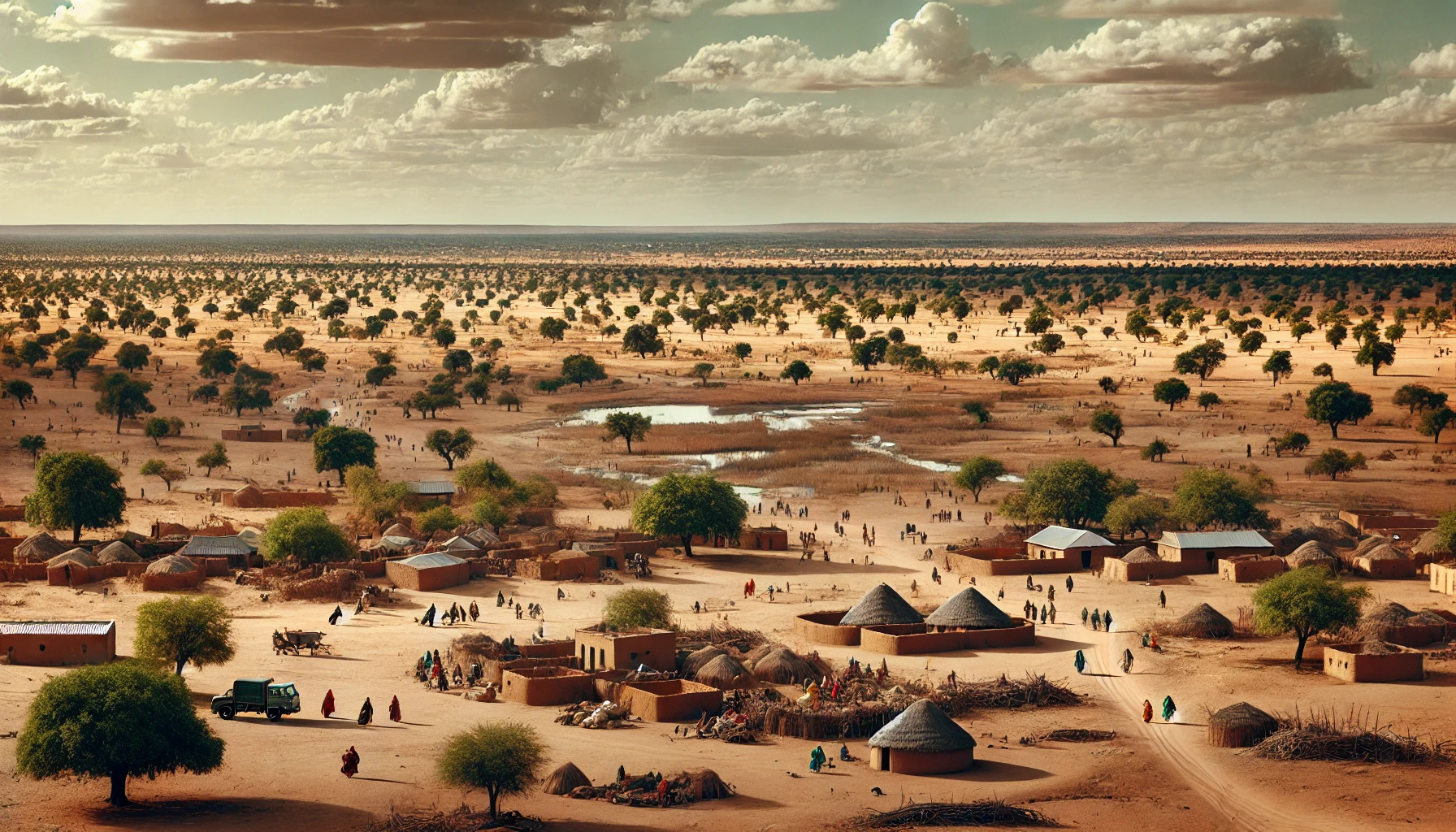
The new investment will strengthen ecological protection, boost climate resilience, and support communities across Burkina Faso, Mali, Niger, and Senegal, all of which rely heavily on the Sahel's wetland ecosystems for agriculture, livestock, fishing, and livelihoods. These wetlands — vital sources of water, biodiversity, and food security — face mounting pressures from climate change, population growth, overuse of natural resources, and decades of inadequate environmental governance.
Wetlands Under Threat: A Regional Crisis
The Sahel's river catchments, including the Volta, Niger, and Senegal basins, have experienced accelerated degradation driven by drought, erratic rainfall, loss of vegetation cover, and unsustainable exploitation practices. Agro-sylvo-pastoral systems — the integrated use of land for agriculture, forestry, and pasture — have become more vulnerable as communities struggle with declining soil fertility, water scarcity, and weakened natural resources.
Fisheries, a key livelihood in many Sahelian wetlands, are also threatened by shrinking water bodies, rising temperatures, and habitat destruction. Without urgent intervention, the region faces heightened food insecurity, declining ecosystem services, and increased competition for dwindling resources.
Four Integrated Components to Build Ecosystem and Community Resilience
The new AfDF grant will support a four-component approach that combines scientific research, community empowerment, local governance, and climate monitoring systems.
1. Strengthening Ecosystem Conservation and Understanding Climate Vulnerability
The first project component focuses on improving the conservation and sustainable management of fragile Sahelian ecosystems. This includes:
-
Conducting a comprehensive vulnerability assessment of eight wetland sites
-
Engaging local communities, traditional authorities, and conservation groups
-
Identifying priority green economy opportunities
-
Supporting women's and youth groups in nature-based livelihoods
These studies will guide targeted interventions, such as reforestation, soil restoration, water management, and sustainable income-generating activities.
2. Promoting Sustainable Water Management, Agroforestry, and Fisheries
The second component aims to improve how water resources are used and governed, while strengthening climate-resilient agricultural and fishing practices. Activities include:
-
Developing community-managed irrigation schemes
-
Expanding agroforestry systems to restore degraded lands
-
Supporting sustainable fisheries management in vulnerable wetland communities
-
Strengthening village-level governance structures to ensure equitable resource use
This component empowers communities to manage ecosystems more effectively and increase their resilience to climate shocks.
3. Building Regional Climate Services and Early Warning Systems
The third component supports the Climate Commission for the Sahel Region (CCRS) in building robust climate services and emergency response capabilities. The work will include:
-
Developing localized early warning systems for floods, droughts, and storms
-
Strengthening climate data collection and analysis
-
Training local institutions on risk management and climate adaptation
-
Enhancing regional coordination across the Sahel
Improved early warning systems will help communities prepare for climate hazards, reducing loss of life, livestock, and crops.
4. Ensuring Strong Governance, Coordination, and Knowledge Sharing
The fourth component establishes a regional Project Management Unit (PMU) under the CCRS to ensure:
-
Effective implementation and project supervision
-
Transparent financial and administrative management
-
Regular meetings of regional and national steering committees
-
Performance monitoring, evaluation, and reporting
-
Exchanges of best practices across the four countries
This governance framework will ensure accountability, efficient delivery, and long-term sustainability of project outcomes.
Country-Specific Interventions Across the Sahel
The initiative targets ecologically important and climate-sensitive wetlands in all four participating countries:
Burkina Faso
-
Oubri and Kuilsé regions
-
Interventions focus on the Volta and Niger cross-border basins
Mali
-
Bougouni (Yanfolila) region
-
Activities include restoration of six protected areas, including classified forests, wildlife reserves, and wetlands
Niger
-
Two Ramsar-designated wetlands:
-
Dallol Bosso
-
Mare de Tabalak
-
-
Both sites form part of the Niger River basin and are essential for biodiversity and pastoralism
Senegal
-
Senegal River Biosphere Reserve
-
Work concentrated in the Saint-Louis and Dagana departments
These areas host tens of thousands of households whose livelihoods directly depend on agriculture, livestock, fishing, and seasonal wetland resources.
Strengthening Community Resilience Across the Sahel
The Sahel remains one of the regions most vulnerable to climate change, with increasing drought frequency, land degradation, and unpredictable rainfall patterns undermining economic stability and food production. Wetlands — the backbone of water security in the region — are central to sustaining life and biodiversity.
This new AfDF-funded project represents a strategic investment in climate adaptation, ecological protection, and rural resilience. By empowering communities and strengthening ecosystems, the project aims to:
-
Improve food security
-
Restore degraded landscapes
-
Protect biodiversity
-
Support sustainable livelihoods for women and youth
-
Reduce vulnerability to climate hazards
-
Enhance regional environmental governance
The initiative also reinforces the African Development Bank Group's broader climate agenda through the Climate Action Window, which mobilizes resources for adaptation, resilience, and nature-based solutions in Africa's most climate-exposed regions.
ALSO READ
-
African Development Bank Steps Up Push to Deliver Roads, Airport and Services in CAR
-
Benin Unlocks €500 Million Development Push as Global Banks Back Jobs, Energy and Growth
-
Benin Secures €500 Million Financing to Expand Public Services and Create More Jobs
-
Sudan’s BOOST Project Targets 232,000 Farmers to Rebuild Food Security
-
Eritrea Secures $9.82 M Grant to Bring Water Closer and Strengthen Rural WASH


 Google News