

African Development Fund Approves $14.64M Grant to Boost Sahel Resilience
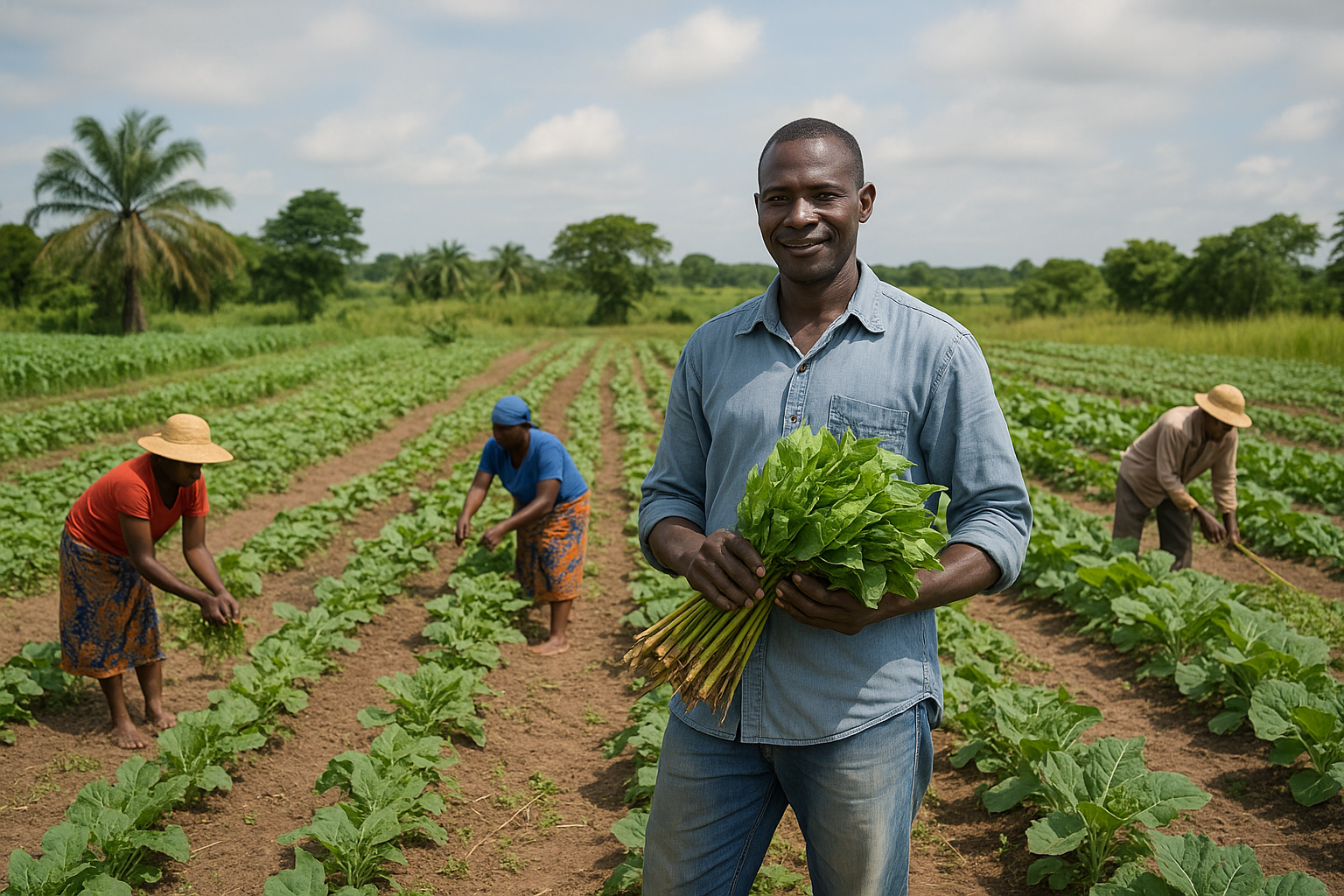
The climate-smart village model has gained international recognition for helping rural communities adapt effectively to climate stressors while improving productivity and food security.
- Country:
- Ivory Coast
The Board of Directors of the African Development Fund (ADF) has approved a $14.64 million grant to support Project 2 of the Programme to Strengthen Resilience to Food and Nutrition Insecurity in the Sahel (P2-P2RS). The approval was formalized on 21 November 2025 in Abidjan, marking a significant advancement in regional efforts to protect vulnerable communities from escalating climate impacts.
The additional financing is channelled through the Climate Action Window, the African Development Fund's climate-dedicated financing mechanism designed to accelerate climate adaptation, resilience, and long-term sustainability across Africa.
Building Climate-Resilient Communities Across the Sahel
The newly approved grant seeks to strengthen the adaptive capacity and resilience of Sahelian communities as they face a rise in climate-induced hardships such as droughts, floods, soil degradation, and rising temperatures.
The project adopts a dual strategic approach:
-
Scaling up climate-smart villages centered around hydro-agricultural infrastructure
-
Improving access to climate information for informed decision-making
This approach directly supports farmers, pastoralists, women, and youth—those most impacted by food insecurity and climate volatility.
Expanding Climate-Smart Villages Across 30 Municipalities
The grant will support activities across 30 municipalities and aid the creation of 60 new climate-smart villages. These villages will serve as demonstration hubs where communities adopt integrated climate-resilient agricultural practices, including:
-
Water-efficient irrigation systems
-
Drought-tolerant crop varieties
-
Soil regeneration and conservation techniques
-
Sustainable livestock management
-
Community-led natural resource governance
The climate-smart village model has gained international recognition for helping rural communities adapt effectively to climate stressors while improving productivity and food security.
Strengthening the Sahel's Regional Seed System
Access to improved, climate-resilient seeds is foundational to agricultural adaptation. The project will significantly expand the Sahel's seed infrastructure through:
-
Updating the Regional Catalogue of Species and Varieties
-
Establishing a regional business-to-business seed networking portal
-
Enhancing seed multiplication capacity of national research systems
-
Supporting seed companies to scale production of resilient, high-yield varieties
These measures aim to ensure a steady supply of quality seeds to climate-smart villages, boosting agricultural productivity across the region.
Empowering Women and Youth Through Capacity-Building
Recognizing that women and youth are indispensable to agricultural transformation, the project includes targeted initiatives to:
-
Strengthen entrepreneurial and technical skills
-
Improve access to climate-adaptive technologies
-
Enhance leadership roles in community resilience structures
-
Create livelihood opportunities in seed production, agro-processing, and climate services
This aligns with broader African Development Bank goals to promote inclusive growth and reduce inequalities.
Enhancing Climate Data Systems and Real-Time Decision Support
A core component of the project is strengthening regional climate observation and data systems. The grant will fund:
-
Improved data collection networks for weather, water, and soil metrics
-
A new integrated digital platform for real-time data collection, management, and dissemination
-
A regional loss and damage monitoring system
-
Standardized loss and damage reporting for Sahelian countries
-
A multi-scale data management platform to centralize climate impact reporting
These advancements will enable governments, farmers, and regional institutions to make timely, data-driven decisions for early warning, planning, and disaster response.
A Critical Boost for Food Security and Climate Adaptation
The Sahel remains one of the world's most climate-vulnerable regions, facing a convergence of:
-
Increasing drought cycles
-
Declining agricultural productivity
-
Land degradation
-
Population pressures
-
Rising food and nutrition insecurity
The ADF's Climate Action Window contribution to P2-P2RS is expected to significantly enhance resilience-building efforts and reduce vulnerability of millions living in the Sahelian belt.
Part of a Larger Vision for Regional Stability and Sustainability
The Programme to Strengthen Resilience to Food and Nutrition Insecurity in the Sahel (P2-P2RS) is a multi-country initiative supporting:
-
Regional cooperation across agriculture
-
Climate adaptation planning
-
Natural resource management
-
Improved nutrition outcomes
The newly approved grant underscores the African Development Fund's commitment to regional transformation through climate-smart solutions, inclusive development, and sustainable agriculture.
ALSO READ
-
African Development Bank Steps Up Push to Deliver Roads, Airport and Services in CAR
-
Benin Unlocks €500 Million Development Push as Global Banks Back Jobs, Energy and Growth
-
Benin Secures €500 Million Financing to Expand Public Services and Create More Jobs
-
Sudan’s BOOST Project Targets 232,000 Farmers to Rebuild Food Security
-
Eritrea Secures $9.82 M Grant to Bring Water Closer and Strengthen Rural WASH


 Google News