

Bund Breather: European Bond Yields Reflect Fiscal Strategies Amid Policy Stability
Germany's 10-year Bund yield held steady, reflecting years of fiscal policy decisions and global trade tensions noted by Trump's tariff changes. The European Central Bank maintains its policy stance, stabilizing market volatility. Strategists anticipate economic developments influencing government bonds across Europe, with steady yields and budget policies in focus.
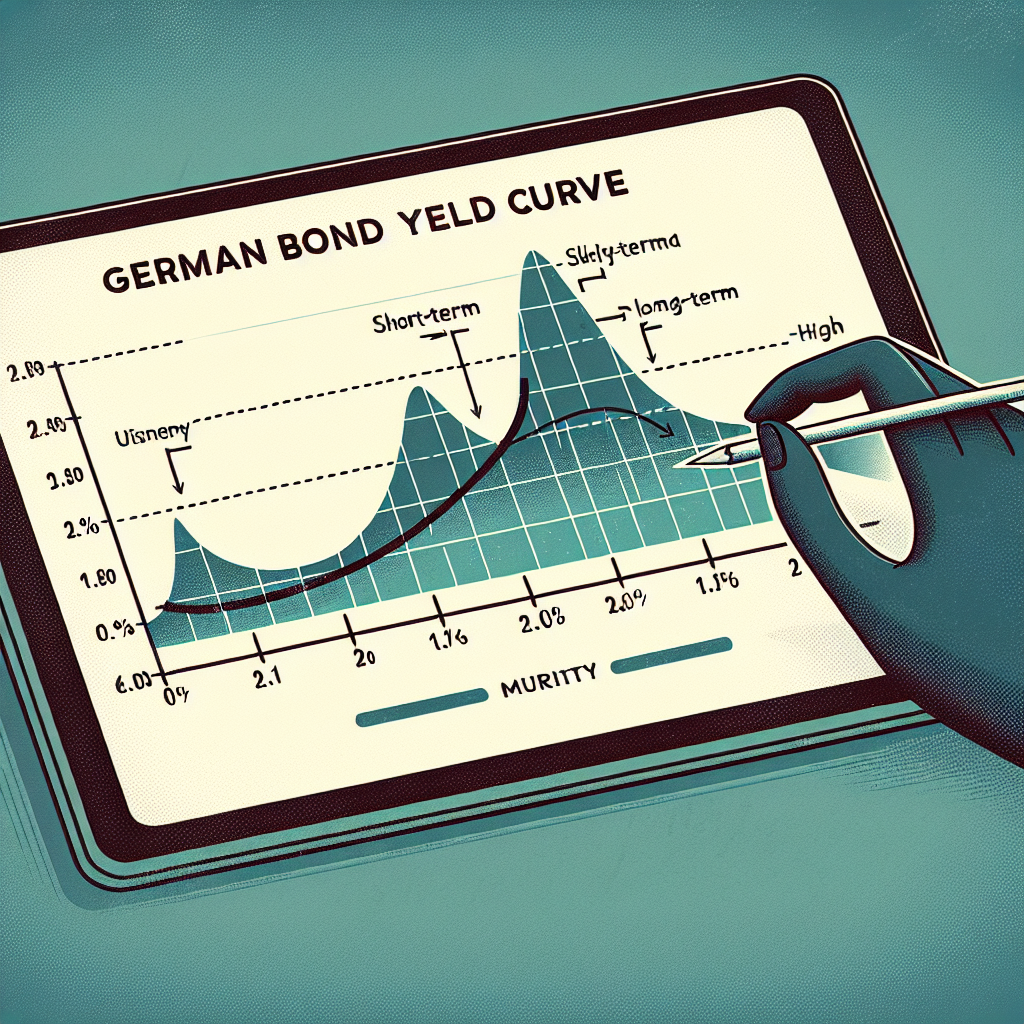
Germany's 10-year government bond yields saw minimal movement on Tuesday, maintaining proximity to their highest levels since March. This follows Germany's fiscal policy shifts and heightened global trade tensions, highlighted by President Donald Trump's recent tariff announcements targeting South Korean imports.
Despite a slight dip in Germany's 10-year Bund yield to 2.864%, the finance ministry noted that Germany's borrowing for 2025 fell short of budget expectations, aided by unexpected financial inflows. Meanwhile, volatility in the bond market has eased, with investors calmed by the European Central Bank's consistent policy approach.
ECB policymaker Gediminas Simkus anticipates no immediate changes in bank rates, though uncertainty lingers past February. Current trends in European government bonds show tight spreads, especially among Italian and French variants, signaling a carry-positive environment. Strategists like Michiel Tukker foresee eventual spread adjustments, though immediate catalysts appear lacking.


 Google News