

World Bank Backs Madagascar Cities with $225 Million Investment
Madagascar's cities have been repeatedly affected by severe weather, with Cyclones Fytia and Gezani causing damage equivalent to 3.4% of the country's GDP in early 2026.
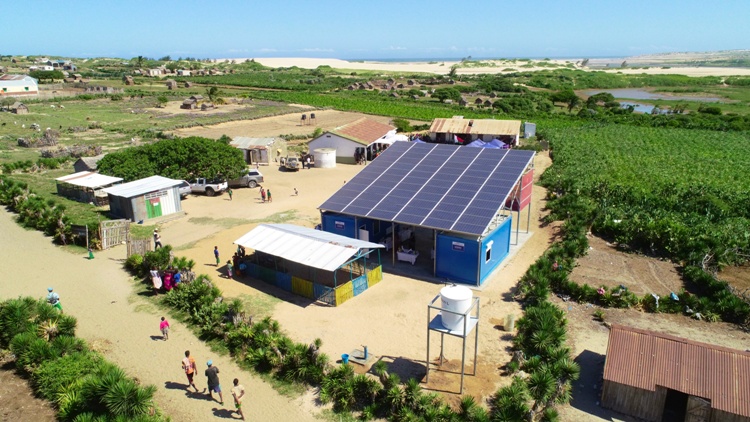
The World Bank Group has approved US$225 million in financing to help Madagascar strengthen climate resilience, improve urban infrastructure and create thousands of jobs through the Integrated Urban Development and Resilience Project for Jobs (PRODUIRE2). The project will focus on Greater Antananarivo and Greater Toamasina, two rapidly growing urban centres facing increasing pressure from climate-related disasters and urban poverty. The investment aims to make cities safer while expanding economic opportunities, improving public services and supporting long-term sustainable development.
Project targets flood protection and resilient rebuilding
Madagascar's cities have been repeatedly affected by severe weather, with Cyclones Fytia and Gezani causing damage equivalent to 3.4% of the country's GDP in early 2026. In Toamasina alone, Cyclone Gezani damaged around 70% of the housing stock, leaving thousands of families without secure homes.
Building on previous World Bank-supported urban resilience programmes, PRODUIRE2 will expand flood protection systems, improve drainage networks, strengthen solid waste management and upgrade neighbourhood infrastructure across Greater Antananarivo. In Greater Toamasina, the project will focus on rebuilding climate-resilient homes while restoring essential public facilities, including schools and healthcare centres.
By 2032, the programme aims to provide climate-resilient infrastructure for 1.5 million people, rebuild 20,000 homes to stronger standards, issue land documentation for 50,000 properties and create approximately 17,000 jobs, helping stimulate private investment and local economic growth.
Land reforms to support investment and women's rights
A major component of the project addresses insecure land ownership, one of the biggest obstacles to urban development in Madagascar. Nearly half of the land in Antananarivo lacks formal land titles, making investment and property transactions difficult.
PRODUIRE2 will support land regularisation and introduce digital land administration services to simplify registration and improve legal recognition of property ownership. The programme also places a strong emphasis on gender inclusion, with at least 40% of newly issued land documents expected to include women as sole or joint rights holders.
Madagascar's Minister of Economy and Finance, Dr Herinjatovo Ramiarison, said better-functioning cities will improve people's quality of life by creating safer neighbourhoods, expanding economic opportunities and supporting local businesses while helping families build more secure futures.
Long-term partnership to strengthen urban resilience
World Bank Country Manager for Madagascar Atou Seck said the project will help communities recover from the destruction caused by Cyclone Gezani while preparing cities to better withstand future climate shocks. He highlighted plans to rebuild the University of Barikadimy, which suffered extensive cyclone damage, to higher resilience standards so it can continue serving future generations of students. In Antananarivo, investments in flood-control infrastructure, including improvements to the Canal C3 ter and Canal C3 bis, together with stronger waste management systems, are expected to reduce flood risks during the rainy season.
The World Bank said PRODUIRE2 reflects its long-term partnership with the Government of Madagascar to make Antananarivo and Toamasina more resilient, inclusive and economically dynamic. The project also receives technical support from the Global Facility for Disaster Reduction and Recovery (GFDRR) and the Quality Infrastructure Investment (QII) Partnership, funded by the Government of Japan, to strengthen disaster risk management, urban resilience and infrastructure quality across Madagascar.
ALSO READ
-
World Bank Backs Tonga’s Push for Better Jobs and Business Growth With $15M Grant
-
Clean Energy’s $2 Trillion Funding Challenge Puts People and Nature in the Spotlight
-
World Bank Approves $110 Million to Rebuild Sri Lanka’s Cyclone-Hit Roads and Lives
-
Vienna’s Vegetable Garden Shows Why Local Voices Matter in Climate Adaptation Plans
-
World Bank’s $1.5 Billion Sustainable Development Bond Draws Strong Global Demand


 Google News