

U.S. Port Fees Propel Germany's Export Advantage
A study suggests Germany could see a 2% boost in exports to the U.S. due to planned port fees on Chinese-built ships. The fees aim to counter China's shipbuilding dominance but may inadvertently harm U.S. competitiveness while benefiting nations like Germany, which rely less on Chinese vessels.
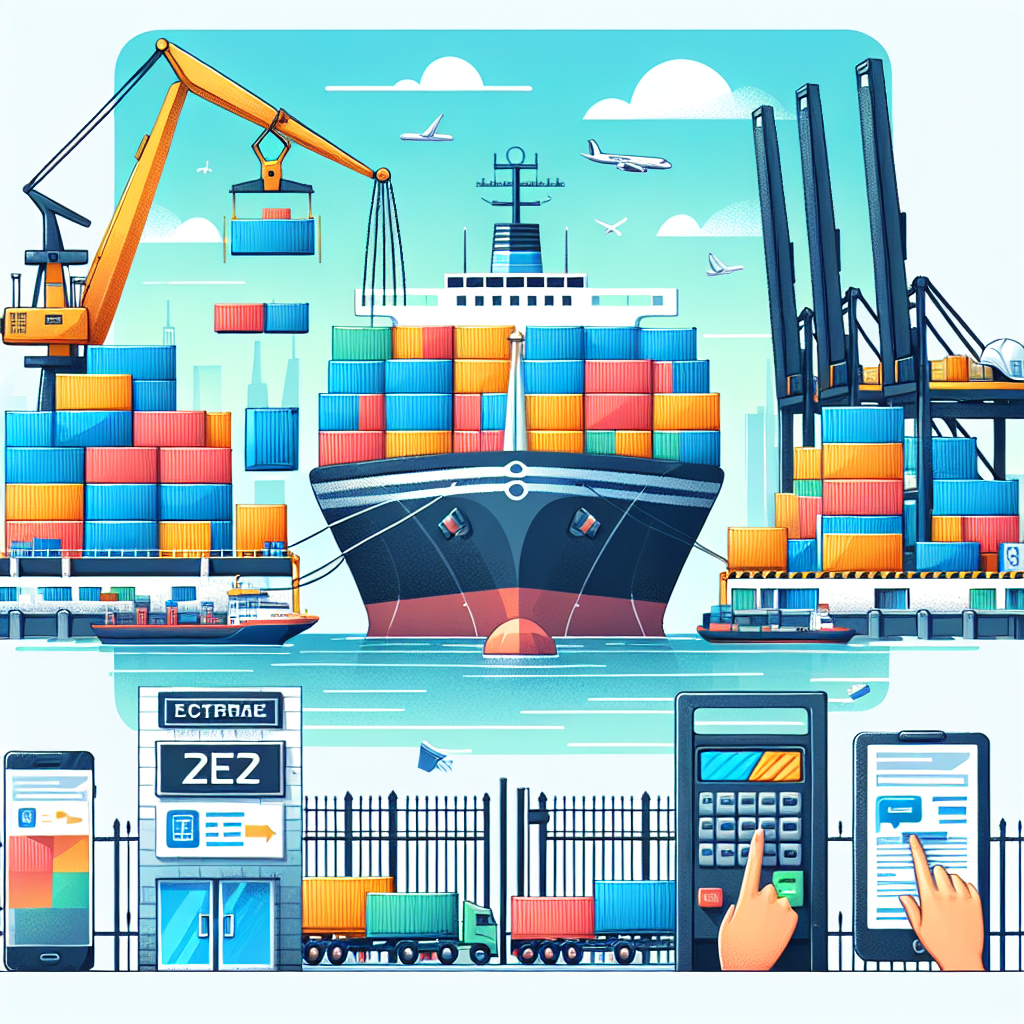
Germany stands to gain a competitive edge with a predicted 2% rise in exports to the United States, driven by upcoming U.S. port fees targeting Chinese-built merchant ships. This development stems from a study conducted by the German Institute for Economic Research (DIW), as reported by Reuters.
The new U.S. fees, slated for introduction in November, seek to mitigate China's dominance in the shipbuilding sector, citing national security risks. German shipping fleets, which use fewer Chinese-built vessels compared to some competitors, could capture greater market share in the U.S.
Conversely, the study anticipates that these tariffs may backfire on the U.S. economy. DIW economist Sonali Chowdhry noted that the fees elevate input costs, reducing U.S. manufacturers' competitiveness and diminishing demand for foreign imports. This policy could affect various countries differently, with EU nations like Finland, Denmark, and Poland, as well as emerging economies, potentially facing substantial export declines.
ALSO READ
-
Indian Unions Push for Fair Recruitment and Rights for Care Workers in Germany
-
WTO Sets Up Panel on EU Carbon Border Rules as Russia Challenges Restrictions
-
WHO Brings Global Experts Together to Strengthen Herbal Medicine Quality and Safety
-
Human Cost of Faster Work: Chinese Employees Weigh AI’s Promise Against Pay Fears
-
China's August Disasters Yield $5.38 Billion in Losses


 Google News