

IDB Backs Cleaner Power for Bolivia’s Amazon Region
The plan forms part of the IDB’s Amazonia Forever regional initiative and its South Connection programme, which promote energy integration across South America.
- Country:
- United States
The Inter-American Development Bank has approved a $204.2 million financing package to improve electricity access, reliability and affordability across Bolivia's Northern Amazon Region, where several cities and remote communities still depend heavily on isolated diesel-powered systems. The investment will support stronger links with neighbouring Brazil, upgraded local power networks and new solar generation with energy storage. Around 209,000 people in the departments of Beni and Pando are expected to benefit from the programme.
The plan forms part of the IDB's Amazonia Forever regional initiative and its South Connection programme, which promote energy integration across South America. It will connect Cobija's isolated electricity system to the distribution network in Brazil's Acre state.
Similar connections are planned for Guayaramerín and Riberalta, linking them with the power distribution system in Brazil's Rondônia state. These cross-border links are expected to give households and businesses access to a steadier supply of electricity at lower cost than systems that rely primarily on locally generated diesel power.
Upgrades for Local Power Networks
Alongside the new interconnections, the programme will finance improvements to electricity distribution in Cobija, Riberalta and Guayaramerín. The work includes modernising control systems, strengthening cybersecurity protections and introducing smart meters.
These upgrades can help power providers monitor demand more accurately, identify outages faster and improve how electricity is distributed across growing urban areas. Better network management is particularly important in the Amazon region, where distance and difficult terrain can make repairs and fuel deliveries costly.
Solar Power for Remote Communities
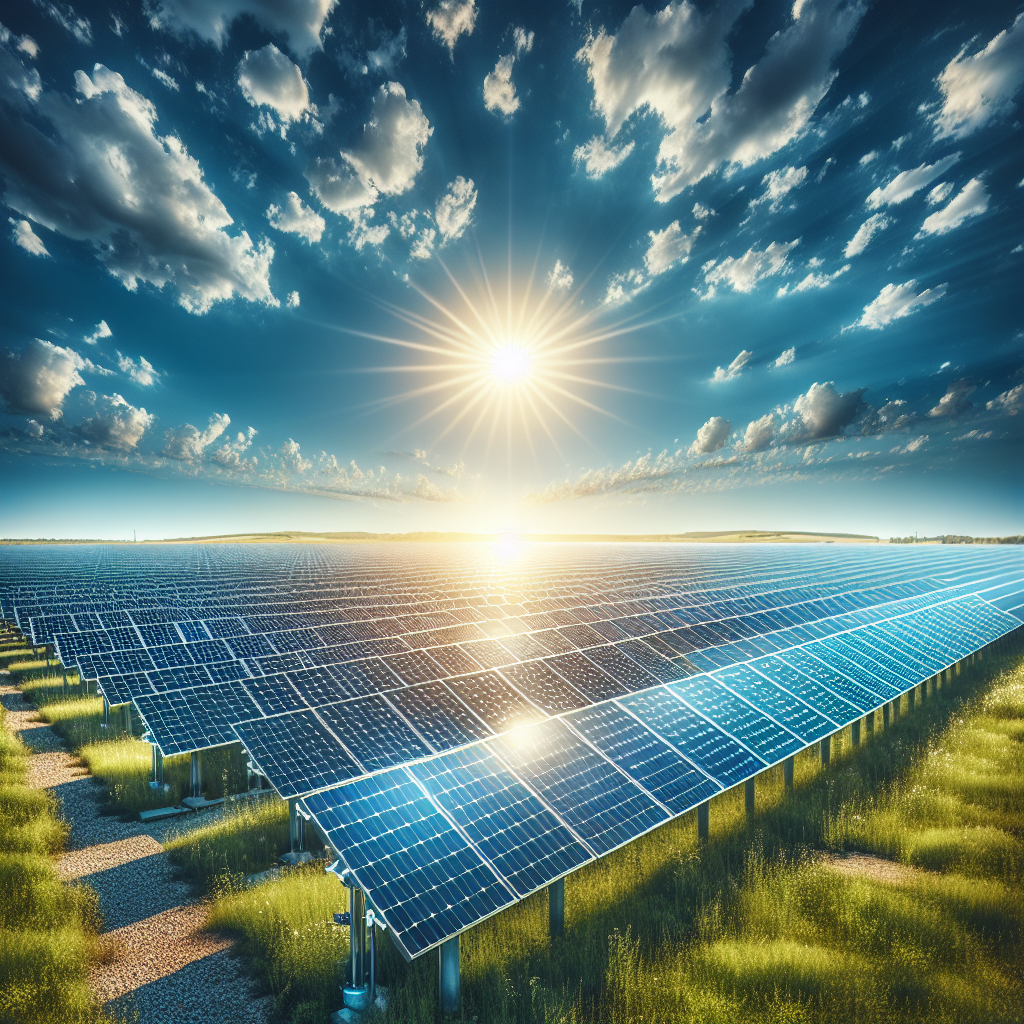
More distant communities in Beni and Pando will receive solar photovoltaic plants and energy storage systems. The investments are intended to reduce the use of diesel in places where transporting fuel is expensive and can leave residents vulnerable to supply disruptions.
Cleaner energy systems could also reduce public spending on diesel purchases for electricity generation, freeing resources while lowering the environmental impact of power supply in isolated parts of Bolivia's Amazon.
The package includes a $142.2 million IDB loan, a $60 million Clean Technology Fund Parallel Fund loan and a $2 million non-reimbursable grant from the Climate Investment Funds. The main IDB loan carries a 23.5-year repayment period with a seven-year grace period, while the Clean Technology Fund loan has a 30-year term and an 8.5-year grace period.


 Google News