

India's Rice Export Surge: Non-Basmati Booms Amid Trade Challenges
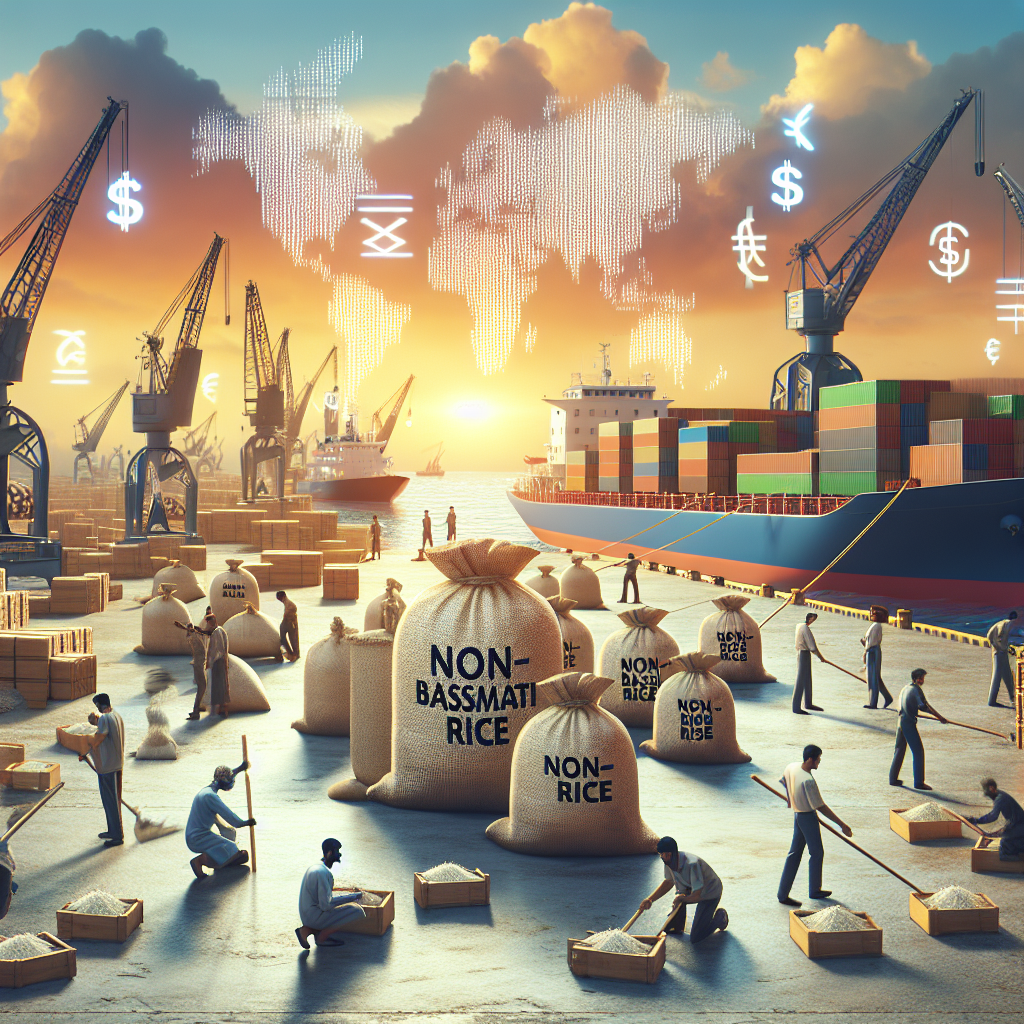
India's rice exports increased by 5% in early 2026, driven by non-basmati demand despite disruptions in basmati trade due to geopolitical tensions. The growth sustains global price stability and ensures affordable supply, buoyed by significant shipments to Africa and Asia. Corn and wheat exports also saw notable surges.
- Country:
- India
In the first half of 2026, India's rice exports witnessed a 5% increase, propelled primarily by the rising demand for non-basmati rice. Higher shipments in this category helped offset a decline in basmati rice exports, resulting from geopolitical tensions that challenged trade with Gulf markets.
Accounting for over 40% of global rice exports, India plays a pivotal role in maintaining stable global rice prices, a crucial factor amid production concerns linked to the El Nino weather pattern. Significant exports to Africa and Asia help keep rice affordable for price-sensitive regions.
Government sources revealed that rice exports rose to 12.27 million metric tons from the previous year's 11.68 million tons between January and June. While basmati exports fell by 5.5%, non-basmati exports soared by 9.6%, largely driven by demand from African countries. Indian rice remains competitively priced in comparison to other major exporters.


 Google News