

Kenyan President Ruto Proposes Budget Fix amidst Protests
Kenyan President William Ruto has proposed spending cuts and additional borrowing to address a $2.7 billion budget deficit. The move follows nationwide protests against planned tax hikes, leading to at least 39 deaths. Ruto’s measures include dissolving state corporations and auditing the country's debt.
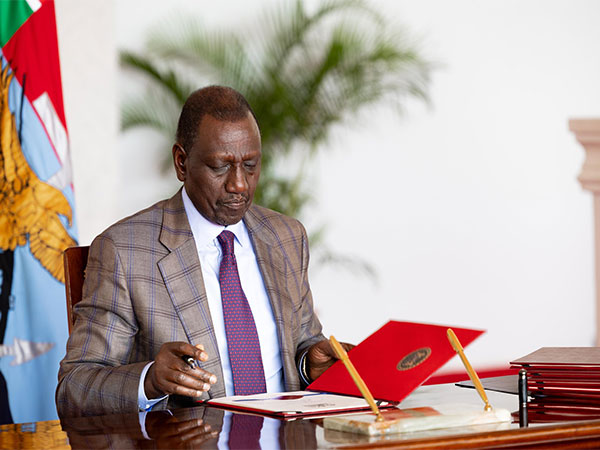
Kenya's President William Ruto on Friday unveiled a two-pronged strategy to address a $2.7 billion budget shortfall, combining spending cuts and increased borrowing.
The budget gap emerged after Ruto retracted planned tax hikes in response to widespread protests that have become the most significant challenge of his presidency.
Ruto announced in a televised address that he would request parliamentary approval for budget cuts amounting to 177 billion shillings ($1.39 billion). Additionally, the government plans to increase its borrowing by about 169 billion shillings. The austerity measures include dissolving 47 state corporations and reducing the number of government advisers by 50%.
Ruto emphasized that these changes, alongside a forensic audit of the country’s debt, aim to set Kenya on a path of economic transformation. This comes as Kenya's projected budget deficit rises, anticipated to hit 4.6% of the GDP for the 2024/25 fiscal year, up from an earlier 3.3% estimate.
In a bid to engage with the nation's youth, Ruto hosted a live audio forum on X, which was marred by technical challenges. Meanwhile, protest leaders have called for a boycott of the forum, demanding Ruto's resignation. They allege that hired thugs have infiltrated the protests to malign the movement, an accusation the government counters by attributing the violence to opportunistic criminals.
As the protests continue with diminished turnout, some activists are considering a strategic shift following clashes that resulted in violence and looting. The economic measures proposed by Ruto appear to be a balancing act between appeasing domestic unrest and satisfying international lenders like the IMF.


 Google News