

Orlando Bloom Urges Global Action as Funding Cuts Threaten Rohingya Children
Speaking after meeting families, teachers, and humanitarian workers in the world’s largest refugee camp, Bloom warned that half a million children’s futures hang in the balance as funding for essential services dwindles.
- Country:
- Bangladesh
UNICEF Goodwill Ambassador Orlando Bloom has issued a powerful appeal to the international community following his four-day visit to Cox's Bazar, Bangladesh, where he witnessed firsthand the devastating impact of severe aid cuts on Rohingya refugee children. Speaking after meeting families, teachers, and humanitarian workers in the world's largest refugee camp, Bloom warned that half a million children's futures hang in the balance as funding for essential services dwindles.
"The children in these camps are 100 per cent dependent on aid, but that aid is sadly shrinking," Bloom said. "I met 14-year-old Aziz who dreams of becoming an engineer so he can build a drone to show the world how much help Rohingya children need. These children need an education in order to have a future."
A Crisis Deepened by Funding Shortfalls
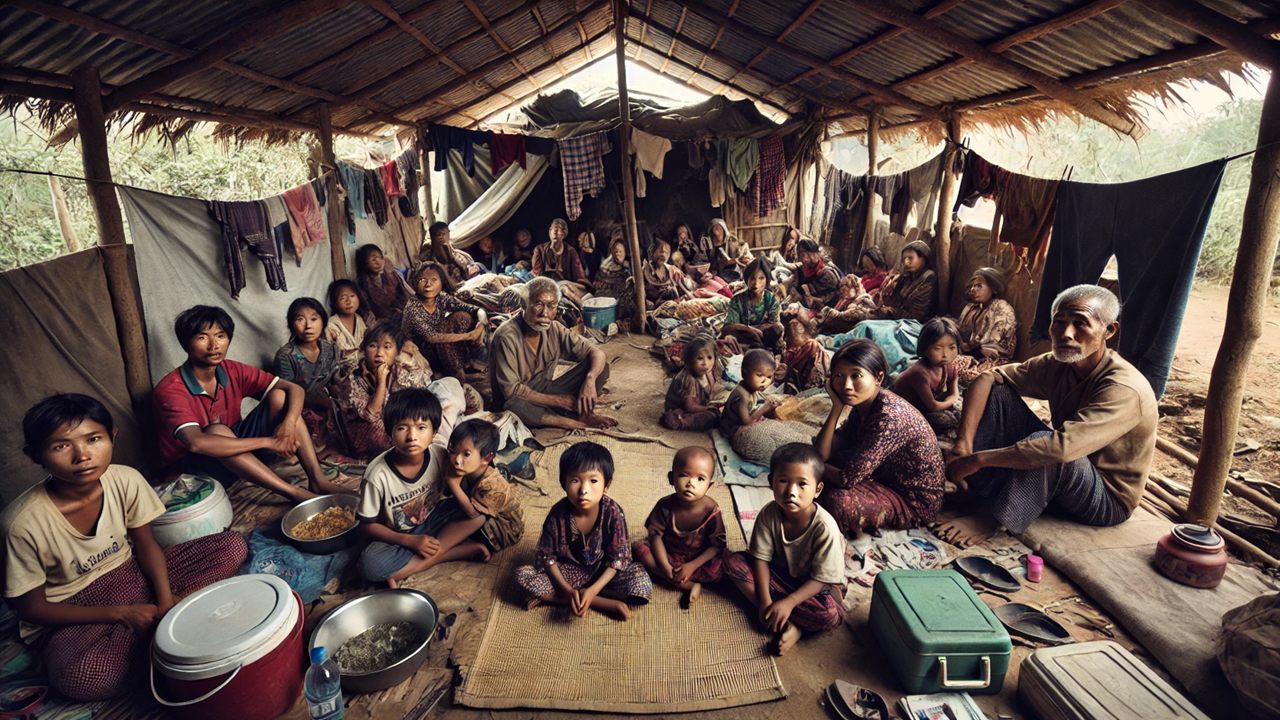
Nearly six years after the Rohingya crisis began, more than 960,000 refugees, including half a million children, remain confined to overcrowded camps in Cox's Bazar. The situation, already precarious, has sharply deteriorated as official development assistance (ODA) declines worldwide.
UNICEF, which leads child protection, health, nutrition, and education efforts in the camps, reports that its funding gap has reached critical levels. Earlier this year, the agency was forced to temporarily close most schools, affecting nearly 150,000 children. Though classes have resumed after emergency fundraising, UNICEF warns that another funding shortfall by early 2026 could shut down all learning centers, leaving more than 300,000 children without access to education.
For Rohingya children, many of whom have lived their entire lives in camps, education is more than learning—it is protection. Schools provide safety from child labor, trafficking, gender-based violence, and recruitment by armed groups.
"Keeping schools open is the only chance for girls to have a future and avoid early marriage," Bloom emphasized after meeting 15-year-old Husna, who dreams of becoming a doctor. "These girls are resilient and determined, but they can't do it without our support."
Health, Nutrition, and WASH Services Under Threat
Beyond education, essential health and nutrition services are also in jeopardy. UNICEF data show an 11% increase in severe acute malnutrition cases among children under five between January and September 2025 compared to the same period in 2024. Mothers struggle to feed their children amid rising food prices, overcrowding, and shrinking aid.
UNICEF operates nutrition centers across the camps, providing lifesaving therapeutic food and treatment, while promoting exclusive breastfeeding and child feeding practices to prevent malnutrition. However, these programs depend on continued international support.
"Without sustained funding beyond 2025, vulnerable mothers and children will lose access to vital health and nutrition services," warned Rana Flowers, UNICEF Representative in Bangladesh. "If current trends continue, over half a million children risk facing lifelong developmental delays, loss of childhood, or death."
UNICEF has also expanded water, sanitation, and hygiene (WASH) programs, reaching over half of the camp population. Despite this, poor sanitation remains a major health hazard. Outbreaks of skin infections such as scabies have surged by 24% in the past year, reflecting deteriorating living conditions.
Growing Risks to Child Safety and Protection
As international funding wanes, protection services have suffered, leaving children increasingly vulnerable to abduction, exploitation, and recruitment by armed groups. In October 2025 alone, more than 400 Rohingya children were reported victims of serious human rights violations — three times higher than during the same period in 2024.
"On top of all the other challenges, insufficient protection services are putting these children at real risk of further abuse and neglect," Bloom said. "I met two children who escaped after being abducted and held by armed groups for months. Their stories are absolutely heartbreaking."
These children, he added, now live with lifelong trauma, illustrating the urgent need for psychosocial support and child protection programs that are currently underfunded.
The Humanitarian Response at a Crossroads
The Rohingya response, once one of the world's largest humanitarian operations, is now at a breaking point. UNICEF and its partners are operating on emergency budgets, often forced to scale back or suspend life-saving programs. This comes as donor governments scale back ODA, with UNICEF forecasting a 20% global drop in income over the next four years.
Despite ongoing efforts to advocate for more funding, the humanitarian situation in Cox's Bazar continues to deteriorate, with education, health, sanitation, and protection systems collapsing under financial strain.
"After eight years of protracted crisis, the scale and speed of funding reductions threaten to create a lost generation," said Flowers. "The ripple effects will touch every aspect of children's lives — less food, fewer health services, and greater exposure to violence."
"A Child Survival Crisis"
Bloom's visit coincided with a renewed global push to keep the Rohingya crisis on the international agenda ahead of the 2025 humanitarian funding review. Speaking after visiting schools, health centers, and shelters, the actor and activist described the conditions as a child survival crisis.
"The situation unfolding in the Rohingya camps is not just a humanitarian issue — it's a child survival crisis," Bloom said. "We urge the international community to step up and support children who need aid now more than ever. They don't deserve to be forgotten — no child does."
A Call for Renewed Global Solidarity
UNICEF is urging donors, governments, and the private sector to recommit to sustained funding, emphasizing that cutting aid now risks undoing years of progress in protecting and empowering Rohingya children.
The agency calls for:
-
Urgent bridging funds to keep all learning centers open beyond 2025.
-
Expanded child protection programs to counter growing risks of trafficking and exploitation.
-
Sustained investments in nutrition and health systems to prevent avoidable deaths.
-
Continued WASH interventions to mitigate disease outbreaks.
Without decisive action, UNICEF warns, the world risks abandoning an entire generation of Rohingya children — children who have already lost their homes, and now face losing their futures.
ALSO READ
-
Lebanon’s Children Cannot Lose More of Their Childhood, UNICEF Chief Urges Action
-
Sudan Shelter Drone Strike Reportedly Kills a Boy and Injures 12 Children
-
Syria’s Returning Children Need Schools, Care and Safe Water to Rebuild Lives
-
Lebanon’s Children Face Hunger, Lost Schooling and Work as Families Reach the Brink
-
UNICEF Praises Jordan’s Progress for Children as Funding Cuts Threaten Vital Services


 Google News