

UNICEF Warns 340 More Schools Hit in Ukraine as War Deepens Education Crisis
UNICEF warns that prolonged reliance on remote education cannot replace the benefits of safe, in-person learning environments.
- Country:
- Ukraine
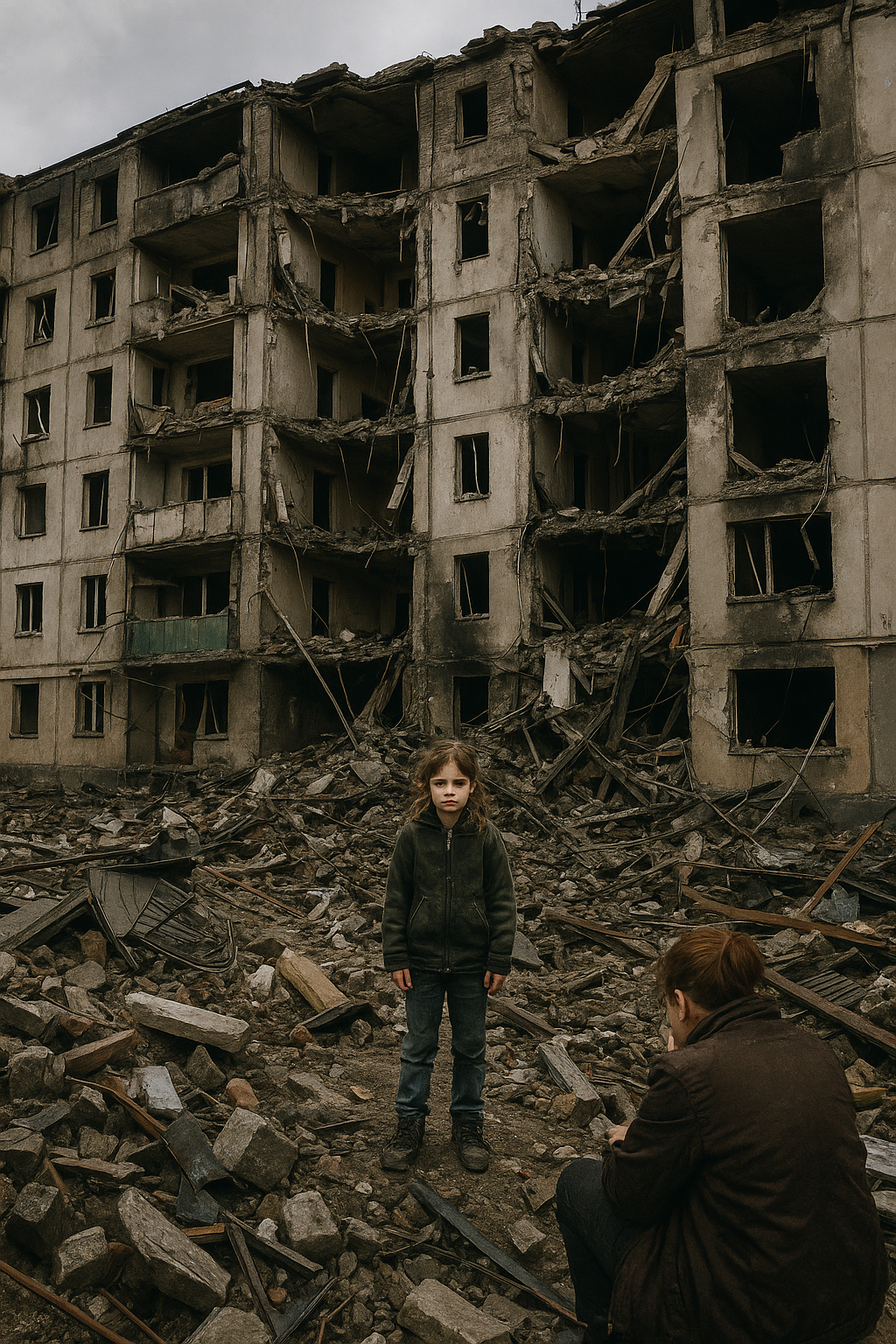
More than 340 educational facilities in Ukraine have been damaged or destroyed in 2025, UNICEF has confirmed, underscoring the worsening impact of the full-scale war on children's safety and their fundamental right to education. The latest figure brings the total number of verified damaged or destroyed schools to 2,800 since February 2022, though UNICEF warns the real number is likely significantly higher due to limited access and ongoing hostilities.
As Russia's invasion continues into its fourth year, Ukrainian children face mounting barriers to learning — from missile strikes and air raid alarms to school closures and deteriorating mental health. UNICEF says the attacks are not only destroying buildings but also tearing apart children's sense of security, stability, and hope.
"Schools must be protected spaces where children can learn safely, even during war. In times of crisis, education provides a lifeline and sense of normalcy to children," said Munir Mammadzade, UNICEF Representative to Ukraine. "Schools are places to learn that also support children's holistic development through socialization with their peers and teachers, as well as enabling access to other social services."
Children Enter a Fourth School Year Under Fire
This school year, 4.6 million children across Ukraine continue to face profound disruption to their education. Many schools, particularly those near the front lines, remain closed due to heavy fighting or the absence of adequate bomb shelters. Nearly 1 million children are currently studying online, forced to replace classroom interactions with remote learning as explosions and air raid sirens echo outside.
Children who rely on online or hybrid learning often struggle with reduced engagement, inconsistent access to stable electricity or internet, and the emotional strain of isolation from friends and teachers. UNICEF warns that prolonged reliance on remote education cannot replace the benefits of safe, in-person learning environments.
Determination Amid Destruction
Despite the relentless obstacles, Ukrainian students continue striving to learn, adapt, and dream of a peaceful future. Mammadzade highlighted their resilience: "Despite the challenges, children in Ukraine are determined to continue learning — whether in school or online, in classrooms or in shelters. They are hopeful for a future where they can achieve their dreams."
UNICEF Expands Support for Children's Learning
UNICEF and its partners—government agencies, local authorities, and international donors—have worked to ensure that more than 500,000 children gain access to inclusive education. This includes:
-
Safe in-person learning spaces, including refurbished schools and shelters
-
Non-formal learning programmes
-
Remedial education to help students recover lost learning
-
Psychosocial support to address trauma and anxiety
-
Provision of learning materials, digital devices, and teacher training
In frontline regions, UNICEF has assisted in setting up rapid-deployment classrooms, modular learning centres, and child-friendly spaces to restore a sense of normalcy even as hostilities continue.
10 Years of the Safe Schools Declaration
This year marks a decade since the adoption of the Safe Schools Declaration, a global pledge by governments to protect education during armed conflict. Ukraine is among more than 100 nations that have endorsed the declaration, committing to prevent the military use of schools, safeguard students and teachers, and maintain access to learning even in wartime.
At the International Conference on the Safe Schools Declaration held in Nairobi on 25–26 November, UNICEF joined governments, youth advocates, and global partners to renew commitments and discuss strategies to strengthen the protection of education in conflict zones.
Protecting Education Is a Global Responsibility
UNICEF stressed that safeguarding schools is not optional — it is a legal and moral obligation under international humanitarian law. Continuing attacks on education not only endanger children's lives but also threaten Ukraine's long-term social and economic recovery.
"Protecting schools and children's right to education is not optional during war; it is imperative."
UNICEF called on international partners to sustain and increase support for Ukraine's education sector, describing it as a "non-negotiable investment in children and in the country's future."
ALSO READ
-
ADB’s $1.3 Billion Mongolia Plan Backs Better Healthcare, Schools and Disaster Readiness
-
Sudan Shelter Drone Strike Reportedly Kills a Boy and Injures 12 Children
-
Syria’s Returning Children Need Schools, Care and Safe Water to Rebuild Lives
-
IDB Sets Out Education Roadmap to Close LAC Learning Gaps
-
Naftogaz Sets Out Cleaner Energy Future With EIB Support and 2050 Net Zero Target


 Google News