

The Journey of Vrindavani Vastra: A Silk Textile's Passage Through Time
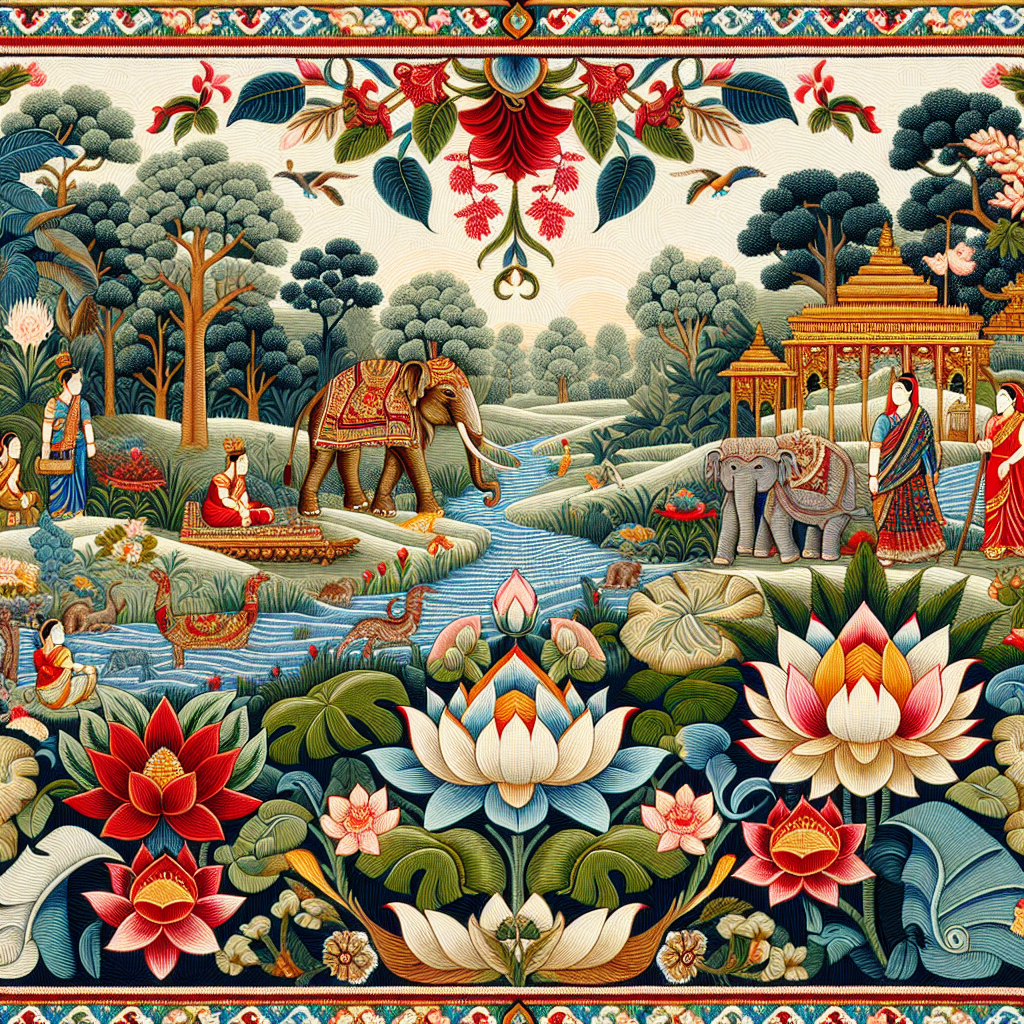
The Vrindavani Vastra, a significant historical textile from Assam, will be loaned to Assam for display in 2027 by the British Museum. Documented by T. Richard Blurton in his book, the textile traces its roots back to the 16th century, having traveled from Assam to Tibet and finally to London.
- Country:
- India
The Vrindavani Vastra, an invaluable devotional textile from Assam, is set to make a historic return for display in 2027, courtesy of a loan agreement by the British Museum. T. Richard Blurton, in his insightful book ‘Krishna in the Garden of Assam’, delves into the textile's dimensions and historical significance, marking it as the largest surviving piece in its category.
Blurton's research traces the textile’s origins to the 16th century, commissioned by Vaishnav saint Srimanta Sankaradeva and requested by Chilarai, brother of Koch king Naranaryan. The extensive work, known for its intricate “lampas” weaving technique, illustrates scenes from Krishna’s life, bringing together art, culture, and devotion.
This silk marvel embarked on an extraordinary journey from Assam to Tibet, finding its place in a monastery before being acquired by a 'The Times' correspondent during the Lhasa Expedition. Blurton's detailed narrative is supported with illustrations that enrich our understanding of its artistry, technique, and cultural significance.


 Google News