

China and Japan Reach Agreement on Fukushima Water Discharge
China and Japan have reached an agreement on the discharge of wastewater from the Fukushima nuclear plant, which may lead to the resumption of Japan's seafood exports to China. Japan will conduct additional monitoring to ensure safety standards, and China will gradually lift its import restrictions.
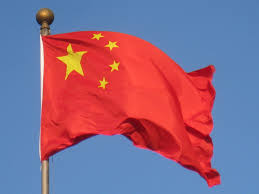
China and Japan have struck a significant agreement over the discharge of wastewater from Fukushima's damaged nuclear plant, paving the way for the potential restart of seafood shipments from Japan to China. The accord follows Beijing's year-long ban citing concerns about radioactive contamination.
Under the new agreement, Japan will implement a long-term international monitoring system and permit independent sampling. Prime Minister Fumio Kishida stated Japan is ready to conduct extra monitoring. In return, China will reevaluate its import restrictions and incrementally allow imports meeting their criteria.
Despite this progress, China's foreign ministry spokesperson, Mao Ning, clarified that the agreement does not indicate an immediate resumption of imports, and consultations will continue. The International Atomic Energy Agency (IAEA) has endorsed the agreement, acknowledging it as a positive step forward.


 Google News