

Innovative 'Artificial Rain' Strategy Tackles Gurugram's Pollution
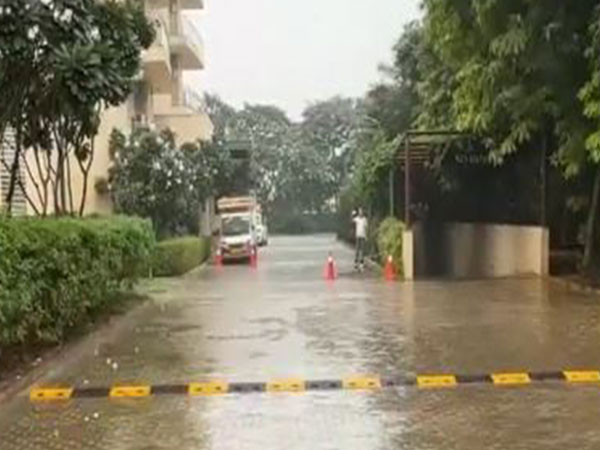
In Gurugram, artificial rain using sprinklers from high-rise towers is being implemented to combat air pollution. This initiative, led by the Resident Welfare Association of DLF Primus Society, highlights the importance of community involvement and complements government measures to manage pollution and control stubble burning.
- Country:
- India
In a bid to address the escalating problem of air pollution, an innovative 'artificial rain' initiative was carried out using sprinklers from a high-rise building in Gurugram's DLF Primus Society. This effort by the Resident Welfare Association is aimed at mitigating pollution levels in the region.
Achal Yadav, the President of the Resident Welfare Association, explained the strategy of using the fire lines of the society's 32-storeyed towers to create artificial rain. He emphasized the necessity for community participation, noting, "If air quality deteriorates, we're prepared to conduct this daily, alongside other measures like carpooling." He also stressed that combating pollution is a collaborative effort, not solely the government's responsibility.
Simultaneously, the Central government has announced amendments to the Commission for Air Quality Management rules, targeting stubble burning—a significant pollution source. New regulations impose environmental compensation fees on farmers based on land acreage to curtail the practice. This comes amid surging Air Quality Index levels surpassing 400 in the national capital, indicating severe pollution.


 Google News