

Tensions Rise Over Panama Canal: U.S. and China's Strategic Tug-of-War
The Panama Canal's role as a strategic waterway faces scrutiny as U.S. lawmakers argue for its control under an old treaty, citing security concerns from China's presence. Despite the U.S. claims, Panama asserts its sovereignty. The canal's toll system, operated by Panama since 1999, remains a point of contention.
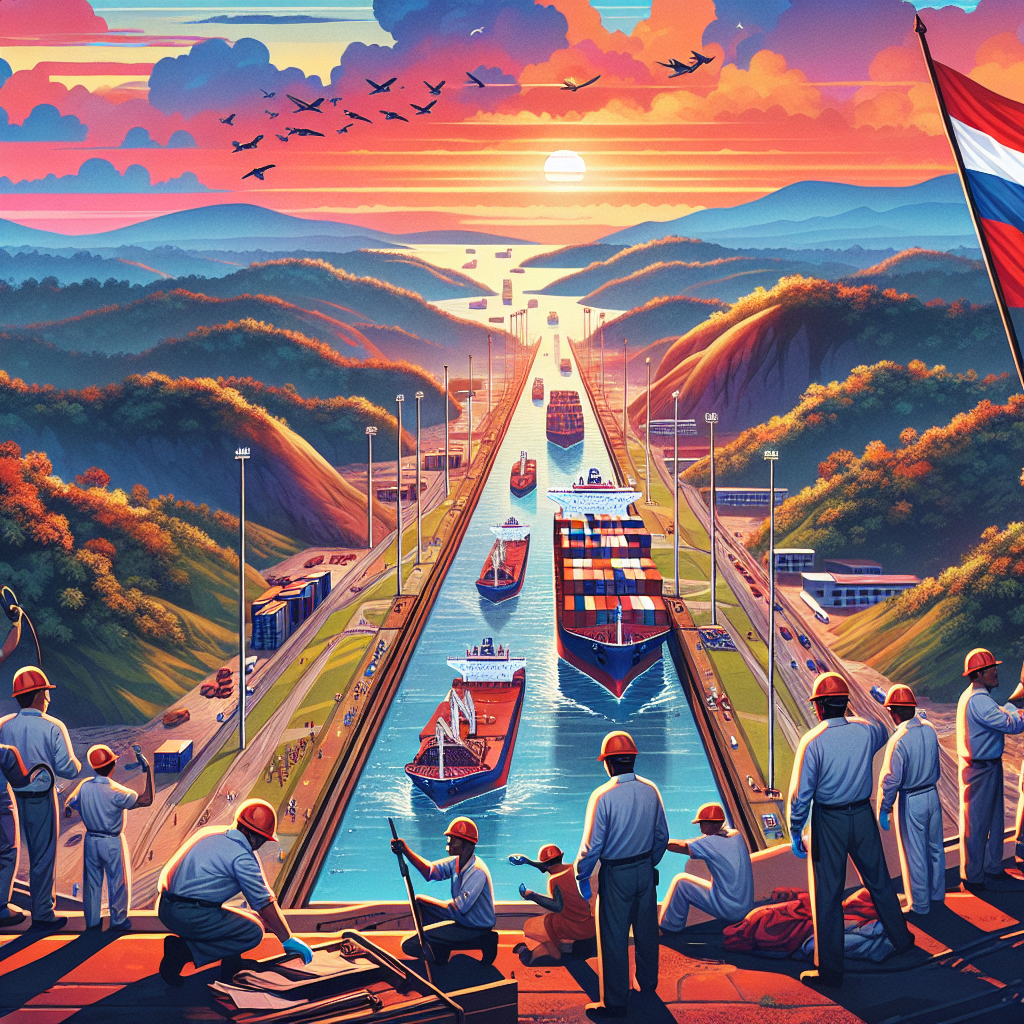
The Panama Canal has become a focal point of geopolitical contention as U.S. lawmakers and officials seek to justify reasserting control over the strategic waterway, under a nearly fifty-year-old treaty. They cite security threats from China's presence as justification.
Nevertheless, there are significant challenges to using the 1977 Panama Canal Neutrality Treaty, which ensures the canal's neutrality and accessibility to ships worldwide. Since its handover to Panama in 1999, the canal has been managed by the Panama Canal Authority, a local government agency.
President Donald Trump, during his inauguration, expressed intentions to regain control of the canal, inaccurately asserting Chinese management. The canal's revenue system, which recently saw toll hikes, is criticized by U.S. officials who claim it unfairly impacts American vessels, highlighting its essential role in international trade.


 Google News