

EU Green Tariff Impacts Coal-Dependent Western Balkans
The impending EU carbon border adjustment mechanism (CBAM) could economically impact Western Balkan countries reliant on coal power. As the region seeks exemptions, the transition to clean energy is crucial. Serbia, Bosnia, and others face financial challenges and need major investments to meet EU emission standards.
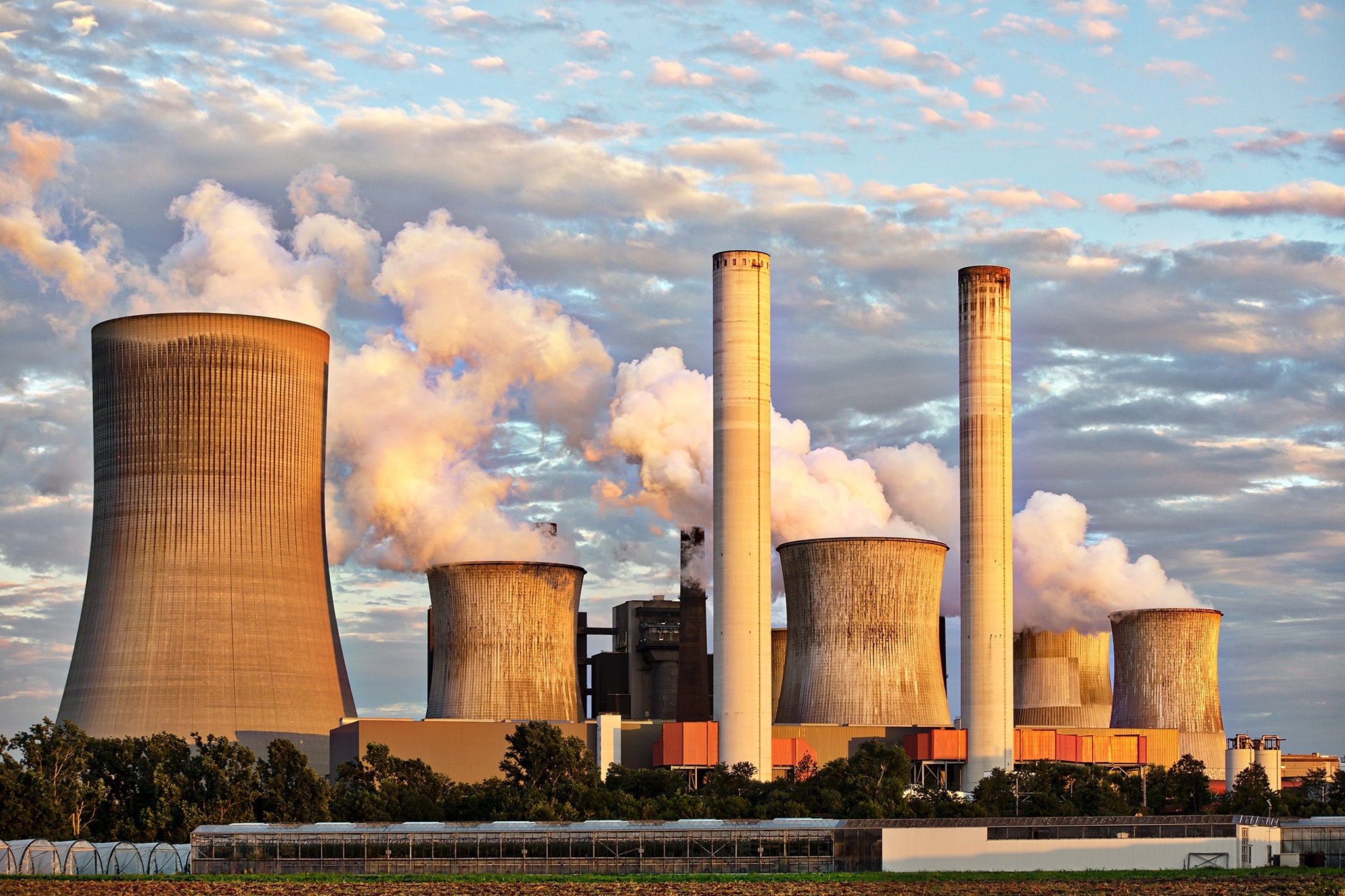
The European Union's imminent carbon border adjustment mechanism (CBAM) could spell economic trouble for the Western Balkans, where coal power dominates electricity production and exports. The region must grapple with the financial impact as it adjusts to new eco-tariffs targeting high-carbon imports.
With coal accounting for 60% to 95% of their electricity production, Balkan nations, including Bosnia and Herzegovina, Serbia, and Montenegro, are under pressure to transition to clean energy. However, efforts have been stalled by limited investments and government subsidies for coal plants, raising concerns over compliance with EU standards.
Analysts warn of substantial economic and social costs associated with the transition, estimating it at 40 billion euros. While the EU offers some financial aid, regional governments must also drive change, as exemptions come with conditions. The Balkans' path to EU integration hinges on successful energy reforms.


 Google News