

India's Zero-Tolerance Stance on Terrorism: A Decade of Resolute Action
Union Home Minister Amit Shah asserts that under PM Narendra Modi, India has maintained a zero-tolerance policy against terrorism since 2014. Highlighting challenges in Jammu, Kashmir, the Northeast, and left-wing extremism, Shah outlines significant steps like the removal of Article 370 and military countermeasures to enhance national security.
- Country:
- India
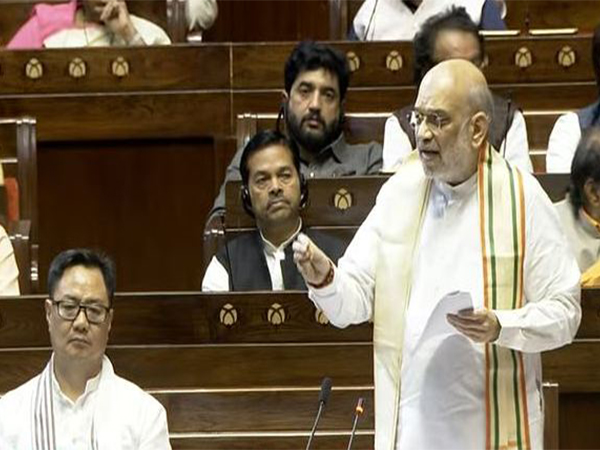
In a bold statement, Union Home Minister Amit Shah emphasized the BJP-led government's unwavering stance against terrorism since Prime Minister Narendra Modi took charge in 2014. Addressing the Ministry of Home Affairs' operations, Shah highlighted major security challenges, including terrorism in Jammu and Kashmir, Northeastern insurgencies, and left-wing extremism.
Shah criticized former governments for their lax approaches to terrorism, particularly in Kashmir, praising the Modi administration for adopting a strategic, zero-tolerance policy. Notable military responses, such as the 2016 surgical strike and the 2019 Balakot airstrike, showcased this rigorous stance.
Shah also underscored the historic removal of Article 370, which he credited with fostering peace and democracy in Jammu and Kashmir for the first time. He noted the surge in tourism and significant investment in the region while addressing the evolving nature of crime that transcends state boundaries.
ALSO READ
-
KISS Students Unite for PM Modi's Birthday: Celebrating a Visionary's Impact
-
Maharashtra Lights Up for PM Modi's Birthday: A National Celebration
-
Governors Forge Strong Ties in Mutual State Visit
-
PM Modi Acknowledges President Murmu's Birthday Wishes, Emphasizes Nation-Building Goals
-
Debate Intensifies Over UPI Transactions: Politics vs Policy


 Google News