

India's Battery Waste Revolution: Addressing EV Recycling Through New Regulations
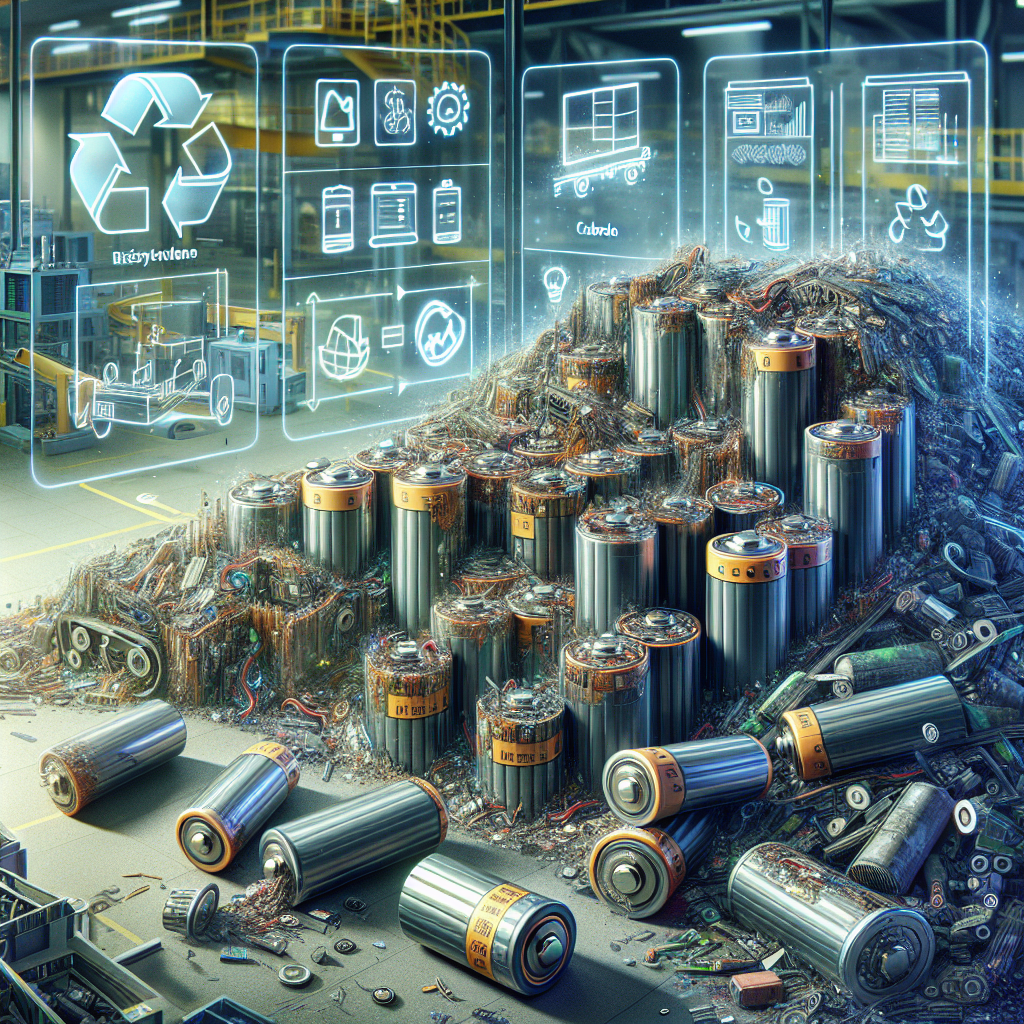
India has collected over 2,570 metric tonnes of lithium-ion waste batteries from EVs in three years. The government introduced the Battery Waste Management Rules in 2022, enforcing Extended Producer Responsibility. A centralized portal aids in the management of these responsibilities by recycling, refurbishing, and tracking waste battery disposal.
- Country:
- India
India's environment ministry reported a collection of 2,570.26 metric tonnes of lithium-ion waste batteries from electric vehicles over the past three years. This statistic was revealed by Union Minister of State for Environment Kirti Vardhan Singh in the Rajya Sabha, responding to inquiries from Congress MP Renuka Chowdhury.
However, the Minister did not provide details on the total lithium-ion battery waste generated from EVs. Notably, the country produced 4,988,672 metric tonnes of electronic waste between 2021 and 2023, exhibiting a significant environmental challenge if not managed properly.
To address this issue, the government implemented the Battery Waste Management Rules in August 2022. These regulations, which apply to all battery types, stipulate that producers adhere to Extended Producer Responsibility (EPR) conditions. The rules require that waste batteries be collected, recycled or refurbished, with landfilling or incineration strictly prohibited.
ALSO READ
-
Cleaner Kitchens, Polluted Skies: Hidden Health Cost of India’s Electricity Boom
-
Japan-Backed ILO Projects Help 23,000 Workers Gain Rights and Fight Child Labour
-
India's Delicate Balancing Act: Navigating Energy Security Amid Middle Eastern Tensions
-
India Gears Up for Glory: Asian Games 2026 Preview
-
India Defends Energy Policy Amidst Rising Tariff Threats from U.S.


 Google News