

BRICS Summit: A New Era for Multilateral Diplomacy
At the BRICS summit, leaders condemned attacks on Iran, Gaza, and Kashmir, emphasizing the bloc's role in global diplomacy. With rising protectionism and the U.S.'s 'America First' policies, BRICS seeks to expand diplomatic influence, urging reform in global institutions and stressing climate action.
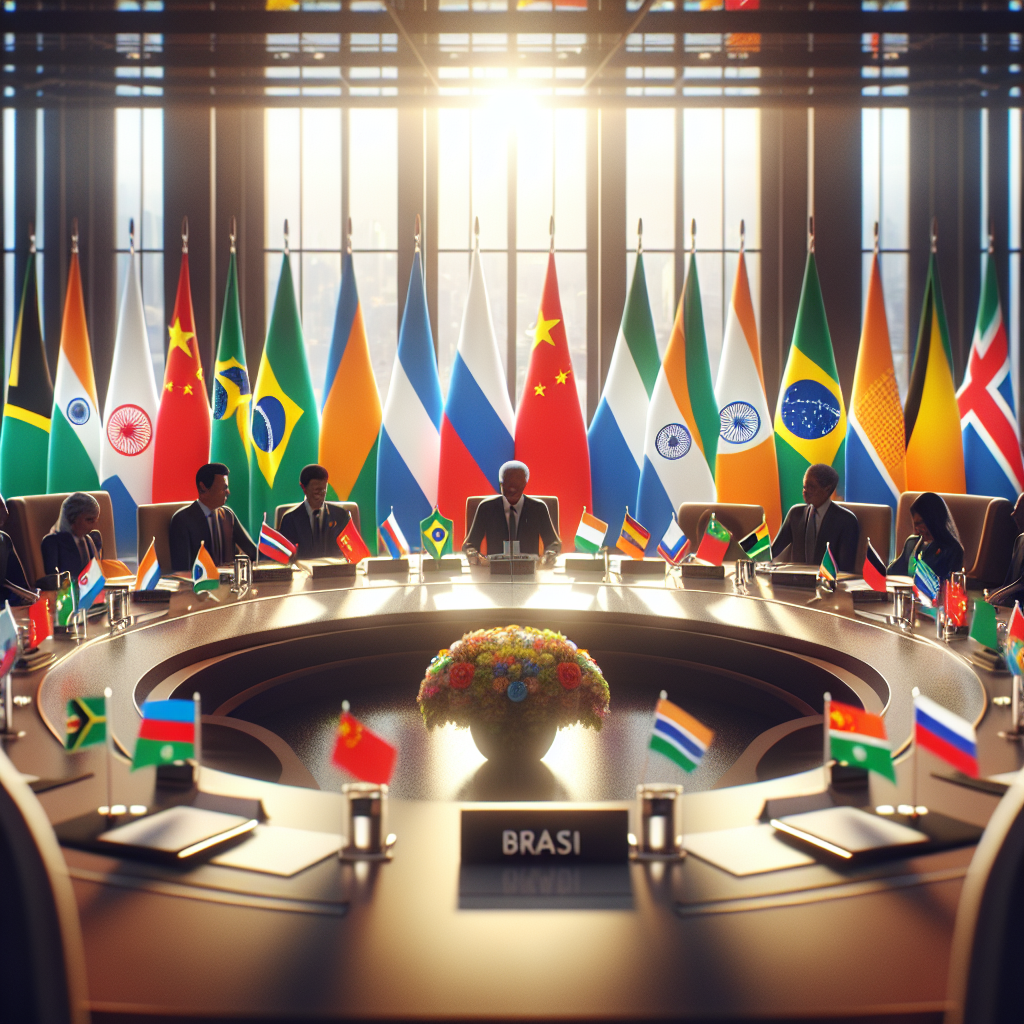
The BRICS group, a coalition of developing nations, has made a strong statement at their summit by condemning military strikes on Iran, Gaza, and Kashmir. These actions underscore the bloc's ambition to strengthen multilateral diplomacy amid a global backdrop swayed by divisive policies, notably from the U.S.
As President Lula likened BRICS to the Cold War's Non-Aligned Movement, he depicted the bloc as a modern-day counterpart, advocating for a unified stance against rising protectionism. With over half the world's population and 40% of its economic output, BRICS presents a significant diplomatic alternative.
The summit, attended by leaders from India, South Africa, and others, aims to elevate developing nations' voices on the global stage. By calling for reforms in institutions like the UN and IMF, BRICS targets the recalibration of international governance to reflect the evolving multipolar world.
ALSO READ
-
Prospects of a New Summit: South Korean Optimism Amid Uncertainty
-
High-Stakes Diplomatic Dance: Trump and Xi's Crucial Summit
-
Trump and Xi Set for High-Stakes Summit: Trade, Taiwan, and Technology in Focus
-
US Tariff Announcement Delay Amidst Xi-Trump Summit
-
India Advocates Social Justice at Global Forum 2026


 Google News