

Trump's Tariff Tango: A Chronicled Clash with China
The tumultuous US-China trade war under President Donald Trump's administration saw extensive tariff impositions, targeting imports and exports with a focus on curbing the flow of fentanyl and balancing trade. Retaliatory measures by China intensified the conflict, culminating in periodic truces and negotiations to ease economic tensions.
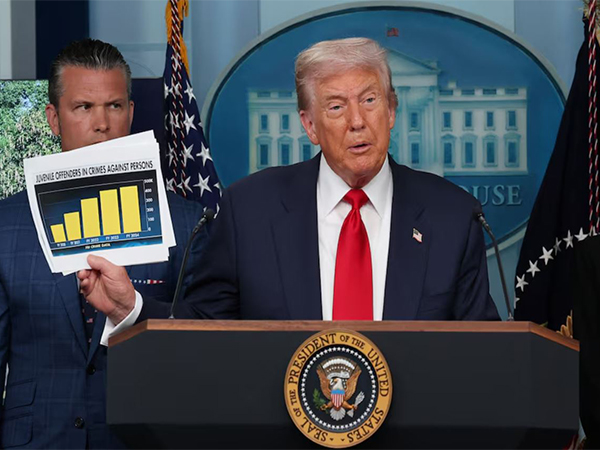
In a bid to reshape international trade dynamics, U.S. President Donald Trump aggressively targeted China with sweeping tariff orders. His aim was to narrow the trade deficit and curb the fentanyl trade, setting off a chain of economic actions and counteractions between the two powerful nations.
The trading skirmishes began almost immediately after Trump assumed office, with threats and subsequent imposition of tariffs, regarding both Chinese and regional imports. China's retaliation was both swift and strategic, targeting key U.S. industries and leading to a roller coaster of negotiations and escalating tensions.
Periods of intense diplomatic dialogues frequently paused the trade war, offering temporary economic relief. However, each truce was fragile, repeatedly tested by unilateral tariff hikes, regulatory restrictions, and allegations of breaches, leaving a turbulent legacy in the realm of global trade.


 Google News