

Mozambique's Electrification Surge: Powering Progress and Hope
Mozambique aims to electrify its population through renewable projects, including the Mphanda Nkuwa hydroelectric plant. Despite economic challenges, initiatives are fostering economic growth and job creation. Challenges remain across Africa, with Mozambique showcasing potential benefits from energy investments, drawing global attention and partnerships for sustainable development.
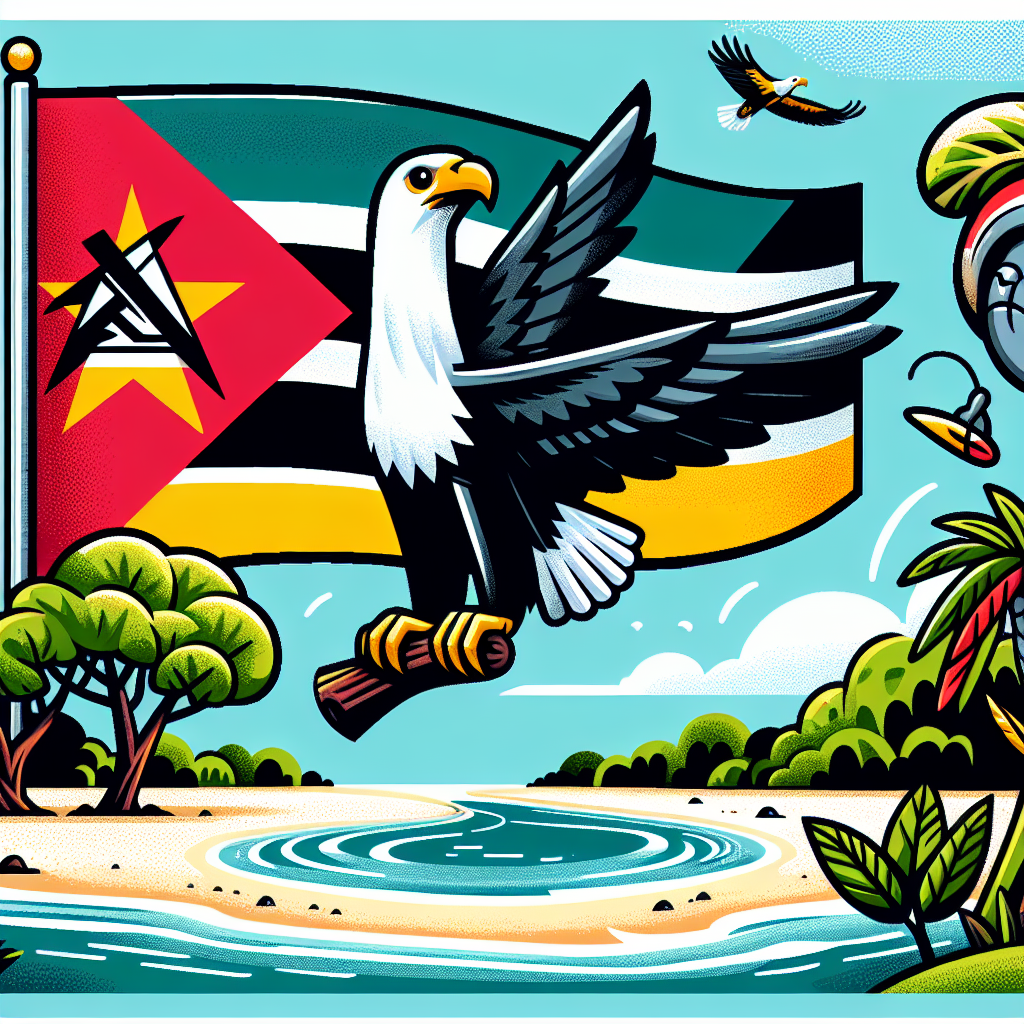
Mozambique is making strides towards a fully electrified nation, with significant investments in renewable energy projects like the Mphanda Nkuwa hydroelectric plant. This transformation is propelling economic growth and creating job opportunities in one of the world’s poorest countries by per capita income.
The World Bank is playing a key role in these initiatives, offering financing and support to projects aimed at increasing access to sustainable energy across sub-Saharan Africa. These efforts are critical as 85% of the global population living without power resides in this region.
Energy resource development holds immense potential for Mozambique. However, challenges such as economic instability and dependency on large-scale projects persist. The focus remains on achieving comprehensive electricity coverage by 2030, primarily via renewable sources like hydro, solar, and gas.


 Google News